

Getting a quote to transport your vehicle across the United States may seem straightforward until you start comparing prices. One company offers a low total, another highlights a cheaper per-mile figure, and a third provides a quote that looks attractive until additional details emerge. For someone shipping a car for the first time, these differences can make it difficult to identify a reasonable deal.
Understanding auto shipping rates per mile is a useful starting point, but the number alone does not tell the whole story. The route, vehicle size, pickup location, delivery requirements, and carrier availability all influence the final price. Avoiding a few common mistakes can help you compare offers more confidently and reduce the risk of unexpected costs.
Mistake 1: Treating the Per-Mile Figure as the Final Price
A per-mile rate helps you understand transportation pricing, but it should not be treated as a complete quote. For example, a 1,000-mile shipment priced at $1.00 per mile would produce a simple estimate of $1,000. However, actual transport quotes may not follow a fixed multiplication formula.
Carriers consider the overall trip, including route demand, loading arrangements, operating expenses, and available trailer space. Short shipments may also have a higher per-mile rate than longer journeys because certain transportation costs remain even when the distance is relatively small.
The smarter approach: Compare the complete quoted amount for your specific shipment. Use the per-mile figure as a reference, not as the only measure of affordability.
Mistake 2: Comparing Quotes Without Matching the Details
Imagine receiving two quotes for moving a sedan from Dallas, Texas, to Atlanta, Georgia. The first quote includes open transport with flexible pickup dates. The second covers enclosed transport with a narrower pickup window. Comparing their prices as if they offered identical services would be misleading.
Differences in vehicle dimensions, operating condition, transport method, pickup location, and delivery arrangements can change the amount quoted. Even small details, such as whether the vehicle runs, may affect loading requirements and carrier options.
When reviewing auto shipping rates per mile, make sure each provider is pricing the same vehicle, route, service type, and approximate shipping dates.
Ask whether the quoted amount includes the services you requested and whether any conditions could change the price. A clear comparison is more useful than a spreadsheet filled with figures that describe different services.
Mistake 3: Choosing the Cheapest Offer Without Asking Questions
A low quote naturally attracts attention, especially when moving expenses are already adding up. However, the lowest initial number is not automatically the best value.
Before committing, clarify how the quote works, what services it covers, and whether it is subject to change. Ask about the pickup window, payment terms, cancellation policy, and how carrier arrangements are confirmed. If a provider cannot explain its pricing clearly, consider that a reason to investigate further.
Be particularly careful with vague promises about immediate pickup or unusually low prices that are not supported by clear shipment details. Carrier availability and market conditions can affect scheduling, so a realistic explanation is more valuable than an impressive headline figure.
A dependable transport arrangement should give you a clear understanding of the expected service, not leave you guessing about the next step.
Mistake 4: Forgetting That Your Pickup ZIP Code Matters
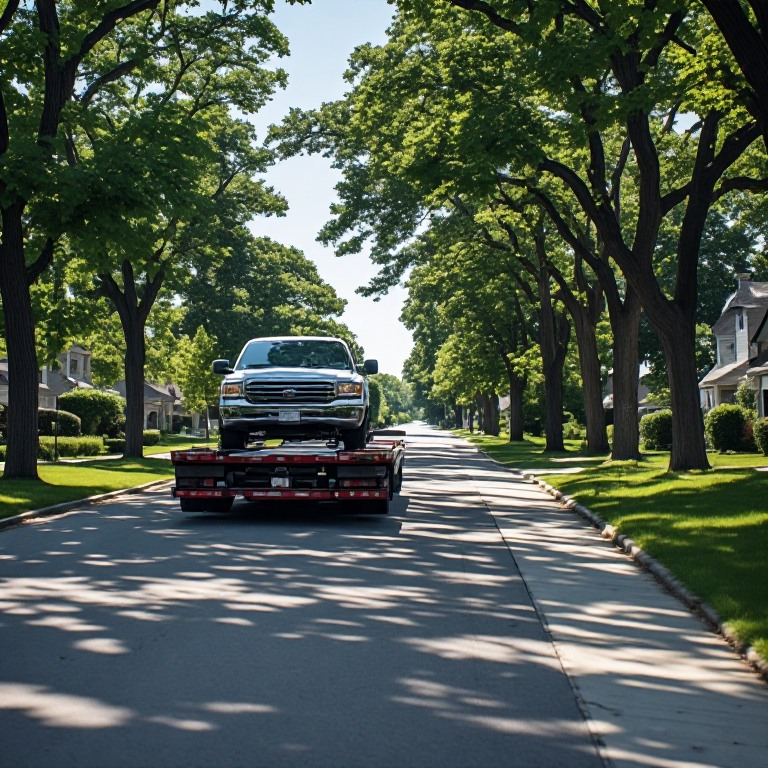
A shipment does not begin and end at two points on a map alone. Transport trucks need practical access to pickup and delivery locations, and not every residential street is suitable for a large carrier.
A pickup from a busy neighborhood in Philadelphia may require different arrangements from one in a rural Pennsylvania town. Remote locations, restricted roads, low-clearance structures, and difficult access can affect logistics and sometimes the price.
Provide accurate ZIP codes or street addresses when requesting a quote. Mention gated entrances, apartment complexes, narrow roads, or other restrictions before booking. If a large truck cannot reach your property, ask whether a nearby parking lot or another safe meeting point would work.
Accurate location information helps providers assess the shipment rather than relying on an estimate based on incomplete details.
Mistake 5: Booking at the Last Minute
Waiting until a few days before a move can limit your choices. If you need a vehicle transported during a busy relocation period, you may have fewer pickup options than someone who starts planning earlier.
Seasonal travel can also influence demand. For example, drivers arranging shipments between northern states and Florida during snowbird season may be competing for carrier capacity along popular routes.
Booking early does not guarantee the lowest price, but it gives you more time to compare quotes, discuss pickup flexibility, and organize your schedule. If your dates are flexible, ask whether a broader pickup window offers additional options.
Mistake 6: Ignoring Open and Enclosed Transport Differences
The transport method should match the vehicle and your priorities. Open carriers are commonly used for everyday cars, sedans, and SUVs. Enclosed carriers provide a covered environment and may be more appropriate for classic, luxury, exotic, or collectible vehicles.
Enclosed shipping generally costs more, so comparing its per-mile figure directly with an open carrier’s rate may lead to the wrong conclusion. The more expensive option may provide protection that matters for a specialty vehicle, while open transport may be a practical choice for a standard daily driver.
Consider the vehicle’s value, condition, and protection requirements before choosing based on price alone.
Get a Quote That Reflects Your Actual Shipment
The best way to avoid pricing surprises is to provide complete information before requesting an estimate. Share your vehicle’s make and model, pickup and delivery locations, operating condition, preferred dates, and transport preference.
Rapid Auto Shipping offers vehicle transportation options across the United States, including open and enclosed transport and door-to-door service where access permits. Customers can request a free instant quote and discuss the details of their shipment before making a decision.
Frequently Asked Questions
1. What are auto shipping rates per mile?
They represent the estimated transportation cost for each mile of a vehicle shipment. The figure varies by route, distance, vehicle, transport type, and market conditions.
2. Does a longer shipment always cost more per mile?
No. Longer routes may have lower per-mile rates because certain costs are spread across more miles. However, the total shipment price is usually higher because the vehicle travels farther.
3. Why do different companies quote different prices for the same route?
Providers may have different carrier availability, service arrangements, scheduling options, and pricing structures. Compare the same shipment details and clarify what each quote includes.
4. Is the cheapest auto shipping quote the best option?
Not necessarily. Review the service terms, pickup expectations, payment conditions, and carrier arrangements before deciding. A clear and realistic quote is preferable to a low figure with unanswered questions.
5. How can I get a more accurate car shipping estimate?
Provide accurate pickup and delivery ZIP codes, vehicle details, its running condition, preferred dates, and whether you want open or enclosed transport.
