

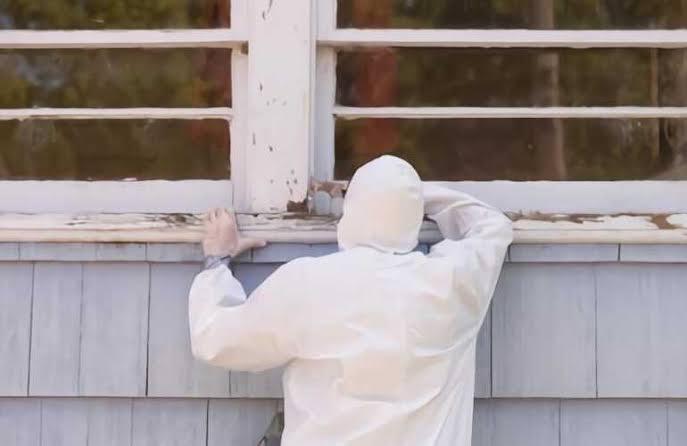
A burst supply line in a 1965 ranch gives you two problems at once. The first is obvious: wet flooring, saturated drywall, and a drying timeline. The second appears the moment demolition starts, because in a home built before 1978, most of the painted surfaces that have to come out may contain lead. That is the point where a routine water loss becomes a job that needs lead remediation Simpsonville before repairs can move forward.
How Water Damage Repairs Release Lead Dust
Structural drying is not a matter of aiming fans at a wet floor. Water moves into wall cavities within hours, and reaching that moisture means pulling baseboards and quarter rounds, cutting drywall above the water line, removing window and door casing, and lifting flooring along with the underlayment beneath it. In an older Simpsonville home, every one of those materials carries decades of paint layers, and cutting, prying, or sanding them creates dust.
That dust is the hazard, not the paint itself. Intact paint on a wall poses limited risk. The danger comes from the fine particles released when a painted surface is broken, and they settle into carpet, upholstery, and floor gaps where ordinary cleaning will not reach them. Young children are the most affected because of normal hand to mouth contact, and pets carry residue into the rest of the house.
Why Lead Testing Has to Happen Before Demolition
The right order protects your household and your timeline. Assessment of lead-containing materials comes before demolition, so the work area is sealed before anything is cut. Containment is built, negative air pressure and HEPA filtration are established, and lead removal in Simpsonville proceeds under controlled conditions. Only then does structural drying continue and reconstruction begin. Reverse that sequence and the property has to be cleaned twice while the drying equipment comes back out, which adds weeks to a job that did not need them.
In practice, that sequence looks like this:
- Assessment of painted surfaces scheduled for disturbance or removal
- Sealed containment of the work area and protection of adjoining rooms
- Wet methods and tools that capture dust at the source
- HEPA vacuuming and detailed cleaning of every surface in the zone
- Bagged, labeled disposal of contaminated materials
- Clearance testing before the space returns to normal use
Each step gets documented, which matters for your property records and for anyone who buys the home later.
Remediation and Removal Are Not Identical
Removal takes the hazardous material out. Remediation is the broader process of controlling the hazard, which may mean removal for some surfaces and encapsulation for others. Trim, sashes, and railings that see friction generally need to come out, because they will keep producing dust. Sound wall surfaces can often be sealed instead.
Why Starting Demolition Yourself Backfires
Pulling wet baseboard off while you wait for a return call is understandable and also the riskiest moment in the process. A circular saw through painted trim, a heat gun on a stuck window, or a shop vacuum without HEPA filtration will distribute lead dust through your house efficiently. Once that happens, the cleanup extends far beyond the rooms that were originally wet.
Rental Properties and Documentation
Landlords carry added responsibility here, since tenants return to conditions you authorized. Clearance testing is the record that the unit was returned to a safe state. Whether you own or rent, keep the written reports.
Timing helps here too. If you own a pre-1978 property, testing painted surfaces during a calm week is far easier than testing at midnight with water still on the floor, and it removes an entire step from the response when something does fail.
Insurance Realities
Coverage depends on your policy and on how the damage is documented. A qualified team records moisture readings, photographs conditions before and after, and produces written reports describing the materials involved and the controls required. Those go to the adjuster assigned to your claim, who determines what the policy covers. A restoration team cannot negotiate or settle that claim for you, but clear documentation of why containment was necessary gives the adjuster an accurate picture.
The Practical Summary
Water damage in an older home is rarely only water damage. Once demolition reaches painted trim, drywall, or casing installed before 1978, lead remediation in Simpsonville becomes part of the scope rather than an optional extra. Raising lead removal Simpsonville on the first phone call, instead of after demolition has already started, consistently produces shorter timelines and cleaner results.
