

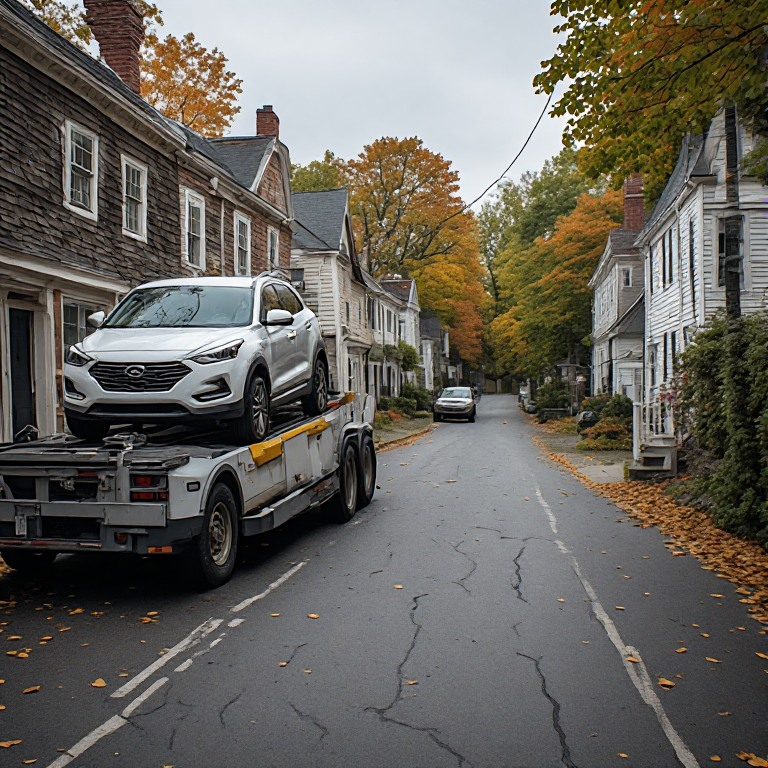
Choosing a company to move your vehicle across the United States is not simply a matter of finding the lowest number on a quote. Different carriers and brokers may offer different transportation methods, pickup arrangements, communication practices, and service options.
That matters when you’re moving a family car from Florida to Pennsylvania, purchasing a vehicle from Texas, or relocating from California to another state.
When comparing car shipping companies in USA, the goal should be to understand what each option actually includes and whether it fits your particular vehicle and route.
Start With the Vehicle Sitting in Your Driveway
Before comparing companies, look at the vehicle itself.
A standard sedan doesn’t necessarily need the same transportation arrangement as a restored classic, luxury SUV, or modified sports car. Vehicle dimensions, operating condition, ground clearance, and overall value can affect which transportation option makes sense.
Ask yourself:
- Does the vehicle run normally?
- Is it oversized or modified?
- Does it have very low ground clearance?
- Is it a classic, exotic, or collectible?
- Are there accessories that need special attention?
Giving accurate information from the beginning allows transportation companies to build a quote around the actual shipment rather than an incomplete description.
Don’t Compare Quotes Until You Compare Services
A quote is useful, but the number alone doesn’t tell the whole story.
Imagine two companies quote transportation for the same route. One may be offering standard open transport while the other is providing enclosed transportation. One may have flexible pickup timing while another is working around a specific schedule.
The figures may look different because the services aren’t identical.
When reviewing quotes, check what is included and ask about:
- Transportation type
- Pickup and delivery arrangements
- Estimated transit timeframe
- Vehicle condition requirements
- Insurance information
- Communication during transit
- Additional requirements for difficult locations
A lower quote isn’t automatically a better fit if it doesn’t provide what your shipment requires.
Open Trailer or Enclosed Carrier?
This is one of the most important differences between vehicle transport options.
Open transport carries vehicles on an open trailer and is commonly used for everyday cars, trucks, and SUVs. It is widely available for routes throughout the country.
Enclosed transport places vehicles inside a covered trailer. It is often considered for luxury, exotic, classic, collector, and specialty vehicles where owners want additional protection from outdoor exposure during transportation.
Neither option is universally necessary. The right choice depends on the vehicle, route, budget, and owner’s priorities.
Look at the Pickup Location From a Carrier’s Perspective
Your home address may be easy for a passenger car to reach but difficult for a large vehicle carrier.
Narrow residential streets, low-hanging branches, tight turns, apartment complexes, parking garages, gated communities, and crowded downtown areas can create access problems.
Ask how the company handles locations where a large carrier cannot safely reach the requested address.
Sometimes the practical solution is a nearby accessible meeting point. Planning this before pickup day can prevent unnecessary delays.
A Company Should Be Able to Explain the Inspection Process
Vehicle condition documentation is an important part of transportation.
Before loading, the vehicle is inspected and its existing exterior condition should be documented. Owners should also take their own photographs of scratches, dents, chips, or other visible marks.
Pay particular attention to:
- Bumpers
- Doors
- Wheels
- Mirrors
- Windshield and windows
- Existing paint damage
Good documentation gives both the customer and transportation provider a clear reference point.
Ask How You’ll Hear From the Company After Pickup
Once your vehicle leaves, you may naturally want to know where it is and when it should arrive.
That’s why communication should be part of your comparison.
Ask whether the company provides shipment updates, who handles customer communication, and how delivery timing is confirmed.
Rapid Auto Shipping provides real-time updates to help customers stay informed during transportation.
This becomes particularly useful when you’re coordinating a move, arranging a flight, starting a new job, or having another person receive the vehicle.
Watch for the Details Hidden Between the Lines
Before booking, read the quote and transportation terms carefully.
Look for information about scheduling, pickup and delivery expectations, vehicle condition, payment arrangements, and circumstances that could affect the final transportation plan.
Don’t hesitate to ask questions if something is unclear.
For example, if your vehicle doesn’t run, say so. If you need enclosed transportation, specify it. If you’re working with a strict delivery schedule, explain that before the shipment is arranged.
Clear communication early is easier than trying to correct missing information after pickup.
Your Route Can Change the Practical Choice
Vehicle transportation is not identical across every part of the USA.
A shipment between major cities may have different carrier availability from transportation involving a rural pickup location. Seasonal traffic can also affect certain routes.
Consider a customer moving from New York to Florida during the winter. That shipment may coincide with increased seasonal vehicle movement toward warmer states.
Likewise, someone shipping a vehicle from California to Texas may need to coordinate pickup and delivery around a relocation schedule rather than simply choosing the first available date.
Your route and timing deserve attention alongside the company itself.
What Should You Ask Before Signing Anything?
A short conversation can reveal a lot.
Ask:
- What transportation option is being quoted?
- Is my vehicle suitable for that carrier?
- How will pickup and delivery be arranged?
- What happens if my address is difficult for a large carrier to access?
- How is vehicle condition documented?
- How will I receive shipment updates?
- What should I remove from the vehicle?
- What happens if my vehicle is not running?
The answers help you understand the actual service instead of comparing company names and prices alone.
How Rapid Auto Shipping Approaches Vehicle Transportation
Rapid Auto Shipping provides vehicle transportation services throughout the USA, including open and enclosed transport options.
Customers can arrange door-to-door transportation where access allows, request a free instant quote, and receive real-time updates while their vehicle is moving.
The company handles a variety of transportation needs, from everyday interstate relocations to specialty vehicle moves.
For someone comparing car shipping companies in USA, discussing the vehicle, route, timing, and transportation requirements before booking can provide a clearer picture of what the shipment will involve.
The Best Comparison Is the One That Matches Your Shipment
There isn’t a single transportation setup that works for every vehicle owner.
A commuter sedan moving between major cities may have straightforward requirements. A classic vehicle going across several states may call for a different approach. A non-running vehicle may need additional loading arrangements.
Instead of comparing companies based on one number, compare the details behind that number.
Understand the carrier type, service arrangement, communication process, vehicle requirements, and pickup plan. Once those pieces are clear, you can make a more informed decision about which transportation arrangement fits your situation.
Frequently Asked Questions
1. How should I compare car shipping companies in USA?
Start by comparing the services included in each quote, transportation type, pickup arrangements, communication, insurance information, and requirements specific to your vehicle.
2. Is open transport usually available for standard vehicles?
Yes. Open transport is commonly used for cars, SUVs, and trucks and is available across many interstate routes.
3. When might enclosed transportation be useful?
Owners of luxury, exotic, classic, collectible, or specialty vehicles may consider enclosed transportation when they want additional protection from outdoor exposure.
4. Can a vehicle be picked up directly from my home?
Door-to-door service may be available when the pickup location is safely accessible to the carrier. Difficult streets or restricted locations may require a nearby meeting point.
5. Should I photograph my car before shipping?
Yes. Taking clear photographs of the vehicle’s exterior before pickup provides useful documentation of its pre-transport condition.
6. Does Rapid Auto Shipping transport vehicles throughout the USA?
Yes. Rapid Auto Shipping provides vehicle transportation services throughout the USA with open and enclosed options.
