

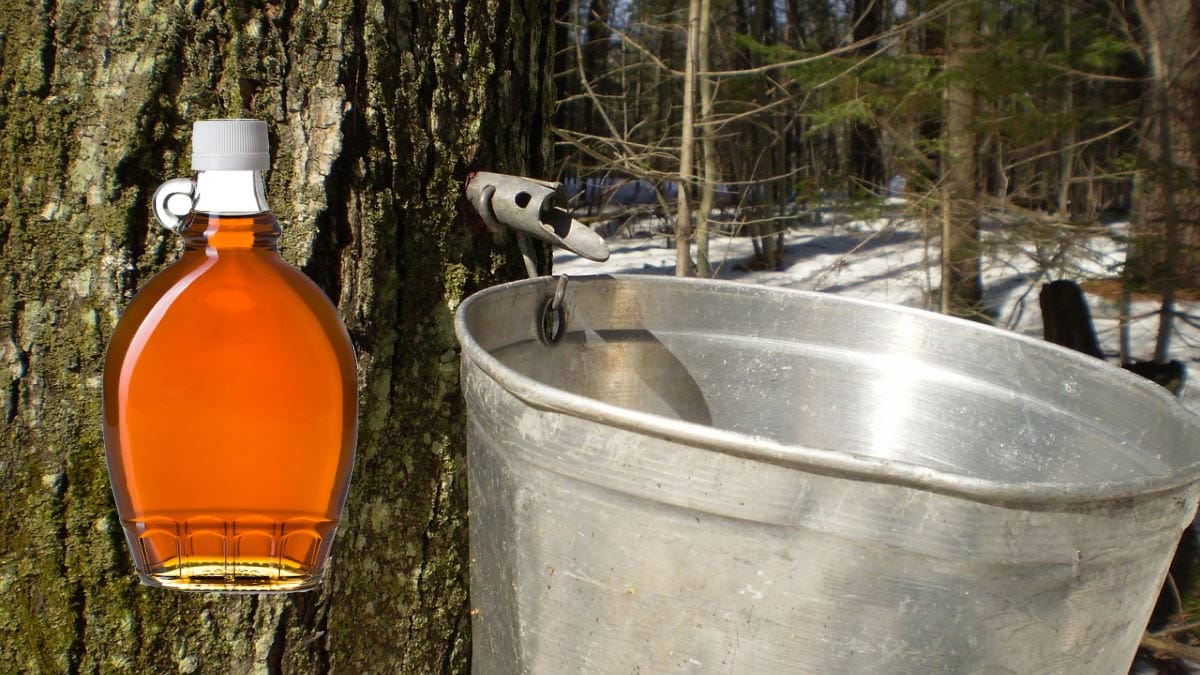
Collecting maple sap and turning it into syrup requires careful planning, clean equipment, and reliable storage practices. Although trees, weather conditions, and boiling techniques receive much of the attention, the containers used throughout the process also play an important role. The right equipment helps protect sap quality, simplify collection, and reduce unnecessary waste during the busy sugaring season.
For producers preparing their equipment, choosing suitable maple syrup pails is an important step toward building an efficient collection system. Container capacity, material, durability, and ease of cleaning all influence how smoothly sap collection runs, whether someone is tapping a handful of backyard maple trees or managing a larger operation.
Understanding what makes a good pail and how to use it correctly can save time, prevent contamination, and make seasonal maintenance much easier. With a few practical considerations, producers can select containers that meet their needs without spending money on unnecessary features.
Understanding the Role of Maple Syrup Pails
Maple syrup production begins with collecting sap from sugar maple and other suitable maple trees. During the freeze-thaw conditions of late winter and early spring, sap flows through tapped trees and into collection systems. Pails provide a straightforward way to capture this liquid before it is transported for processing.
Traditional collection methods use individual containers attached beneath tree taps. When properly positioned, these containers catch the sap while keeping much of the surrounding debris out. Lids can offer additional protection against rain, snow, insects, and falling organic matter.
Although modern producers sometimes use tubing systems and vacuum-assisted collection, pails remain useful for small operations, educational projects, and properties where installing extensive tubing would be impractical.
The container itself does not determine the final syrup’s flavor or quality. However, cleanliness, food-contact suitability, and proper handling directly affect the condition of the sap before boiling begins.
Choosing the Right Material
Container material is one of the first factors to consider.
Food-grade plastic: Plastic containers are generally lightweight and easy to handle. They can be convenient for producers who collect sap frequently or need to carry several partially filled containers. Buyers should verify that the specific product is suitable for food contact and appropriate for the intended use.
Metal: Traditional metal containers offer a familiar appearance and can provide good durability when properly maintained. However, the metal type, interior coating, and condition matter. Rust, damaged coatings, and unsuitable metals can compromise sanitation, so containers should be specifically designed for their intended food-related application.
Specialty collection containers: Some products are designed around particular taps, lids, or collection systems. Compatibility matters because a container that does not fit securely can allow debris inside or make collection less convenient.
Regardless of material, choose containers with smooth, accessible interiors that can be washed, rinsed, and inspected thoroughly.
How to Select and Use Maple Syrup Pails Effectively
Selecting suitable equipment involves more than comparing prices or appearances. The following steps help match container features to actual collection needs.
Step 1: Estimate Your Collection Volume
Start by counting the trees you plan to tap and estimating how often you can collect sap. Sap production varies considerably with weather, tree characteristics, and seasonal conditions, so avoid relying on a fixed daily volume.
For example, someone tapping 10 trees near their home may prefer manageable containers that can be emptied during a morning or evening collection round. A producer tapping 100 trees may need larger collection capacity, more containers, or a system that reduces the number of trips required.
Consider both the available capacity and the weight of a full container. A gallon of sap weighs approximately 8.3 pounds, so a five-gallon container can hold more than 40 pounds of liquid before accounting for the container’s weight. Smaller containers may be easier to lift safely, particularly on uneven or snowy ground.
Step 2: Check Compatibility With Your Taps
A container must work with the tapping equipment already installed on the trees. Check the attachment method, opening dimensions, and positioning requirements before purchasing multiple units.
The container should sit securely beneath the tap without placing unnecessary strain on the spout. It should also leave enough room for convenient removal and emptying.
If you use lids, confirm that they fit properly and do not obstruct sap flow. A poorly matched lid can be more frustrating than having no lid at all.
Step 3: Prioritize Food Safety and Cleanability
Sap is a perishable agricultural product. Warm conditions, dirty equipment, and extended storage can encourage microbial growth and deterioration.
Choose containers intended for food contact, then inspect them for cracks, rough surfaces, corrosion, and damaged coatings. Deep scratches and inaccessible seams can make effective cleaning difficult.
Before the season begins, wash containers according to the manufacturer’s instructions, rinse them thoroughly with potable water, and allow them to dry as appropriate. If a container previously held chemicals, fuel, or other nonfood substances, do not use it for sap collection.
Step 4: Establish a Collection Routine
Consistent collection makes a noticeable difference in day-to-day operations. Check containers regularly, especially during warm weather when sap may deteriorate more quickly.
Transfer collected sap into clean, suitable storage containers and keep it cool until processing. Whenever practical, process fresh sap promptly rather than allowing it to sit for extended periods.
For example, a backyard producer might collect sap each morning, strain it to remove incidental debris, and refrigerate it until enough has accumulated for boiling. The appropriate storage period depends on temperature and sap condition, so refrigeration should not be treated as a guarantee that sap will remain suitable indefinitely.
Step 5: Clean and Store Equipment After the Season
When sap flow ends, remove the containers and clean them thoroughly. Follow the manufacturer’s recommendations for washing and sanitizing, where applicable.
Allow the equipment to dry completely before storage. Keep it in a clean, dry location protected from pests, direct sunlight, and physical damage.
Organizing containers by size and condition also makes preparation easier the following spring. Replace damaged units rather than discovering leaks or sanitation problems after collection has already started.
Common Mistakes When Using Maple Syrup Pails
Even a well-designed container can cause problems when it is used incorrectly. Several mistakes are especially common among new producers.
Choosing containers based on price alone: Inexpensive products may lack suitable food-contact specifications, durable construction, or compatible fittings. Compare long-term usability instead of focusing exclusively on the initial purchase price.
Ignoring container capacity: Oversized containers can become heavy and difficult to carry. Undersized containers may overflow during strong sap runs. Match capacity to your collection schedule and ability to transport the liquid safely.
Leaving containers uncovered: Open containers are more exposed to insects, leaves, rain, and other debris. Appropriate lids help reduce contamination, although they do not replace regular inspection and cleaning.
Allowing sap to remain warm for too long: Sap quality can decline when collection and processing are delayed. Establish a practical collection schedule and provide suitable cool storage.
Reusing damaged equipment: Cracks, corrosion, loose fittings, and deteriorated surfaces can create sanitation or leakage problems. Inspect equipment before each season and throughout use.
Using unsuitable cleaning products: Residues from detergents or sanitizers may affect the collected sap. Follow product instructions carefully and ensure appropriate rinsing when required.
Practical Tips for Better Sap Collection
A few small improvements can make the collection process more efficient without requiring expensive equipment.
First, organize containers according to their location. If trees are spread across a property, a simple numbering system can help identify which containers need attention during each collection round.
Second, plan collection routes before the season begins. Position equipment where it can be reached safely without damaging tree roots, disturbing vegetation, or creating unnecessary walking distances. On sloped properties, consider the effort required to carry full containers back to the processing area.
Third, maintain a small equipment checklist. Include spare lids, compatible taps, clean transfer containers, and replacement parts. Having these supplies available can prevent minor equipment failures from interrupting collection during favorable weather.
Fourth, separate collection equipment from containers used for finished syrup. Raw sap and finished syrup have different handling requirements, and dedicated equipment helps reduce cross-contamination risks. Finished syrup should be filtered and packaged using suitable food-grade equipment and appropriate processing practices.
Finally, keep basic records of sap volume, collection dates, and weather conditions. After a season or two, these observations can reveal patterns that help you plan container capacity, collection frequency, and boiling schedules more accurately.
Conclusion
Maple syrup pails are a practical part of an effective sap collection system, but selecting the right equipment requires attention to more than appearance and cost. Material suitability, capacity, tap compatibility, sanitation, and ease of handling all contribute to a reliable setup.
By estimating collection needs, maintaining clean containers, cooling sap appropriately, and inspecting equipment regularly, producers can reduce waste and simplify their seasonal workload. Whether managing a small backyard project or a larger maple operation, a thoughtful approach to container selection helps create a safer, more organized, and more productive sugaring season.
