

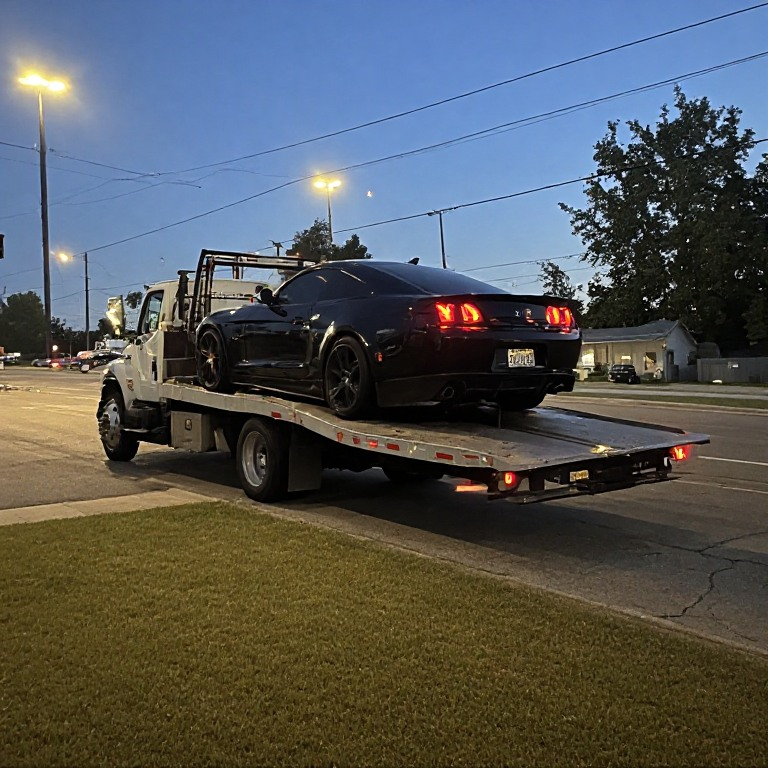
Getting a car transported across the United States often begins with one important question: How much will it cost? While online calculators and instant quotes can provide a starting point, the accuracy of vehicle shipping estimates depends heavily on the information used to generate them.
A small difference in vehicle details, pickup location, delivery requirements, or shipping dates can affect the final transportation price. Knowing what information matters can help you request more realistic quotes and avoid unexpected changes later.
Start With the Details That Actually Affect Pricing
A shipping company needs more than your car’s make and model to provide a useful estimate. The more complete your shipment information is, the easier it becomes to evaluate the transportation requirements.
Before requesting a quote, have these details ready:
- Vehicle make, model, and year
- Pickup ZIP code
- Delivery ZIP code
- Vehicle operating condition
- Desired pickup timeframe
- Open or enclosed transport preference
- Any major modifications
- Approximate vehicle dimensions when applicable
Providing accurate information from the beginning gives the quote a stronger foundation.
Your Pickup ZIP Code Can Change the Number
Two vehicles traveling the same overall distance don’t necessarily receive identical quotes.
Why? The locations at both ends of the shipment matter.
Major cities and transportation hubs typically have greater carrier activity. A pickup from a remote community may require a carrier to travel farther from its normal route before collecting the vehicle.
For example, a shipment from Los Angeles to Dallas may have different transportation economics from a shipment beginning in a small rural community several hours away, even if the final destination is identical.
When requesting vehicle shipping estimates, use the actual pickup and delivery locations whenever possible rather than relying on nearby major cities.
Don’t Hide Your Vehicle’s Condition
Whether your vehicle runs can have a meaningful impact on transportation arrangements.
A running vehicle can generally be driven onto and off a carrier. A non-running vehicle may require additional equipment or assistance for loading and unloading.
Be upfront about conditions such as:
- Dead battery
- Flat tires
- Mechanical failure
- Missing keys
- Steering problems
- Modified suspension
If the carrier arrives and discovers information that wasn’t included in the original request, the transportation arrangement may need to be reassessed.
Choose the Right Shipping Method
The type of carrier you select is another major variable.
- Open Transport
Open auto transport is widely used for everyday cars, SUVs, and trucks. Vehicles are transported on an open trailer, making this option practical for many standard shipments.
- Enclosed Transport
Enclosed transportation places vehicles inside a protected trailer. It may be preferred for classic cars, luxury vehicles, collectibles, and other automobiles where additional protection is important.
Because the equipment and service are different, you shouldn’t compare an open-transport estimate directly with an enclosed quote and assume the higher number is simply overpriced.
Distance Isn’t the Only Calculation
It may seem logical that shipping costs are simply based on miles. In reality, distance is only one part of the equation.
Carrier availability, fuel expenses, route demand, vehicle size, seasonality, and pickup accessibility can all influence pricing.
Interestingly, longer shipments can sometimes have a lower effective cost per mile than shorter ones. Carriers may be able to spread certain operating expenses across a longer route.
That’s why it’s better to evaluate the total estimate rather than trying to calculate your expected price using a generic per-mile figure.
Timing Can Make Your Estimate More Realistic
Your preferred pickup date also matters.
If you need your vehicle collected on a specific day, your options may be narrower than if you can provide a few days of flexibility.
Flexible scheduling can allow transportation providers to look for carriers already operating along your route. This doesn’t guarantee a lower price, but it can create more opportunities for a practical match.
When requesting vehicle shipping estimates, provide your actual timeframe instead of choosing an arbitrary date just to receive a quote.
Watch Out for Estimates That Look Too Good
A very low estimate can be tempting, particularly when you’re comparing several companies.
However, price alone shouldn’t determine your choice.
If one quote is substantially lower than the others, investigate what explains the difference. Check the transportation method, timing, vehicle details, service conditions, and whether the price represents the complete expected cost.
A realistic estimate should make sense for the shipment rather than simply winning the comparison.
A Quick Quote-Accuracy Checklist
Before submitting your information, run through this short checklist:
Vehicle: Is the year, make, model, and condition correct?
Route: Did you enter the actual pickup and delivery ZIP codes?
Dates: Are your requested dates realistic and flexible where possible?
Equipment: Did you specify open or enclosed transport?
Modifications: Did you mention oversized, lowered, lifted, or otherwise modified features?
Special circumstances: Does the vehicle require additional loading assistance?
These small checks can make your vehicle shipping estimates more useful from the start.
How Rapid Auto Shipping Approaches Estimates
Rapid Auto Shipping assists customers with vehicle transportation throughout the United States. When arranging a shipment, providing accurate vehicle and route information helps create a clearer picture of the transportation requirements.
Whether you’re relocating across the country, purchasing a vehicle from another state, sending a car to a family member, or arranging transportation for a specialty automobile, understanding the factors behind your estimate can make comparing options easier.
Rather than searching for an unrealistically low number, focus on finding an estimate that reflects your actual shipment.
Turn an Estimate Into a Better Shipping Decision
An estimate is most valuable when it is based on accurate information.
Your vehicle’s condition, route, transportation method, timing, location, and carrier availability can all influence the price. Giving complete details and comparing similar services can help you understand why different providers may quote different amounts.
For vehicle owners in the USA, the smartest approach is simple: make the quote as accurate as possible before making your decision.
FAQs
1. What information do I need for vehicle shipping estimates?
You’ll generally need your vehicle details, pickup and delivery locations, operating condition, preferred dates, and transportation type.
2. Why do vehicle shipping estimates vary between companies?
Companies may have different carrier availability, route options, pricing models, equipment, and scheduling conditions.
3. Does vehicle condition affect shipping estimates?
Yes. A non-running vehicle may require additional equipment or loading assistance, which can affect transportation costs.
4. Is enclosed transport more expensive than open transport?
Generally, yes. Enclosed transportation provides additional protection and uses specialized equipment, which can result in a higher price.
5. Can flexible pickup dates affect my estimate?
Flexibility may provide more opportunities to match your shipment with available carriers, although it doesn’t guarantee a lower price.
6. Are online vehicle shipping estimates final prices?
Not always. An initial estimate can change if shipment details, vehicle condition, locations, timing, or transportation requirements differ from the information originally provided.
