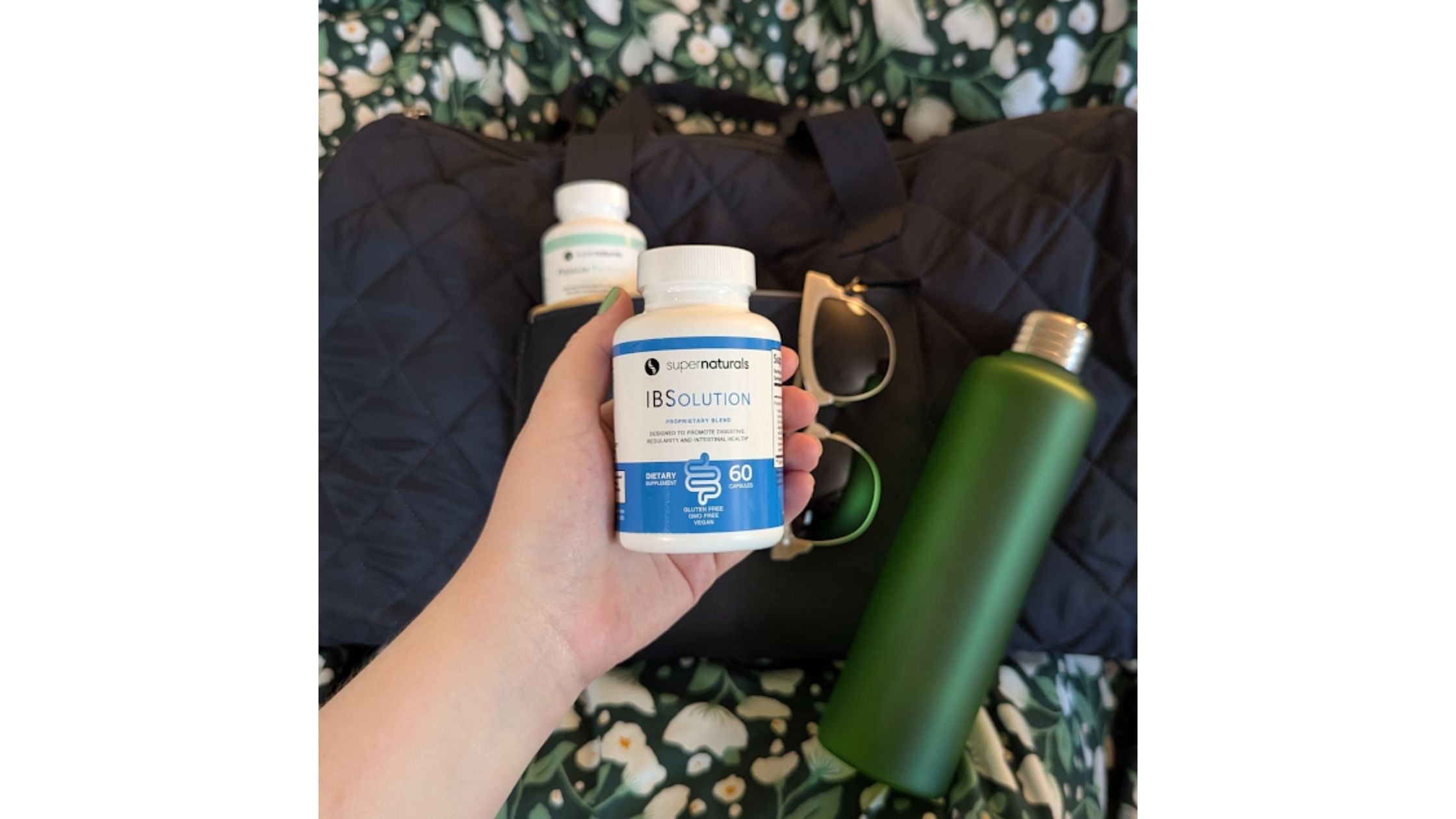
Picking a good gut health supplement should feel simple. But it often isn’t. Store shelves are packed with bottles that promise big results. Some labels use bold words like “clinically proven” or “doctor recommended.” Yet these words don’t always mean much on their own. The real question is this: are you checking the ingredients, or just trusting the packaging? This guide will help you tell the difference.
Why Marketing Claims Can Be Misleading?
Supplement companies want your attention. So they use catchy phrases and bold promises. A label might say a product “boosts digestion instantly” or “cures bloating overnight.” These claims sound great. But they rarely come with real proof. The supplement industry has less oversight than the food and drug industry. Brands can make claims without strong scientific backing. That’s why it pays to look past the marketing and focus on what’s actually inside the bottle.
What to Check Before You Buy
Before you choose supplements for gut health, take a few minutes to check the basics. Here’s what actually matters:
- Active ingredients and dosage. Look for the exact strain and amount of probiotics, not just a vague blend.
- Third-party testing. Trusted labs check purity and potency. This confirms the bottle contains what the label says.
- Clear sourcing. Good brands explain where their ingredients come from and how they’re made.
- Realistic claims. If a product promises to fix everything overnight, be skeptical.
- Transparent labels. Avoid products that hide ingredients behind terms like “proprietary blend.”
Checking these points takes a bit of effort. But it saves you money and protects your health in the long run.
Ingredients That Actually Matter
Not all gut supplements work the same way. When you’re comparing the best supplements for gut health, look for ingredients backed by research. These include:
- Probiotics like Lactobacillus and Bifidobacterium strains, which support a balanced gut microbiome
- Prebiotics such as inulin or chicory root, which feed the good bacteria already in your gut
- Digestive enzymes that help break down food more easily
- Fiber to support regular digestion and reduce bloating
Each of these plays a specific role. A good supplement usually combines a few of them, not just one flashy ingredient.
Spotting Red Flags in Gut Supplements
Some products lean hard on hype instead of science. Watch out for these warning signs:
- Labels with vague terms like “superfood blend” and no exact amounts
- No mention of strain names for probiotics
- Claims that sound too good to be true
- Missing expiration dates or storage instructions
- No third-party testing information anywhere on the label
If you spot two or more of these, it’s worth pausing before you buy.
How Ingredients Help With Bloating
Bloating is one of the most common digestive complaints. If you’re searching for supplements for bloating, ingredient quality matters even more. Digestive enzymes can help break down food that causes gas. Certain probiotic strains may ease discomfort over time. Peppermint and ginger extracts are also known to soothe the stomach naturally. None of these work as an instant fix. But used consistently, they can support smoother digestion.
Making a Smarter Choice
Choosing the right gut supplement doesn’t have to feel confusing. Start by ignoring the loudest marketing claims. Instead, flip the bottle around. Read the ingredient list. Check the dosage. Look for proof of testing. A little research goes a long way. It helps you avoid wasting money on products that promise a lot but deliver little. And it puts you in control of your own gut health journey, based on facts instead of flashy words. Brands like Super Naturals Health focus on clear labeling and quality ingredients, which reflect the kind of transparency shoppers should look for when comparing any gut health product.
This article is for informational purposes only and is not a substitute for professional medical advice. Please talk to a doctor or qualified healthcare provider before starting any new supplement, especially if you have an existing health condition or take medication.