

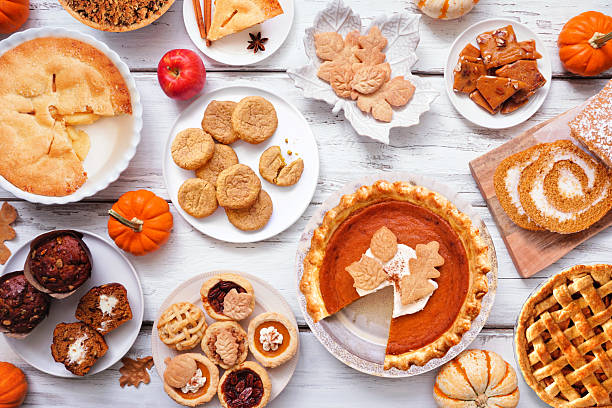
You walk into two different bakeries on the same street. One is selling a slice of chocolate cake for six dollars. The place next door wants eighteen for something that looks pretty similar. It’s frustrating, especially when you can’t tell from the outside what justifies the gap. If you spend any real time hunting out the Best desserts in Edmonton, you start noticing these price swings everywhere, and you start wondering what’s actually going on behind the counter. This article breaks it down honestly, so you can make smarter choices about where your money goes and what you’re getting in return.
Ingredients Are Not All the Same
This is the biggest one. Most people assume chocolate is chocolate, but a baker using single-origin 70% cacao from a small cooperative in Ecuador is paying three to four times what a commercial kitchen pays for standard compound coating. Same goes for dairy. Real butter and fresh cream from a local farm cost more than shelf-stable alternatives, and that difference shows up in the final price. It’s not a small gap either.
Fresh fruit is another place where costs split fast. A tart made with real strawberries in season versus one made with frozen fruit filling from a food service supplier tastes noticeably different, and the strawberries cost more by a wide margin. Imported flavors like matcha from Japan, saffron, or Tahitian vanilla beans can add a few dollars to a single serving all by themselves. When a shop lists their ingredients clearly, that’s usually a sign they’re proud of what they’re using.
Organic dairy and specialty dietary ingredients, like certified gluten-free flour or allergen-controlled oat milk, carry a premium too. Small shops buying in smaller quantities don’t get the bulk discounts that chains do. So the cost per unit is genuinely higher, even before anyone touches the mixing bowl.
Labor Is Baked Into Every Price Tag
Hand-piped buttercream flowers take time. Real time. A skilled decorator can spend an hour on a single cake tier, and that hour has to be paid for somehow. Mass-produced items from a central facility can be churned out in seconds per unit. Artisan ones can’t. That gap in labor cost is one of the clearest reasons two cakes that look vaguely similar can be priced so differently.
Layered desserts are especially labor-heavy. Think of a proper mille-feuille or a multi-layer mousse cake with mirror glaze. Each component gets made separately, chilled, assembled, and finished by hand. You’re not paying for arrogance. You’re paying for hours of skilled work that most people wouldn’t want to do themselves.
Training matters too. A pastry chef who spent years learning proper technique commands a higher wage than an unskilled kitchen hand. Shops that invest in that kind of skill pass the cost along, and honestly, the results usually justify it. Worth knowing before you balk at a price.
Customization Costs More. Always.
Ready-made selections sitting in a display case are priced for efficiency. Custom orders are priced for reality. A personalized birthday cake with specific flavors, a dietary restriction or two, and decorations that match a theme requires separate planning, ingredient sourcing, and dedicated production time. That’s not a small ask.
Gluten-free and vegan accommodations add cost in two ways. The specialty ingredients cost more, and the kitchen often has to be cleaned and cleared to avoid cross-contamination, which takes extra time. Nut-free production is similar. These aren’t excuses. They’re real operational costs that any honest shop will factor into the quote.
Bespoke flavor combinations, like a lavender and Earl Grey cake with a salted honey filling, often require the baker to test the recipe a couple of times before committing to a customer order. That testing time isn’t free. When you’re comparing custom pricing to off-the-shelf pricing, you’re comparing two entirely different products, even if they both technically fall under the word “cake.”
Presentation and the Venue You’re Eating In
A single-serve dessert plated at a sit-down spot costs more than the same flavor in a takeout box. That’s not a scam. It covers real things. The plate, the garnish, the sauce work, the server’s time, the ambient experience, the table, the lighting. All of it gets built into what you pay.
Plating itself takes skill. A quenelle of sorbet positioned next to a tuile and a dot of coulis isn’t just decoration. It’s a trained technique that adds time to every order. Some diners resent paying for presentation, but the people doing it aren’t padding the bill for fun. It’s part of what the kitchen was hired to do.
If you’re eating desserts in Edmonton at a proper dessert cafe with table service, the overhead per square foot is higher than a takeout counter. Rent, utilities, staffing front-of-house, insurance. All of that spreads across every item on the menu. A ten-dollar dessert at a sit-down venue and a six-dollar one at a counter shop might actually represent similar margins for each business.
Small Shops vs. Chain Bakeries: How Pricing Really Differs
Chain bakeries have buying power. They negotiate volume contracts with suppliers, run centralized production, and distribute at scale. Their prices can be lower partly because of genuine efficiency, and partly because some of that efficiency comes from using cheaper ingredients or less labor-intensive methods. Not always, but often.
Independent shops don’t have those levers. Cravings And Delight is one example of a small-batch operation where production happens on-site, ingredients are sourced with more care than a central warehouse allows, and the menu shifts with what’s actually good right now. That kind of operation costs more to run, and the pricing reflects it honestly.
Seasonal menus are a useful signal. A shop that changes what it offers based on what’s fresh and available is probably sourcing properly rather than pulling from frozen stock year-round. Local sourcing signals are worth paying attention to too. They don’t guarantee quality, but they usually mean someone is thinking harder about what goes into the product than a chain running the same menu in forty cities.
The best desserts in Edmonton tend to come from places that can actually explain where their ingredients come from and why they made the choices they did. That transparency is a reasonable proxy for genuine quality, even if it’s not a perfect one.
Understanding how confectionery production works at a basic level makes it much easier to read a price tag with some context. Once you know what goes into a proper macaron versus a packaged one, the price difference stops feeling random. Desserts in Edmonton vary wildly in quality and price, and now you’ve got a framework for reading both.
Frequently Asked Questions
Why does a gluten-free dessert cost more than a regular one?
Specialty flours and binding agents cost more than standard wheat flour, sometimes two or three times as much per kilogram. On top of that, kitchens handling gluten-free orders often need to clean equipment thoroughly to prevent cross-contamination, and that takes real time. Both costs get passed to the customer, which is fair and pretty much unavoidable.
Is a higher price always a sign of better quality?
Not automatically. Some places charge more because of location, branding, or fancy packaging rather than because of what’s inside. But when a shop can tell you where their chocolate comes from, why they use a specific flour, or what makes their seasonal menu different, that’s usually a good sign the price reflects something real.
Why do custom cake orders cost so much more than buying from the display case?
Custom orders require planning, specific ingredient sourcing, testing, and dedicated labor that ready-made items don’t need. A display cake gets made in a batch. Your custom cake gets made once, just for you, with whatever specific requirements you’ve brought to the table. That’s a fundamentally different product even if it looks similar.
What’s actually included in the price of a plated dessert at a cafe?
Beyond the food itself, you’re covering the skill involved in plating, the cost of garnishes and sauces, the server’s time, table and seating overhead, and the general cost of running a sit-down space. None of that is padding. It’s all real operating cost that has to be covered somewhere.
How can I tell if a bakery is genuinely using premium ingredients or just charging more?
Ask. A shop that’s proud of what they use will usually tell you quickly and specifically. Vague answers like “high quality” without any detail are a softer signal. Specific answers about suppliers, sourcing regions, or production methods are a much stronger one. Most honest operators are happy to talk about it.
