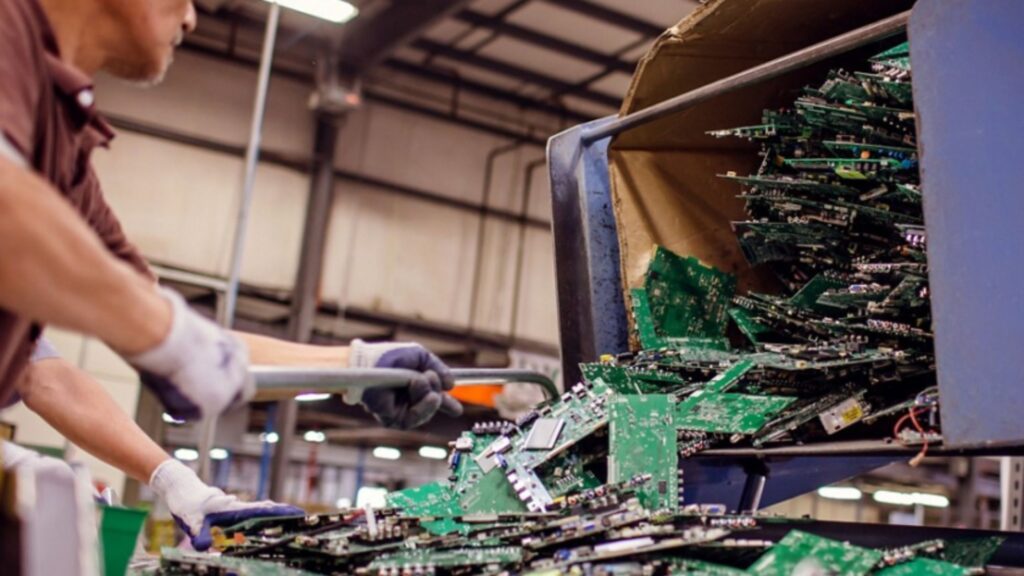
The rapid pace of modern technology keeps the world connected, efficient, and entertained. Upgrading to a faster smartphone, a sleeker laptop, or a higher-definition television is exciting, but it brings up an important question: what happens to the old devices? When discarded electronics pile up, they become electronic waste, or e-waste. Managing this growing wave of old technology requires a dedicated process known as e-waste recycling.
Understanding what happens to old gadgets after disposal is essential for protecting both the planet and personal data. This comprehensive blog breaks down everything individuals and businesses need to know about the essentials of responsible electronics recycling.
What Exactly is E-Waste?
Electronic waste covers any discarded electrical or electronic device with a battery or a power cord. This includes everyday household items like microwaves and vacuums, alongside office technology like computers, servers, printers, and mobile devices.
Because consumers replace technology at a rapid rate, e-waste has become one of the fastest-growing waste streams on earth. Unlike ordinary trash, these items cannot simply be thrown into a standard garbage bin. They require a specialized disposal pipeline to ensure they do not cause long-term harm.
The Core Process of Electronics Recycling
The journey of a recycled electronic device is highly systematic. It is designed to maximize resource recovery while minimizing environmental impact. While procedures vary slightly depending on the specific device, standard electronics recycling cycle follows these key stages:
- Collection and Transport: Devices are gathered at designated drop-off points, corporate collection drives, or recycling facilities.
- Sorting and Categorisation: Workers sort the items by product type and condition to determine if they can be refurbished or if they must be broken down.
- Data Sanitization: Storage components like hard drives are wiped or physically destroyed to protect user privacy.
- Dismantling: Devices are manually taken apart to separate complex components like circuit boards, screens, and batteries.
- Shredding and Separation: The remaining materials are shredded into small fragments. Powerful magnets, lasers, and water currents then separate plastics, glass, and different types of metals.
The Hidden Value Inside Discarded Tech
Throwing away an old computer means throwing away valuable natural resources. Electronics are packed with precious metals that require immense energy to mine from the earth.
Circuit boards, processors, and wiring contain significant amounts of gold, silver, copper, platinum, and palladium. By recovering these materials through clean recycling methods, manufacturers reduce the global demand for raw mining. This conserves natural habitats, lowers energy consumption, and helps build a circular economy where yesterday’s gadgets directly supply the raw materials for tomorrow’s innovations.
The Environmental Hazards of Improper Disposal
When electronics are dumped into regular landfills or incinerated illegally, they transform into serious environmental threats. Circuit boards, batteries, and television screens contain heavy metals and toxic chemicals such as lead, mercury, cadmium, and brominated flame retardants.
Over time, rainwater washes through landfills, causing these toxins to leach deep into the surrounding soil and local groundwater supplies. When burned, they release hazardous chemicals into the air. This toxic pollution damages agricultural land, poisons wildlife, and poses severe health risks to nearby human communities. Responsible recycling acts as a vital shield that keeps these dangerous materials permanently contained.
Securing Sensitive Information Before Disposal
An often-overlooked aspect of the recycling process is data security. Simply deleting files or resetting a device to factory settings does not permanently erase data; sophisticated software can easily recover left-behind information.
True data security requires a process that goes hand-in-hand with environmental recycling. Before any device shell is shredded for its raw metals, the storage drives must undergo verified physical destruction or industrial-grade degaussing. This step prevents identity theft, protects corporate intellectual property, and ensures compliance with global privacy regulations.
A Trusted Partner for Corporate and Public Sector E-Waste Management
Successfully balancing environmental sustainability with high-level data security requires specialized expertise. For organizations seeking a reliable partner to manage this transition, Re-Source Recycling Limited provides comprehensive, nationwide asset management solutions. Backed by more than 25 years of industry experience, the company serves Fortune 500 corporate clients, small businesses, and multiple levels of government across Canada.
Operating a state-of-the-art facility licensed by the Ministry of Environment, their team utilizes advanced, high-speed industrial shredders to process large volumes of material efficiently. They handle everything from outdated office IT assets to obsolete inventory, ensuring total brand protection. Clients receive absolute transparency throughout the process, complete with detailed photo or video documentation and official certificates of destruction. By combining advanced recycling practices with rigid security protocols, they help clients achieve their green corporate goals while keeping their private data completely secure.
Conclusion
Understanding e-waste recycling is the first step toward creating a cleaner, safer digital world. By choosing dedicated electronics recycling routes instead of standard waste bins, individuals and businesses actively prevent hazardous pollution, preserve precious natural resources, and protect confidential information. Responsibly retiring old technology is a simple, highly impactful choice that ensures the innovations of today do not become the environmental burdens of tomorrow.