

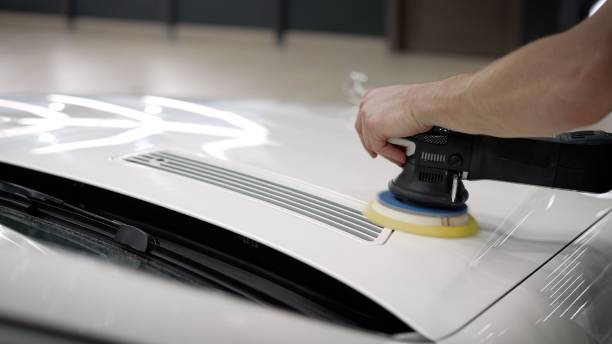
Most people assume a good wash will fix almost anything on their car’s exterior. And sometimes it does. But there’s a point where regular washing, waxing, or even a cheap detailing kit just won’t cut it, because the damage has gone deeper than the surface. Knowing where that line is can save you real money. If you’ve been staring at your paint wondering whether it’s actually damaged or just dirty, this article walks you through five specific signs that tell you it’s time to call in a pro. If you’re already pretty sure you need help, looking into Paint Correction in Fresno CA is a solid starting point. Either way, let’s figure out what you’re actually dealing with.
1. Swirl Marks That Won’t Wash Away
Pull your car into direct sunlight and look at the hood from a low angle. See a web of fine circular scratches spinning out in all directions? Those are swirl marks. They’re incredibly common, and most people don’t even notice them until the light hits just right.
The frustrating part is that washing does absolutely nothing to remove them. Neither does waxing. Swirl marks live in the clear coat itself, cut in by dirty wash mitts, automatic car washes with stiff brushes, or even dry wiping with a rough towel. Once they’re in there, you need a machine polisher and the right compounds to cut them back out. That’s not a Saturday afternoon DIY job for most people. It takes real skill to do without making things worse.
If you can see the swirls clearly in sunlight, and they’ve been there through multiple washes, that’s your first solid sign that professional paint correction is what you actually need.
2. A Dull or Hazy Finish That Used to Be Glossy
Remember when your car looked wet even when it was dry? That deep, reflective shine is what a healthy clear coat looks like. When the finish starts looking flat, chalky, or just kind of tired, that’s oxidation. It happens when UV rays break down the clear coat over time, especially here in the Central Valley where the sun is relentless.
Oxidation isn’t just cosmetic. Left alone, it keeps eating into the paint layers below. A lot of people try to fix it with spray wax or a store-bought polish. Those products might add a tiny bit of shine for a week or two, but they don’t actually remove oxidized material. They just mask it temporarily.
A professional correction process uses abrasive compounds in stages to cut away the damaged layer and reveal fresher, clearer material underneath. The difference before and after is usually dramatic. Worth seeing in person if you’ve never watched it done.
3. Buffer Trails or Random Deep Scratches From a Previous Detail Job
This one surprises people. Sometimes the damage on your paint wasn’t caused by road debris or weather. Sometimes it was caused by whoever last “detailed” the car. Not great.
Buffer trails are wide, arcing scratches left behind when someone runs a polishing machine too fast, uses the wrong pad, or holds the machine at the wrong angle. They’re different from swirl marks because they tend to be longer and more random-looking. Deep single scratches can also come from previous owners using the wrong products at the wrong speed. Either way, you’re looking at clear coat damage that can’t be buffed out with a hand applicator.
Paint Correction Services in Fresno CA are specifically set up to diagnose this kind of layered damage and work through it methodically. A good detailer will inspect the paint under a light before touching anything, so they know exactly what they’re dealing with before they start cutting.
According to general guidance on automotive paint composition and clear coat systems, the clear coat layer is typically only 40 to 60 microns thick. That’s not a lot of room for repeated mistakes. Getting a professional to handle correction means they’re measuring and protecting what’s left.
4. Water Spots That Stay Put After Washing
Not all water spots are equal. The kind you get from a sprinkler or a quick rain shower on a dusty car usually rinse right off with a proper wash. But if you’ve got spots that stay behind no matter how many times you wash, those are etched water spots. Different problem entirely.
Etched spots happen when mineral-heavy water sits on the surface and bonds to the clear coat as it evaporates. The minerals don’t just sit on top. They actually eat into the surface slightly, leaving a permanent ring or crater shape. You can feel them if you run a finger over the paint carefully.
Products like spray detailer or waterless wash won’t touch them. Some people try acidic wheel cleaners on paint, which is a terrible idea. The right fix is a light to medium cut polish, applied with a machine, by someone who knows what they’re doing. J3 Mobile Detail handles this kind of work regularly, and it’s one of the more satisfying corrections to see because the difference shows up immediately under the right lighting.
5. Paint That Still Feels Rough After a Thorough Wash
Run the back of your clean hand slowly across your car’s hood after washing it. It should feel smooth. Really smooth, almost glassy. If it feels like fine sandpaper or has a gritty texture, that’s a problem.
That roughness usually means two things are happening at once. First, there’s embedded contamination, tiny particles of iron fallout, industrial dust, or road tar that have bonded to the surface and sit below the level a wash can reach. Second, the clear coat itself is likely marred from those particles grinding against it every time something moves across the paint.
The first step in fixing this is a clay bar treatment to pull out the contamination. But if the marring is significant, clay alone won’t restore the finish. That’s when paint correction steps in. Paint Correction Services in Fresno CA typically include a clay decontamination stage before any polishing begins, because you can’t polish properly over embedded debris. Skip that step and you just grind the contamination deeper.
Frequently Asked Questions
Can I do paint correction myself at home?
You can try. There are dual-action polishers made for beginners, and they’re much safer than rotary machines. But the risk of making things worse is real, especially if you don’t have a paint thickness gauge or experience reading the paint under proper lighting. For minor swirl marks, a careful DIY job might work. For anything deeper or more widespread, a professional is worth the money.
How long does professional paint correction take?
Depends on the size of the vehicle and the condition of the paint. A basic single-stage correction on a small car might take four to six hours. A full multi-stage correction on a truck or SUV with heavy damage can run a full day or more. Don’t rush it. Cutting corners on time usually shows up in the finished result.
How often does paint correction need to be done?
That depends almost entirely on how you maintain the paint afterward. If you protect the corrected surface with a ceramic coating or a good paint protection film, you might not need another correction for several years. Without protection, daily driving will start introducing new defects within months. Maintenance matters a lot here.
Will paint correction fix deep scratches that go through to the metal?
No. Paint correction works within the clear coat layer. If a scratch is deep enough that you can see bare metal or primer, that’s a different repair entirely, usually requiring touch-up paint or a body shop. A good detailer will tell you honestly which scratches can be corrected and which ones can’t.
Is paint correction worth it before selling a car?
Usually yes, if the paint is visibly damaged. A car with dull, scratched paint sells for less and sits on the market longer. A corrected finish can noticeably change how buyers perceive the vehicle’s overall condition, even if nothing mechanical has changed. The return on investment is usually pretty good for cars with paint that’s seen better days.
If you’re seeing any of these signs on your car, don’t keep throwing money at washes and wax hoping they’ll fix it. They won’t. Real paint defects need real correction, and the sooner you address them, the more of the clear coat you’ll have left to work with.
