Connecticut is one of the most oil-dependent states in the country. As of 2024, 35% of Connecticut households rely on heating oil far above the national average of 4%. That means roughly one in three Connecticut homes runs on the same fuel it has used for decades: No. 2 heating oil, delivered by truck, stored in a tank on the property, and burned in a furnace or boiler to keep the house warm through a New England winter.
If you are in that one-third, the quality of your residential heating oil provider shapes how comfortable and how expensive your heating season is. This guide covers what you actually need to know: how to find the right heating oil company in CT, how to order smart throughout the season, and what separates a provider worth trusting from one that creates problems when you can least afford them.
Why Residential Heating Oil Connecticut Still Makes Sense
Some homeowners ask whether it is time to switch away from oil. The honest answer is: not always, and rarely quickly.
Connecticut remains unusually reliant on oil for heating homes, a legacy shaped by cold winters, older housing stock, and historically limited gas pipeline infrastructure. Converting from oil to natural gas requires the gas main to reach your property, internal piping throughout the home, and full replacement of your existing heating equipment. In large portions of Connecticut particularly rural and suburban towns where gas infrastructure is limited that conversion is either unavailable or carries an upfront cost most homeowners are not ready to absorb.
Modern residential heating oil in Connecticut has also improved significantly. Connecticut now mandates Ultra-Low Sulfur Heating Oil (ULSHO), which burns cleaner than older fuel blends. Current oil-fired furnaces and boilers reach Annual Fuel Utilization Efficiency (AFUE) ratings between 85% and 95%, meaning very little fuel is wasted in the combustion process. For homes with a functional oil system in reasonable condition, maintaining it and ordering from a reliable provider remains the most practical path through winter.
How to Find a Reliable Heating Oil Company in CT
With hundreds of providers operating across Connecticut, the market is crowded. Every company will tell you it is reliable. Here is how to verify that before you commit:
Pricing shown upfront. A trustworthy provider posts the current per-gallon rate on their website updated daily before you begin the ordering process. If you have to call for a quote, or the price only appears after you enter your payment details, move on. Tudor Energy publishes its rate publicly every day so you always know what you are paying before you order.
CT HOD licensing confirmed. Every fuel oil dealer operating in Connecticut must hold a state-issued Home Oil Delivery (HOD) license. This is not optional, it is a legal requirement. Before ordering from any provider, ask for their license number and verify it through the Connecticut Department of Consumer Protection. Tudor Energy holds CT HOD License #1371.
Clear minimum order. Most Connecticut providers require 100 gallons per delivery. That is standard and makes logistical sense. What matters is that the minimum is stated clearly at the start of the ordering process not revealed at the final step after you have already entered your address and card details.
Confirmed coverage at your address. Not every company that appears when you search for heating oil available near me actually runs scheduled routes in your town. Some companies serve certain areas on an overflow basis, which means longer waits and less reliable scheduling. Confirm your specific address is on a regular delivery route before placing your first order.
Realistic delivery scheduling. A vague “5 to 7 business days” window is not useful when your tank gauge is low on a Thursday in February. A provider that knows its routes gives you an honest, specific timeframe you can plan around.
Residential Heating Oil Delivery in CT: How the Process Works
Most homeowners order oil without knowing how it actually gets from the terminal to their tank. Understanding the process helps you make smarter decisions all season long.
Fuel is picked up at a bulk terminal. Every delivery truck loads up at a regional fuel terminal before heading out on the day’s route. The two most common terminals serving Connecticut are Buckeye in Wethersfield and Sprague W in Springfield, MA. The wholesale price at these facilities changes daily which is the primary driver of the per-gallon rate you see from any Connecticut provider.
Routes are organized geographically. Providers plan delivery routes by neighborhood and distance to keep scheduling efficient and predictable. This is why minimum order requirements exist — small deliveries below the threshold disrupt route economics and extend delivery times for every customer on that route.
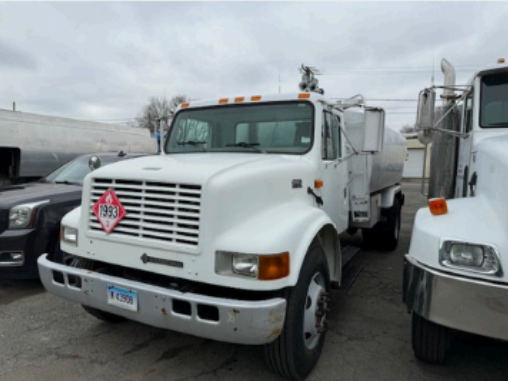
Fuel goes directly into your tank. On delivery day, the driver connects to your fill pipe, delivers the agreed quantity, and leaves a written receipt showing the exact gallons pumped and the price per gallon. You pay only for what physically enters your tank. If the tank is fuller than expected and accepts fewer gallons than you ordered, the amount is adjusted.
You manage the schedule or your provider does. Connecticut homeowners typically choose between two delivery models. Will-call means you monitor your tank gauge and place an order when it drops giving you full control over timing and the freedom to compare pricing each time. Automatic delivery means the provider estimates your consumption and schedules deliveries proactively, removing the risk of running low during a busy or forgetful week. Each model has trade-offs, and the right choice depends on how closely you want to manage the process.
How to Get the Best Heating Oil Deals Near You in Connecticut
Connecticut ranked third in the price of home heating oil and second highest in the nation for home heating oil consumption per consumer. That context matters: Connecticut homeowners pay more for heating oil than nearly anywhere else in the country. Ordering strategically makes a real difference over the course of a full season.
Order before peak demand. Heating oil prices across Connecticut climb from November through February as demand peaks statewide. Homeowners who fill their tanks in September or October consistently pay a lower per-gallon rate than those who order in the middle of winter. The fuel is identical, the timing is not.
Do not wait for an emergency. Emergency or after-hours delivery commands a premium in most markets. Ordering proactively at one-quarter tank, not at near-empty keeps you out of emergency territory and gives your provider a realistic scheduling window.
Compare providers on total value, not just price per gallon. A company offering a slightly lower per-gallon price but a five-day delivery window during cold weather may cost you more in stress and risk than a provider with a higher rate and a tighter schedule. Price matters but reliability and transparency matter alongside it.
Use your delivery history. Two or three seasons of receipts give you a reliable picture of how much oil your home uses from October through April. That data tells you when to order, how much to order, and roughly what your total seasonal cost will be, which helps you plan your household budget more accurately than any estimate.
Residential Heating Oil Connecticut: What Every Homeowner Should Do Before Winter
Most heating-related problems during the season are avoidable. These steps, taken before temperatures drop, reduce risk significantly:
Have your oil burner serviced. Annual maintenance nozzle replacement, heat exchanger inspection, combustion efficiency testing keeps your system running at peak efficiency and reduces the chance of a breakdown mid-winter. A well-maintained burner also uses less fuel per degree of heat produced, which lowers your seasonal oil cost.
Inspect your tank. Residential oil tanks should be inspected periodically for corrosion, leaks, and gauge accuracy. An inaccurate gauge is one of the most common reasons homeowners run out of oil unexpectedly; the gauge shows more than is actually in the tank. If your tank has not been looked at recently, have it checked before the season starts.
Confirm your delivery provider is CT HOD licensed. If you are starting fresh with a new provider or have never checked your current one, look up their license before the season begins. It takes two minutes and confirms you are working with a legally compliant operation.
Know your tank capacity. Most Connecticut homes have a 275-gallon residential tank. Some older properties have 330-gallon tanks. Knowing your exact capacity tells you how much to order and helps you estimate how long a full tank will last based on your home’s typical usage.
Tudor Energy: Residential Heating Oil Delivery in Connecticut
Tudor Energy provides residential heating oil delivery in CT to homeowners across the Farmington Valley and Hartford County region. Here is what every order includes:
- Per-gallon pricing posted and updated daily at tudorenergyct.com
- Online ordering available 24 hours a day, seven days a week
- 100-gallon minimum order stated clearly before you begin
- Prompt delivery scheduling based on efficient local routes
- CT HOD License #1371 licensed and verifiable
- Itemized delivery receipt with every order
- Local team serving Simsbury, Avon, Granby, Bloomfield, Bristol, Barkhamsted, and surrounding towns
To confirm delivery availability at your address, visit tudorenergyct.com/service-areas or call us directly.
5 Frequently Asked Questions
Q1: What is the average price of residential heating oil in Connecticut right now?
Connecticut heating oil prices change every week based on wholesale fuel markets and seasonal demand. Tudor Energy updates its per-gallon rate daily on our website so you always see today’s price before placing an order. For the current rate, visit tudorenergyct.com or call 860-673-8367.
Q2: How do I find heating oil available near me in Connecticut?
Search results for heating oil available near me in Connecticut return hundreds of providers but not all of them serve your specific town or run regular routes in your area. Confirm any provider’s CT HOD license number, verify they cover your address, and check that pricing is shown publicly before you order. Tudor Energy serves towns across Hartford County and the Farmington Valley. Check your address at tudorenergyct.com/service-areas.
Q3: How often do I need residential heating oil delivery in CT?
Most Connecticut homeowners order two to four deliveries per heating season, depending on home size, insulation quality, and winter temperatures. A 275-gallon tank in an average-sized home typically lasts four to six weeks during peak winter. Order when your gauge drops to one-quarter not when it approaches empty to avoid sediment problems and emergency delivery fees.
Q4: Is residential heating oil in Connecticut tax-exempt?
Yes. In Connecticut, heating oil purchased for residential use is exempt from state sales tax. This applies to standard home delivery and is reflected in the pricing you receive from your provider. If you have questions about your specific situation, the Connecticut Department of Revenue Services or a tax advisor can confirm the details.
Q5: What is the minimum order for residential heating oil delivery in CT?
Tudor Energy’s minimum order is 100 gallons. This is standard across most Connecticut providers and works for the majority of residential tanks, which typically hold 275 gallons. A good practice is to order enough to bring your tank to at least half full with each delivery giving you a solid buffer before the next order is needed.
Order Residential Heating Oil in Connecticut Today
Check today’s per-gallon rate, place your order in under five minutes, and Tudor Energy handles the rest.
📞 Call: 860-673-8367 🌐 Order Online: tudorenergyct.com/residential-heating-oil 📋 CT HOD License #1371
Tudor Energy LLC provides residential heating oil delivery in Connecticut to homeowners across Hartford County and the Farmington Valley. Minimum 100-gallon order. Service availability subject to route coverage confirm your address at tudorenergyct.com/service-areas.