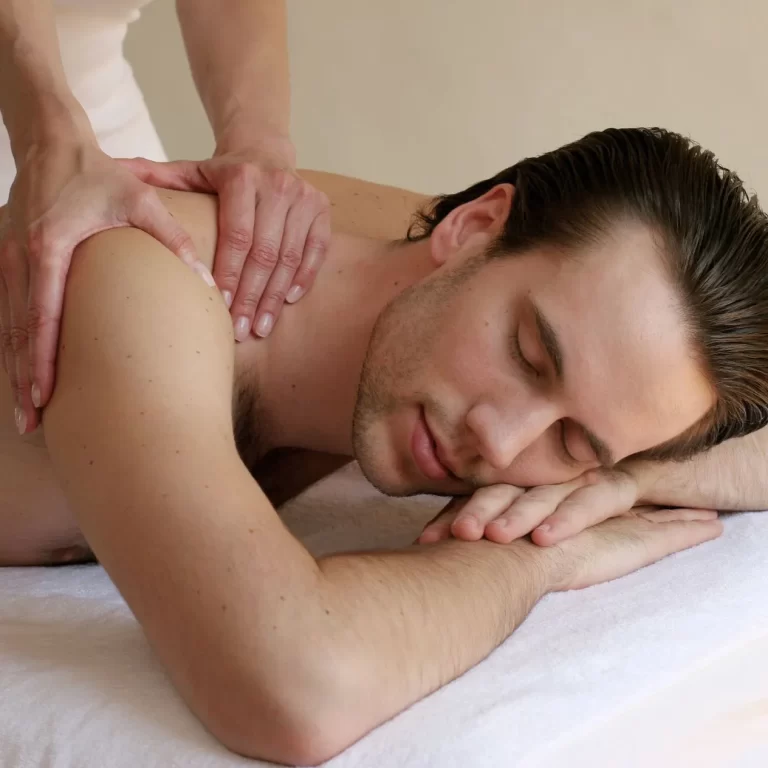
Chronic pain does not just hurt, it drains your energy, disrupts your sleep, and limits what you can do each day. Millions of Canadians deal with this reality, and many are still searching for a solution that actually works. Registered Massage Therapy Toronto clinics offer a regulated, hands-on treatment approach that targets the root cause of pain not just the symptoms. If you have been managing pain with pills or simply pushing through, this guide will show you a better path.
What Chronic Pain Actually Does to Your Body
Most people think chronic pain is just sore muscles. It goes much deeper than that.
Over time, persistent pain tightens soft tissue, limits your range of motion, and creates muscle imbalances. Your posture shifts to compensate. New pain points develop. The cycle keeps repeating itself until you address the underlying tension driving it.
Conditions like back pain, neck stiffness, sciatica, arthritis, fibromyalgia, and frozen shoulder all follow this pattern. They start small, then quietly take over your daily routine. The longer you wait, the harder the recovery becomes.
How Registered Massage Therapy Breaks the Pain Cycle
A Registered Massage Therapist does not just relax your muscles. They assess your body, identify the source of tension, and apply targeted techniques to correct it.
Every RMT in Ontario completes a minimum of 2,200 hours of training in anatomy, physiology, and hands-on clinical practice. They pass rigorous certification exams through the College of Massage Therapists of Ontario (CMTO) before they can legally treat patients. This is not a spa credential it is a regulated healthcare qualification.
During your session, your therapist uses techniques like deep tissue work, myofascial release, trigger point therapy, and joint mobilization. These methods increase blood flow to damaged tissue, reduce inflammation, release compressed nerves, and restore mobility. For chronic pain specifically, this combination creates real and measurable change.
Conditions That Respond Well to RMT Treatment
Back and Neck Pain — One of the most common reasons people visit a massage therapist in Toronto. Prolonged sitting, poor posture, and repetitive strain build tension in the spine. Targeted soft tissue treatment releases that tension and reduces nerve compression.
Headaches and Migraines — Tension in the neck and shoulders is a direct trigger for many headaches. When your RMT addresses the underlying muscle tightness, the frequency and intensity of headaches often decreases.
Sciatica and Nerve Pain — Compression of the sciatic nerve by the piriformis muscle causes shooting pain down the leg. Manual release techniques can reduce that compression and restore comfortable movement.
Arthritis and Joint Pain — Improved circulation and reduced inflammation around affected joints can ease stiffness and improve mobility for arthritis patients.
Fibromyalgia — People with fibromyalgia experience widespread sensitivity. Gentle, consistent RMT treatment helps regulate the nervous system and lower overall pain levels.
Sports and Workplace Injuries — Whether from a gym session or a desk job, muscle overuse injuries respond well to therapeutic massage. RMTs also support recovery after motor vehicle accidents, with treatment costs often covered through auto insurance.
Why RMT Massage in Toronto Is Different from a Spa Massage
This distinction matters more than most people realize.
A spa massage focuses on relaxation. It feels good, but it does not include a clinical assessment or a structured treatment plan. An RMT massage Toronto session starts with a full health history review. Your therapist evaluates your posture, muscle tension, and movement patterns before they touch you.
They set treatment goals. They document your progress. They adjust your plan based on how your body responds. That clinical structure is what makes registered massage therapy effective for chronic pain, not just pleasant.
You can verify any RMT’s license on the CMTO public register. Search their name and confirm their status reads “General Certificate Active.” Any qualified therapist will welcome that question.
What to Expect at Your First Appointment
Your first session will feel different from what you might expect. Here is how it typically unfolds.
You fill out a detailed health history form. This covers your current pain, past injuries, medications, and health goals. Your therapist reads it thoroughly; this is not a formality. It shapes every decision they make during treatment.
Then comes a brief assessment. Your RMT checks your posture, tests your range of motion, and identifies which areas need attention. Treatment follows, using techniques suited to your condition. After the session, your therapist gives you feedback and may suggest exercises or stretches to support your recovery at home.
Wear loose, comfortable clothing. Eat lightly beforehand. Arrive a few minutes early so the intake process does not cut into your treatment time.
How Often Should You Book Sessions?
Frequency depends on the severity and nature of your condition.
For acute pain or a new injury, weekly sessions for three to six weeks typically produce strong results. For chronic conditions that have built up over months or years, the same weekly approach applies initially followed by maintenance sessions every two to four weeks once pain levels stabilize.
Your RMT will guide this based on how your body responds. Some people notice relief after one or two sessions. Others need consistent treatment over several weeks. Either way, the goal is always long-term improvement, not just temporary relief.
Registered Massage Therapy Toronto: Insurance and Cost
Cost should never be a barrier to care. The good news is that most extended health benefit plans in Ontario cover registered massage therapy. Insurers like Canada Life and Green Shield include RMT services in standard employee benefit packages.
OHIP does not cover massage therapy directly. However, if your pain stems from a workplace injury, treatment may be covered through the Workplace Safety and Insurance Board (WSIB). Motor vehicle accident injuries may qualify for reimbursement through auto insurance. Always check your policy details and ask the clinic about direct billing options.
Choosing the Right Massage Therapist in Toronto
Start by confirming credentials. Every legitimate RMT is listed on the CMTO public register. Do not skip this step.
Look for a clinic that takes a clinical approach, one where your therapist assesses you before treatment, creates a personalized plan, and checks in on your progress. Ask whether they have experience with your specific condition, whether that is prenatal care, post-surgical recovery, sports injuries, or long-standing chronic pain.
Check Google reviews. Real patient experiences reveal how a therapist communicates, how they handle pressure and comfort levels, and whether they actually listen. Personal referrals from people with similar conditions carry even more weight.
Your Path Out of Chronic Pain Starts Here
Chronic pain is not something you have to accept as permanent. With the right clinical support, your body can recover and stay recovered.
Registered Massage Therapy Toronto gives you access to regulated, evidence-informed care that addresses the actual source of your pain. Whether you are dealing with a herniated disc, daily tension headaches, or years of unresolved back pain, a qualified RMT builds a treatment plan around your specific needs.
At HealthOne, the registered massage therapy team takes exactly this approach: individualized assessment, targeted hands-on treatment, and a clear path toward lasting relief. Do not wait for the pain to get worse.
Frequently Asked Questions
1. Does registered massage therapy actually help with chronic pain?
Yes. Clinical evidence supports massage therapy for reducing chronic muscle tension, improving joint mobility, lowering inflammation, and relieving nerve compression. It works best as part of a consistent treatment plan, not a one-time session.
2. Do I need a doctor’s referral to see an RMT in Toronto?
No referral is needed. Any adult can book directly with a registered massage therapist. Some insurance plans may require a physician’s note for reimbursement, so check your specific policy before booking.
3. How many sessions will I need before I feel a difference?
Most people notice improvement within one to three sessions for acute issues. Chronic conditions typically require weekly treatment for three to six weeks, followed by regular maintenance sessions.
4. Is RMT massage covered by Ontario health insurance?
OHIP does not cover RMT services. However, most extended health benefit plans through employers do. Workplace injuries may be covered by WSIB, and motor vehicle accident injuries may qualify through auto insurance.
5. What is the difference between a registered massage therapist and a regular massage therapist?
An RMT is a regulated healthcare professional in Ontario, licensed through the CMTO after completing 2,200 hours of clinical training and passing certification exams. A non-registered massage provider has no regulated credential, cannot bill insurance, and does not operate within a formal scope of practice.