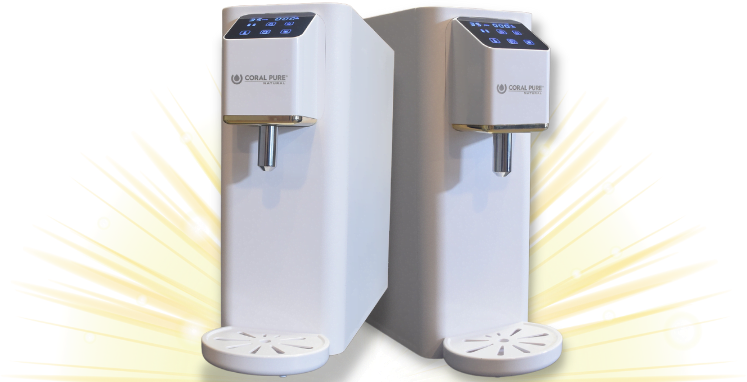
Access to clean drinking water is something many households value more than ever today. While tap water in developed cities is generally treated and safe, many people still look for additional filtration to improve taste, remove impurities, and gain peace of mind about the water they consume daily. This growing interest has made the reverse osmosis water filter one of the most popular water purification solutions for modern homes.
From reducing contaminants to improving overall water quality, reverse osmosis systems are now widely used in kitchens, offices, and commercial spaces. Understanding how these systems work and why they are effective can help homeowners make better decisions when choosing a long-term water filtration solution.
What Is a Reverse Osmosis Water Filter?
A reverse osmosis water filter is a purification system designed to remove contaminants, dissolved solids, and unwanted particles from water through a semi-permeable membrane. The system works by forcing water through microscopic pores that allow water molecules to pass while blocking larger contaminants.
Reverse osmosis, often abbreviated as RO, is considered one of the most effective water purification technologies available today. It is capable of filtering out substances such as:
- Chlorine
- Sediment
- Heavy metals
- Bacteria
- Fluoride
- Pesticides
- Dissolved salts
Because of its high filtration efficiency, many households use RO systems to improve the quality and taste of their drinking water.
How Reverse Osmosis Technology Works
Understanding the filtration process can help users appreciate why reverse osmosis systems are so effective.
Pre-Filtration Stage
Before water reaches the RO membrane, it passes through pre-filters that remove larger particles such as dirt, rust, and sediment. Carbon filters are also commonly used to reduce chlorine and unpleasant odors.
This stage protects the delicate membrane from damage and helps extend the system’s lifespan.
RO Membrane Filtration
The heart of the system is the semi-permeable membrane. Water is pushed through this membrane under pressure, separating clean water from dissolved contaminants.
The membrane is fine enough to remove even microscopic impurities, making it one of the most advanced household filtration methods available.
Post-Filtration Process
After passing through the membrane, the purified water may go through additional filters to further improve taste and freshness. Some modern systems also add beneficial minerals back into the water for a more balanced drinking experience.
Benefits of Using a Reverse Osmosis Water Filter
Many homeowners choose RO systems because they provide multiple advantages beyond simple filtration.
Improved Water Taste and Odor
One of the most noticeable benefits is the improved taste of drinking water. Removing chlorine, chemicals, and dissolved impurities can make water cleaner and fresher.
This also enhances the flavor of beverages such as tea, coffee, and soups prepared with filtered water.
Reduction of Harmful Contaminants
A major advantage of a reverse osmosis water filter is its ability to significantly reduce potentially harmful substances. Depending on the system, RO filtration can remove contaminants linked to poor water quality and environmental pollution.
This additional layer of purification gives many families added confidence in the water they consume daily.
Better for Cooking
Filtered water can improve the quality of meals by eliminating unwanted tastes and odors. Vegetables, grains, and soups prepared with purified water often retain a cleaner flavor profile.
For families that cook frequently at home, this can make a noticeable difference in everyday meals.
Reduced Dependence on Bottled Water
Installing a home filtration system can reduce reliance on bottled water, helping households lower plastic waste and ongoing purchasing costs.
This shift is not only more economical over time but also supports more environmentally responsible habits.
Why Reverse Osmosis Systems Are Popular in Urban Homes
Urban living often comes with concerns about aging pipelines, inconsistent water taste, and exposure to environmental pollutants. Although municipal treatment systems provide safe water, many homeowners prefer an additional filtration layer for reassurance.
Reverse osmosis systems are especially attractive because they combine advanced purification with convenient daily use. Modern systems are now designed to fit compact kitchens and contemporary living spaces, making them practical even for apartments and smaller homes.
Space-Saving Designs
Many modern RO systems feature sleek and compact designs that integrate easily into contemporary kitchens. Tankless models, in particular, have gained popularity because they occupy less storage space while reducing the risk of bacterial buildup inside water tanks.
Easy Access to Clean Water
With advanced filtration installed directly at home, users can enjoy purified drinking water instantly without the inconvenience of boiling water or purchasing bottled alternatives.
This convenience is one reason many families now consider water filtration systems an essential household appliance rather than a luxury item.
Factors to Consider Before Choosing a Water Filtration System
Selecting the right system requires more than simply comparing prices. Households should evaluate their water needs, kitchen space, and maintenance preferences before making a decision.
Filtration Performance
Different systems offer varying levels of filtration capability. Homeowners should review which contaminants a system is designed to remove and whether it suits local water conditions.
A high-quality reverse osmosis water filter should include multiple filtration stages for comprehensive purification.
Maintenance Requirements
Regular maintenance is necessary to keep any filtration system operating efficiently. Filters and membranes eventually need replacement to maintain optimal performance.
Before purchasing a system, users should understand:
- Filter replacement schedules
- Maintenance costs
- Availability of servicing support
Water Efficiency
Some older RO systems may waste more water during filtration. Newer models are increasingly designed with better water efficiency to reduce unnecessary wastewater.
Checking the efficiency rating of a system can help households balance purification performance with environmental responsibility.
Additional Features
Modern systems often come with enhanced functions such as:
- Hot and cold water dispensing
- Mineral enhancement
- Smart indicators for filter replacement
- Child safety locks
- Tankless operation
These added features can improve convenience and overall user experience.
Common Misconceptions About Reverse Osmosis
Although RO systems are widely trusted, there are still misconceptions surrounding their use.
“RO Water Is Too Pure”
Some people believe reverse osmosis removes everything beneficial from water. While the process does reduce minerals, many systems today include remineralization technology to restore essential minerals and improve taste.
“All Water Filters Work the Same”
Not all filtration systems offer the same level of purification. Basic carbon filters may improve taste but may not remove dissolved contaminants as effectively as reverse osmosis technology.
Understanding these differences helps consumers choose the most suitable solution for their needs.
“RO Systems Are Difficult to Maintain”
Modern filtration systems are far more user-friendly than earlier models. Many systems now feature simplified filter replacement and maintenance reminders, making long-term upkeep easier for households.
The Growing Demand for Cleaner Drinking Water
Consumers today are more informed about health, hydration, and environmental sustainability. As a result, demand for advanced home water filtration continues to grow globally.
People increasingly want solutions that offer:
- Greater confidence in water quality
- Improved convenience
- Reduced environmental impact
- Better-tasting drinking water
The rise of compact and technologically advanced purification systems reflects this shift in consumer priorities.
At the same time, homeowners are becoming more selective about investing in durable appliances that combine functionality with modern aesthetics. Water filtration systems are no longer viewed solely as practical devices but also as part of a healthier lifestyle.
Is a Reverse Osmosis System Worth Considering?
For many households, investing in a reliable filtration system can provide long-term value. Cleaner drinking water, reduced bottled water use, and greater convenience are benefits that appeal to families, professionals, and health-conscious individuals alike.
A well-designed reverse osmosis water filter can offer an effective solution for improving water quality while fitting seamlessly into modern homes. With continuous innovations in filtration technology, today’s systems are more efficient, compact, and convenient than ever before.
For those exploring advanced home water purification solutions, Coral Pure Natural offers a range of modern water dispensers and purification systems designed for contemporary lifestyles.
Clean water plays an important role in daily wellbeing, and choosing the right filtration system can make a meaningful difference in the quality of water consumed every day.