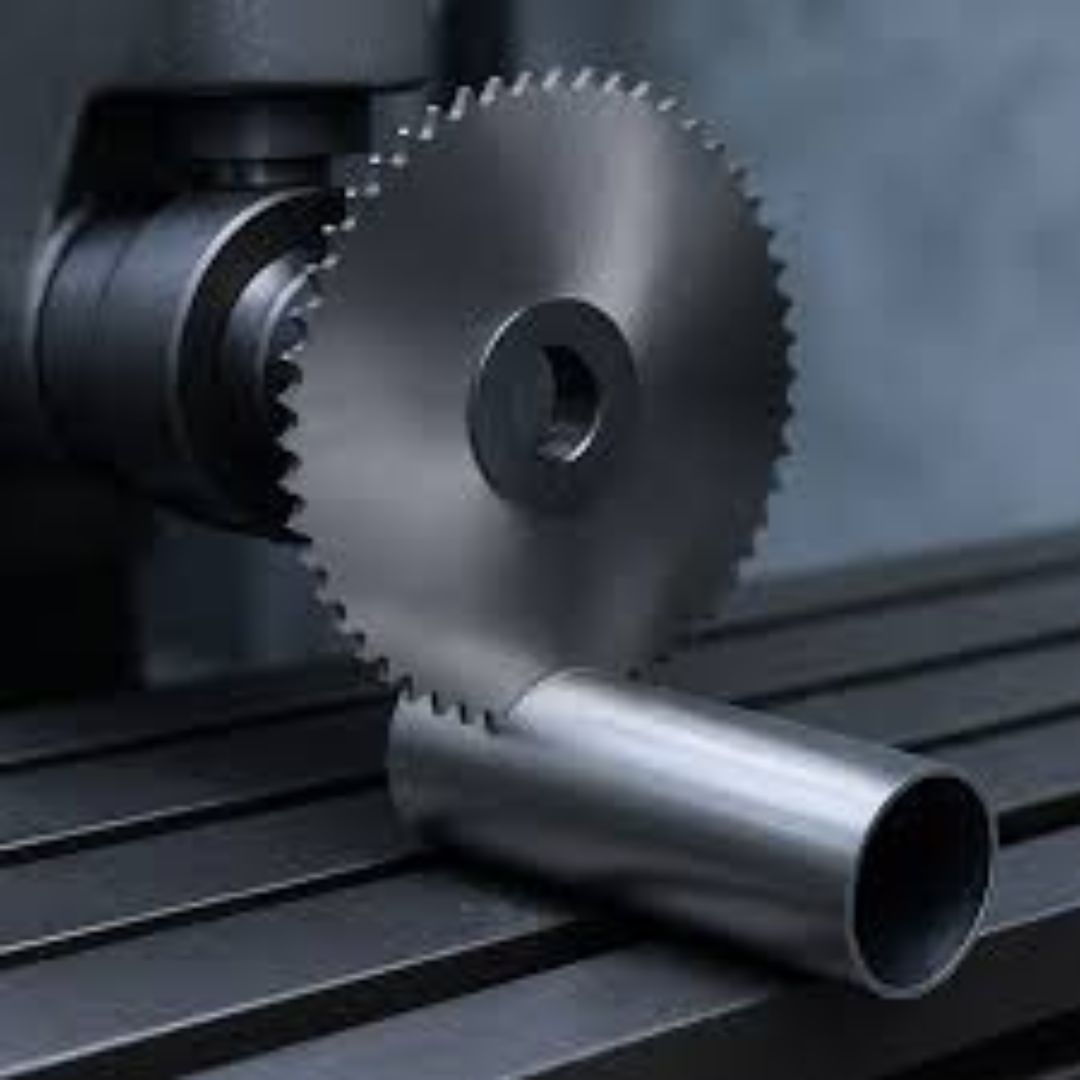
In modern manufacturing, precision and efficiency are not optional—they are essential. Whether you are working in automotive, aerospace, or general fabrication, the tools you use directly impact productivity, quality, and operational costs. One such critical tool is the slitting saw blade. Choosing the right blade can significantly improve cutting accuracy, reduce waste, and enhance overall efficiency.
What is a Slitting Saw Blade?
A slitting saw blade is a thin, circular cutting tool used for making narrow and precise cuts in materials such as steel, aluminum, and other alloys. These blades are mounted on milling or slitting machines and rotate at high speeds to produce clean and accurate cuts with minimal material loss.
They are widely used in:
- Metal fabrication
- Tube and pipe cutting
- Sheet and coil processing
- CNC machining operations
Because of their precision, slitting saws are ideal for applications where tight tolerances and smooth finishes are required.
Why High-Quality Slitting Saw Blades Matter
Choosing low-quality blades may seem cost-effective initially, but it often leads to higher long-term costs due to frequent replacements, poor cut quality, and machine downtime.
High-quality slitting saw blades offer:
1. Precision Cutting
Premium blades ensure narrow, burr-free cuts, reducing the need for secondary finishing processes.
2. Longer Tool Life
Blades made from high-speed steel (HSS) or carbide last longer and maintain sharpness even under heavy-duty conditions.
3. Improved Efficiency
Sharp, durable blades cut faster and more consistently, improving production speed.
4. Reduced Material Waste
Accurate cuts mean less scrap, which is crucial for cost-sensitive manufacturing.
Key Factors to Consider When Choosing Slitting Saw Blades
1. Material Composition
The material of the blade determines its durability and performance.
- HSS (High-Speed Steel): Ideal for general-purpose cutting with excellent toughness.
- Carbide: Best for cutting hard materials like stainless steel due to superior heat resistance and wear resistance.
For high-performance applications, manufacturers like Maxwell Slitters provide both HSS and carbide options tailored for different industries.
2. Blade Thickness
Slitting saw blades are available in thicknesses ranging from as low as 0.1 mm up to several millimeters.
- Thin blades = precise, narrow cuts
- Thick blades = stronger, suitable for deeper cuts
Choosing the right thickness ensures optimal balance between precision and strength.
3. Diameter and Size
Blade diameter affects cutting depth and machine compatibility. Custom sizes are often required depending on the application.
High-quality manufacturers offer customizable dimensions to match specific production requirements, ensuring maximum efficiency.
4. Tooth Geometry
Tooth design plays a major role in cutting performance.
Common tooth types include:
- Plain tooth: General-purpose cutting
- Staggered tooth: Better chip clearance and smoother cutting
- Side chip clearance: Ideal for deep slotting
- Tube cutting tooth profiles: Designed for pipe and tube applications
Selecting the right tooth geometry helps improve chip removal and reduces heat buildup.
5. Application Compatibility
Not all slitting saw blades are suitable for every material.
High-quality blades are designed to cut:
- Steel and stainless steel
- Aluminum and brass
- Titanium and other alloys
Using the correct blade for the material ensures better performance and longer tool life.
6. Precision and Tolerance
In industries where accuracy is critical, even slight deviations can lead to defects.
Premium slitting saw blades offer tight tolerances, ensuring:
- Consistent cut width
- Smooth finishes
- Minimal vibration
These features are essential for high-volume manufacturing.
Applications of Slitting Saw Blades
Slitting saw blades are versatile tools used across various industries:
1. Automotive Industry
Used for cutting metal components with high precision, ensuring consistency in mass production.
2. Aerospace Industry
Ideal for cutting high-strength alloys where precision is critical.
3. Metal Fabrication
Widely used for cutting sheets, strips, and profiles with minimal waste.
4. Tube and Pipe Manufacturing
Specialized blades allow clean cutting of pipes and tubes without deformation.
5. CNC Machining
Perfect for slotting, grooving, and parting operations in CNC environments.
Advantages of Choosing Maxwell Slitting Saw Blades
When it comes to quality and reliability, Maxwell Slitters stands out as a trusted global manufacturer.
1. Premium Materials
Their blades are made from high-quality HSS and carbide, ensuring durability and performance.
2. Custom Manufacturing
They offer custom sizes, thicknesses, and tooth profiles tailored to specific applications.
3. Industry-Wide Applications
Their products are widely used in automotive, aerospace, and industrial manufacturing sectors.
4. Precision Engineering
Advanced manufacturing processes ensure tight tolerances and consistent quality.
5. Global Trust
With decades of experience, they serve clients worldwide with reliable cutting solutions.
Tips for Maintaining Slitting Saw Blades
Even the best blades require proper maintenance to perform efficiently.
1. Proper Storage
Store blades in a dry, clean environment to prevent corrosion.
2. Regular Inspection
Check for wear, cracks, or dull edges before use.
3. Correct Machine Settings
Ensure proper speed, feed rate, and alignment to avoid damage.
4. Use Coolants
Coolants help reduce heat and extend blade life.
5. Sharpening and Reconditioning
Regular sharpening restores performance and reduces replacement costs.
Common Mistakes to Avoid
- Using the wrong blade for the material
- Ignoring blade thickness requirements
- Operating at incorrect speeds
- Neglecting maintenance
Avoiding these mistakes ensures optimal performance and longer tool life.
Future Trends in Slitting Saw Technology
The manufacturing industry continues to evolve, and so do cutting tools.
Some emerging trends include:
- Advanced coatings for improved wear resistance
- AI-based machining optimization
- High-precision CNC-compatible blades
- Eco-friendly manufacturing processes
Manufacturers like Maxwell Slitters are continuously innovating to meet these demands.
Conclusion
Choosing high-quality slitting saw blades is essential for achieving efficient, precise, and cost-effective production. From material selection and blade design to application compatibility, every factor plays a role in determining performance.
By investing in premium solutions like the Metal Slitting Saw, manufacturers can significantly improve cutting efficiency, reduce downtime, and enhance overall productivity.
In a competitive manufacturing landscape, the right tools make all the difference. Selecting the best slitting saw blade is not just a purchase—it’s a strategic investment in quality and efficiency.