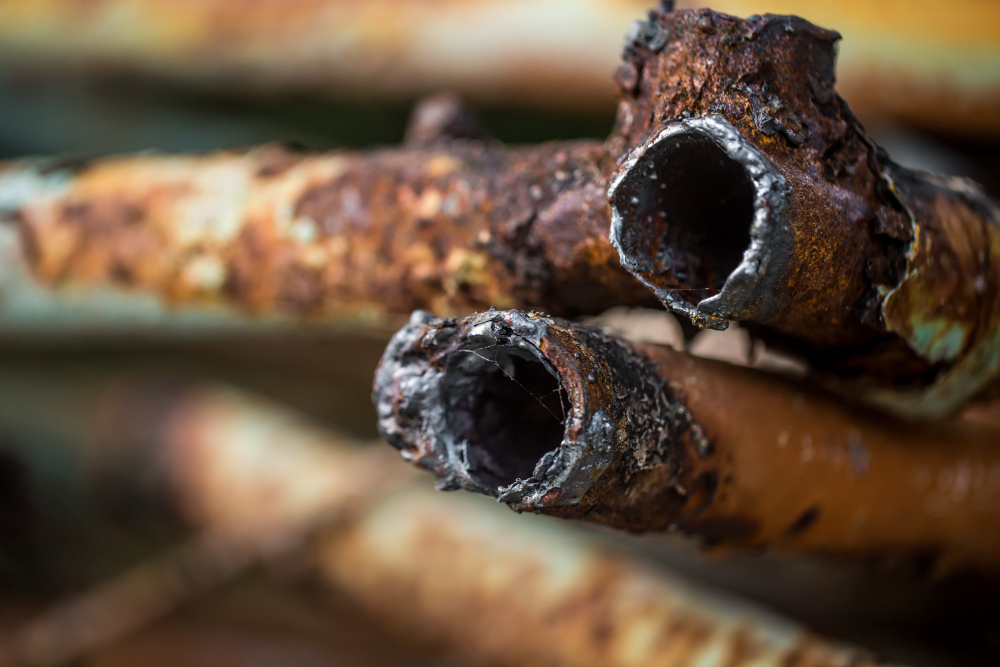
In many older buildings and municipal systems, aging infrastructure continues to present unexpected environmental and safety concerns. One of the most frequently overlooked issues involves legacy materials that were once considered durable and cost-effective. Among these, asbestos-containing materials remain a serious concern, particularly when dealing with asbestos cement pipe removal. Contractors, facility managers, and property owners often discover these materials during renovation, demolition, or utility upgrades.
For professionals working in environmental remediation, these situations are not unusual. Asbestos cement pipes were widely used for water distribution, drainage, and industrial systems throughout much of the 20th century. While the material itself was valued for strength and corrosion resistance, the presence of asbestos fibers means that handling, disturbance, or removal requires strict regulatory oversight. Improper practices can release microscopic fibers into the air, creating long-term health risks for workers and occupants.
Understanding how these systems are safely managed is essential for anyone involved in property maintenance, construction, or infrastructure upgrades.
Why Asbestos Cement Pipes Were Widely Used
To understand the need for asbestos cement pipe removal, it helps to understand why these materials became so common in the first place. During the mid-1900s, asbestos cement was viewed as an innovative building material. By mixing asbestos fibers with cement, manufacturers created pipes that were strong, lightweight, and resistant to corrosion.
These pipes were frequently installed in:
- Municipal water supply systems
- Sewer and drainage infrastructure
- Industrial process piping
- Underground utility networks
For decades, they performed well under typical operating conditions. However, the durability of the material also means that many of these pipes remain in service long after the health risks of asbestos become widely recognized.
Environmental specialists today often encounter these systems during infrastructure upgrades or when older facilities undergo renovation.
The Hidden Risks of Disturbing Asbestos Materials
One of the most important things experienced remediation professionals emphasize is that asbestos is not always dangerous when left undisturbed. The risk increases when materials are cut, drilled, broken, or otherwise disturbed. These actions can release microscopic fibers into the air.
This is particularly relevant during asbestos cement pipe removal, where mechanical disturbance is often unavoidable. Breaking or grinding pipes without proper containment can generate airborne particles that remain suspended for long periods.
Long-term exposure to asbestos fibers has been linked to serious health conditions, including:
- Asbestosis
- Lung cancer
- Mesothelioma
Because these illnesses may take decades to develop, strict regulations now govern how asbestos-containing materials are handled.
Professionals in environmental remediation stress that even small projects require proper assessment before any removal work begins.
How Professionals Approach Asbestos Cement Pipe Removal
From an industry standpoint, the removal process follows a carefully controlled sequence designed to minimize fiber release and protect workers.
Initial Inspection and Material Assessment
Before removal begins, trained inspectors typically conduct a site assessment. Samples may be collected and analyzed in accredited laboratories to confirm the presence of asbestos.
This step is critical because many cement pipes look similar to non-asbestos materials. Visual identification alone is rarely reliable.
Once confirmed, a detailed removal plan is developed.
Establishing Containment and Safety Controls
Experienced crews understand that preparation often takes longer than the removal itself. Work zones are isolated using containment barriers, negative air systems, and protective coverings to prevent contamination.
Workers must wear appropriate personal protective equipment, including respirators and disposable protective suits. Decontamination stations are also set up so personnel can safely exit the work area.
These precautions are not optional—they are required under most environmental safety regulations.
Controlled Pipe Removal
During the actual asbestos cement pipe removal process, technicians use specialized tools designed to minimize breakage. Pipes are often removed in intact sections whenever possible.
If cutting is necessary, wet methods are typically used to suppress dust and reduce airborne fibers. The removed materials are then carefully packaged in sealed containers approved for hazardous waste transport.
Every step is documented to ensure regulatory compliance.
Where Asbestos Pipe Insulation Removal Often Comes Into Play
In many facilities, pipes were not only made from asbestos cement but also wrapped with insulation containing asbestos fibers. This is where asbestos pipe insulation removal becomes part of the remediation process.
Insulation materials were commonly installed around pipes to retain heat or protect systems from temperature changes. Over time, these insulation layers can deteriorate, increasing the likelihood of fiber release.
Environmental professionals often encounter these materials in:
- Industrial boiler rooms
- Mechanical equipment areas
- Older commercial buildings
- Utility tunnels
Removing insulation requires careful handling because the material can be friable, meaning it crumbles easily and releases fibers when disturbed.
Specialized containment and wet removal methods are typically used to ensure fibers do not spread beyond the work area.
Common Mistakes Property Owners Should Avoid
Professionals with years of field experience often observe the same mistakes when property owners discover potential asbestos materials.
One of the most common issues is attempting to remove suspected materials without professional assessment. Some individuals assume that because pipes appear intact, removal can be done safely with basic tools. Unfortunately, disturbing these materials without proper controls can create serious contamination risks.
Another frequent mistake involves incomplete documentation. Regulations often require records of asbestos surveys, removal procedures, and waste disposal manifests. Without proper documentation, property owners may face compliance issues during inspections or property transactions.
Delaying action can also complicate matters. Aging pipes and insulation may degrade over time, increasing the likelihood of fiber release during future maintenance work.
Experienced environmental consultants recommend early assessment whenever older building materials are suspected.
Regulatory and Environmental Responsibilities
Environmental regulations surrounding asbestos management exist for a reason. Agencies across many regions have developed strict guidelines governing identification, handling, and disposal of asbestos-containing materials.
These regulations typically require:
- Certified inspectors to identify asbestos
- Licensed contractors to perform removal work
- Approved waste transport and disposal procedures
- Air monitoring during remediation projects
Failure to follow these procedures can result in serious legal and financial consequences.
Responsible environmental management also protects workers, building occupants, and surrounding communities from unnecessary exposure.
Long-Term Planning for Aging Infrastructure
Across many cities and industrial facilities, aging infrastructure continues to present environmental challenges. As pipelines reach the end of their service life, infrastructure upgrades often trigger the need for asbestos cement pipe removal.
Forward-thinking property managers and municipalities increasingly include asbestos assessments in long-term maintenance planning. By identifying potential risks early, they can schedule remediation work during planned renovations rather than responding to emergencies.
This proactive approach reduces disruption while ensuring that safety and compliance remain priorities.
Environmental Responsibility and Safe Removal Practices – MSN Environmental
In the field of environmental remediation, experience and regulatory knowledge are essential. Projects involving asbestos cement pipe removal require careful planning, specialized equipment, and trained professionals who understand how to manage hazardous materials safely.
Organizations such as MSN Environmental focus on responsible remediation practices that prioritize worker safety, regulatory compliance, and environmental protection. From assessment and planning to containment and disposal, experienced environmental teams ensure that asbestos materials are handled according to established safety standards.
As infrastructure continues to age, responsible asbestos management will remain a critical part of maintaining safe buildings and utility systems.
FAQs
1. What are asbestos cement pipes commonly used for?
They were widely used in water supply, drainage, and industrial piping systems because of their durability and resistance to corrosion.
2. Is it dangerous to leave asbestos pipes in place?
If the pipes remain undisturbed and in good condition, the risk may be low. Problems arise when they are damaged, cut, or deteriorating.
3. How do professionals confirm the presence of asbestos?
Certified inspectors collect material samples that are analyzed in accredited laboratories to verify asbestos content.
4. Why is asbestos pipe insulation removal more sensitive?
Insulation materials are often friable, meaning they can easily release fibers when disturbed.
5. Can asbestos waste be disposed of in regular landfills?
No. Asbestos-containing materials must be transported and disposed of at approved hazardous waste facilities following strict regulations.