

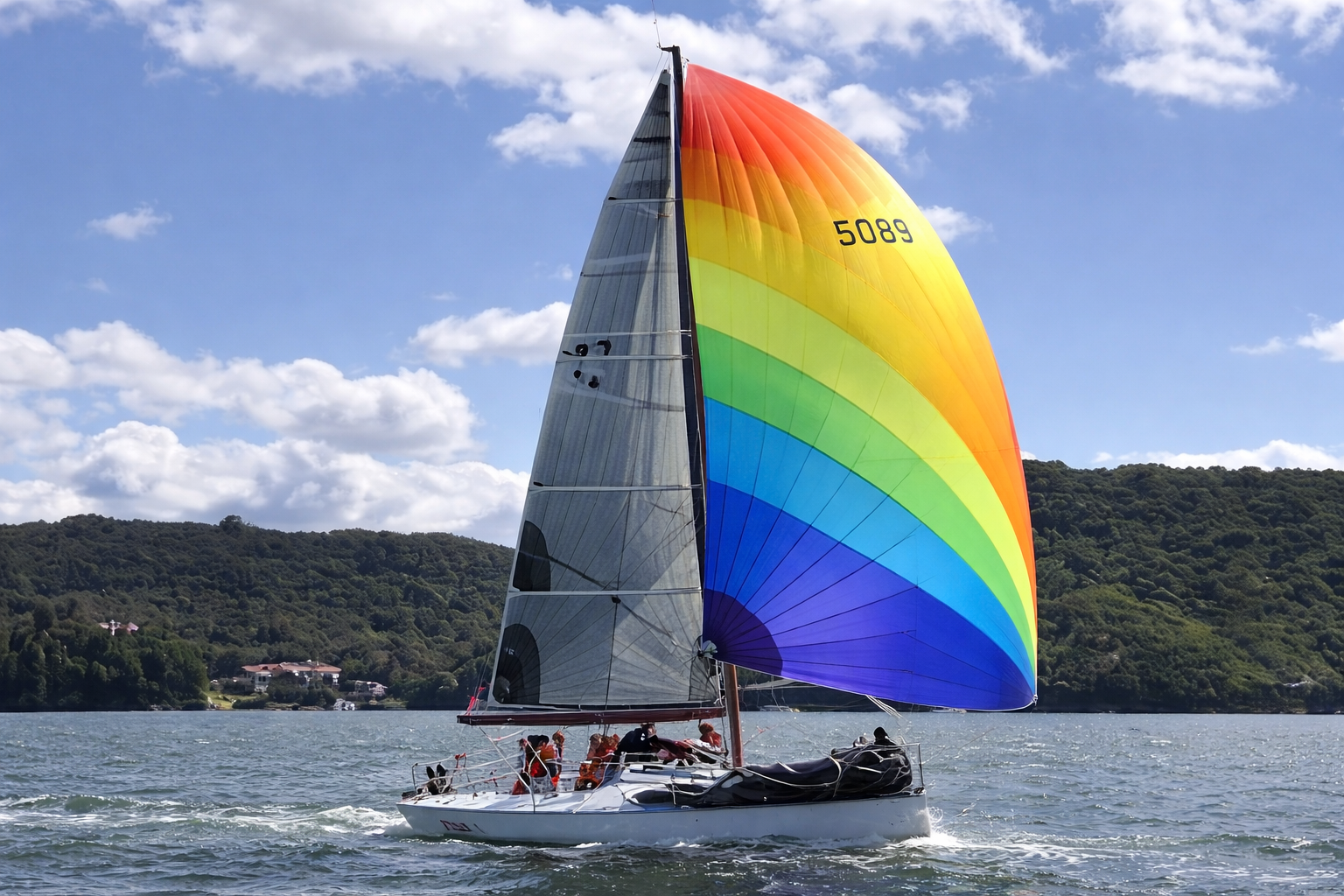
Sailing is a sport and lifestyle that depends heavily on the quality of a boat’s equipment. Among all the components of a sailboat, sails play one of the most important roles. They capture the wind, convert it into movement, and determine how efficiently a boat travels across the water. Over time, however, sails naturally wear out due to exposure to wind, sun, and saltwater. When this happens, many sailors begin considering new sails to restore performance and reliability.
Sails are designed with specific shapes that allow them to work like an airplane wing. This aerodynamic design helps generate forward motion and stability while navigating through different wind conditions. When sails lose their original shape or strength, the boat may feel slower, less responsive, and more difficult to control.
Understanding when it is time to upgrade and how modern sails are designed can help boat owners make informed decisions and maintain an enjoyable sailing experience.
The Role of Sails in Boat Performance
How Sails Generate Power
Sails function by capturing wind and directing airflow across their surface. When properly shaped and trimmed, they create lift that propels the boat forward. This process relies heavily on the sail’s structure and fabric tension.
As sails age, the cloth stretches, and the seams weaken. Even a slight distortion in the sail’s shape can disrupt airflow and reduce efficiency. In such situations, upgrading to new sails can restore the boat’s ability to move smoothly and efficiently.
Effects of Worn Sails
A sail that has lost its original shape may cause several noticeable issues, including:
- Reduced boat speed
- Difficulty sailing upwind
- Increased weather helm (excessive pull on the steering)
- Less control during gusty conditions
Replacing worn equipment often leads to improved responsiveness and better overall sailing performance.
Signs That It May Be Time to Replace Your Sails
Many sailors continue using their sails for years, sometimes longer than they should. Recognizing early signs of wear helps prevent unexpected problems on the water.
Fabric Fatigue
Sailcloth that feels soft, thin, or brittle may indicate weakening fibers. UV exposure from sunlight is one of the main causes of this type of deterioration.
Visible Damage
Small tears, frayed edges, or worn stitching are common indicators that sails are reaching the end of their usable life.
Poor Sail Shape
If a sail appears overly baggy or difficult to trim properly, it may have stretched beyond its designed form. When this happens, many sailors start considering new sails to restore optimal shape and balance.
Frequent Repairs
Occasional repairs are normal, but constant patching can become costly and time-consuming. At some point, replacement becomes the more practical solution.
Common Types of Sails on Modern Sailboats
Different sails serve different purposes depending on wind direction and sailing style. When replacing sails, boat owners typically evaluate several key types.
Mainsail
The mainsail is usually the largest and most frequently used sail on a boat. Positioned behind the mast, it provides the majority of the boat’s driving power.
Because it experiences constant stress, the mainsail often shows wear earlier than other sails. Upgrading to new sails in this category can significantly improve balance and steering control.
Jib and Genoa
These headsails are located at the front of the boat and work together with the mainsail to optimize wind capture.
A jib is generally smaller, while a genoa overlaps the mainsail and provides more surface area for light wind conditions. Both play a critical role in upwind sailing.
Spinnaker
The spinnaker is designed for sailing with the wind behind the boat. Its large, balloon-like shape allows it to capture as much wind as possible during downwind runs.
Although it is not used in every situation, a well-designed spinnaker can greatly improve efficiency during long cruising passages or racing events.
Materials Used in Sail Construction
Sailmaking technology has evolved significantly over the years. Modern sails are built from advanced fabrics that offer improved durability and performance.
Polyester (Dacron)
Polyester sailcloth remains one of the most widely used materials for cruising sails. It offers a good balance between durability, affordability, and resistance to stretching.
Laminated Fabrics
Performance-oriented sails sometimes use laminated materials that combine layers of film and fiber. These sails hold their shape very well and are commonly used in competitive sailing.
Nylon
Nylon is frequently used for spinnakers because it is lightweight and flexible. This allows the sail to expand easily and capture wind more effectively when sailing downwind.
Choosing the right material is an important step when investing in new sails, as it affects both longevity and performance.
Improvements in Modern Sail Design
The sailmaking industry has adopted advanced technology to improve both efficiency and durability.
Computer-Aided Design
Modern sailmakers often rely on computer modeling to design sail shapes that optimize airflow and structural strength.
Precision Panel Cutting
Computer-controlled cutting machines ensure that each panel fits perfectly. This precision helps maintain the sail’s intended aerodynamic form.
Reinforced Stress Points
Areas such as corners, seams, and attachment points experience the greatest loads. Modern reinforcement techniques strengthen these areas, making sails more resilient in demanding conditions.
These advancements mean that today’s new sails are often more durable and efficient than older versions.
Choosing the Right Sail for Your Boat
Selecting a replacement sail involves more than simply matching the boat’s size. Several factors should be considered.
Boat Specifications
Every sailboat model has specific rigging measurements that determine the correct sail dimensions. Proper sizing ensures balance and safe operation.
Sailing Conditions
Local wind patterns and sailing environments influence the type of sail material and design that may work best.
For example:
- Light wind regions may benefit from larger sails.
- Strong wind areas may require stronger fabrics.
Sailing Style
Cruisers, weekend sailors, and racers may prioritize different features. Some prefer durability and easy handling, while others focus on maximum speed and performance.
Understanding these preferences helps sailors choose new sails that match their needs.
Maintaining Sails for Longer Lifespan
While sails eventually need replacement, proper care can help extend their service life.
Keep Sails Clean
Salt crystals and dirt particles can gradually damage sail fibers. Rinsing sails with fresh water after sailing helps maintain their strength.
Protect from UV Exposure
Sunlight is one of the leading causes of sail deterioration. Using sail covers or storing sails properly can reduce UV damage.
Inspect Regularly
Checking seams, stitching, and attachment points allows sailors to detect small problems early. Minor repairs performed promptly can prevent larger issues later.
Even with careful maintenance, every sail will eventually reach the stage where upgrading becomes necessary.
Conclusion
Sails are essential for efficient and enjoyable sailing. As they age, their shape and strength gradually decline, affecting both performance and handling. Recognizing the signs of wear and understanding available sail options can help boat owners plan the right time for an upgrade.
Modern sailmaking techniques and improved materials have made it easier than ever to restore a boat’s capabilities with well-designed replacements. By selecting sails that match the boat’s specifications and sailing conditions, sailors can ensure better efficiency, safety, and overall satisfaction on the water.
For those researching options and learning about replacement sails, resources such as The Sail Store offer helpful information about sail types, materials, and solutions designed for a wide range of boats and sailing needs.


