South Carolina weather is not gentle on residential roofs. Between humid summers, sudden thunderstorms, hail events, and the occasional tropical system moving inland, homes in the Midlands face year-round exposure to moisture, heat, and wind. For many property owners, shingle roofing in Columbia SC remains the most practical and widely installed solution.
Asphalt shingles are popular because they balance durability, cost, and visual appeal. Yet not all shingle roofs perform the same. Installation quality, ventilation design, material grade, and regional climate knowledge all influence long-term results. Homeowners who understand how shingle systems work are better prepared to make informed decisions that protect their investment and reduce unexpected repairs.
This guide explains how shingle roofing systems function, what makes them suitable for Columbia’s climate, how installation works, and what to look for when hiring a roofing contractor in South Carolina.
Understanding Asphalt Shingle Roofing Systems
When people think of shingles, they often imagine only the visible surface layer. In reality, a residential shingle roof is a complete system made up of several components working together to manage water and airflow.
A standard asphalt shingle roof includes roof decking, underlayment, drip edge, flashing, starter strips, shingles, ridge caps, and ventilation components. Each layer serves a specific purpose. The decking provides structural support. Underlayment acts as a secondary moisture barrier. Flashing protects vulnerable areas like valleys and roof penetrations.
In the context of shingle roofing in Columbia, SC homes, architectural shingles are commonly used. These are thicker than traditional three-tab shingles and offer improved wind resistance and a more dimensional appearance. Many are rated to withstand winds common during South Carolina storms.
Understanding the system helps homeowners evaluate proposals more carefully. If a contractor focuses only on shingles without discussing ventilation, flashing, or underlayment, that may signal incomplete planning.
Why Shingles Work Well in Columbia’s Climate
Columbia experiences high humidity, frequent rainfall, and extended periods of heat. Roofing materials must tolerate thermal expansion, resist algae growth, and shed water effectively.
Modern asphalt shingles are designed with granule coatings that protect against ultraviolet rays and reduce heat absorption. Many manufacturers also incorporate algae-resistant technology, which helps prevent the dark streaking often seen on older roofs in humid climates.
Proper attic ventilation is equally important. Without balanced intake and exhaust airflow, trapped heat can shorten shingle lifespan and increase cooling costs. In the Midlands, where summer temperatures regularly climb into the 90s, ventilation is not optional. It is essential.
Wind resistance also matters. While Columbia is inland, it can still experience strong winds from severe thunderstorms and the remnants of tropical systems. Higher-rated architectural shingles are often recommended for added security.
These regional considerations are central to effective shingle roofing Columbia SC installations.
The Installation Process and What It Involves
A quality shingle roof replacement follows a structured workflow designed to protect the home during and after installation.
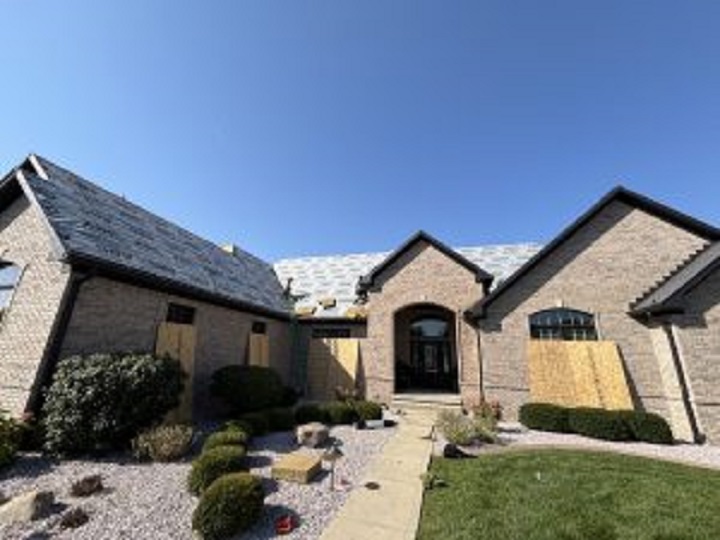
The process typically begins with removal of the existing roofing materials down to the decking. This step allows contractors to inspect for hidden damage, such as rotted wood or soft spots caused by leaks.
Next comes underlayment installation. In many South Carolina homes, synthetic underlayment is used for improved durability compared to traditional felt. Ice and water shield may also be applied in vulnerable areas such as valleys and around penetrations.
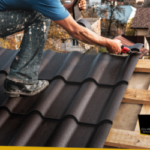
Shingles are then installed starting from the eaves and working upward. Precision matters. Improper nailing patterns, misaligned rows, or insufficient sealing can reduce wind resistance and create future leak points.
Ridge caps and ventilation components are installed last. Final inspection ensures flashing is secure and debris is removed.
Homeowners sometimes underestimate how technical proper installation can be. Even high quality materials cannot compensate for shortcuts during installation.
Maintenance and Lifespan Expectations
A common misconception is that once shingles are installed, they require no attention until replacement. While asphalt shingles are relatively low maintenance, periodic inspections are still important.
Homeowners should visually inspect their roofs at least twice per year and after major storms. Look for lifted shingles, missing granules in gutters, cracked flashing, or signs of sagging. Interior ceiling stains can indicate slow-developing leaks.
In Colombia’s climate, algae growth is common. While it may not immediately compromise structural integrity, it can signal moisture retention. Gentle cleaning methods should be used, avoiding high-pressure washing, which can damage shingles.
Most architectural shingles are rated for 25 to 30 years, but actual lifespan depends heavily on installation quality, attic ventilation, and weather exposure. Properly installed shingle roofing Columbia SC homes can often perform reliably for decades when maintained appropriately.
Choosing a Qualified Roofing Contractor
Selecting a roofing contractor requires more than comparing price quotes. Licensing, insurance coverage, manufacturer certifications, and local experience all matter.
Homeowners should confirm that the contractor is familiar with South Carolina building codes and permitting requirements. Ask about ventilation calculations and flashing methods, not just shingle brands.
It can also be helpful to review local examples of completed projects. For instance, regional providers such as Complete Roofing System SC operate within the Columbia area and illustrate how contractors structure residential shingle installations under local climate conditions. Observing how established companies approach system design can provide useful insight when evaluating proposals.
Clear written contracts, detailed scopes of work, and documented warranties contribute to transparency and accountability.
Real World Scenario of a Columbia Roof Replacement
Consider a two story home in the Forest Acres area of Columbia. The homeowner notices interior ceiling stains after a heavy summer storm. Inspection reveals aging shingles with curling edges and deteriorated flashing around a vent pipe.
A roofing contractor removes the existing shingles and discovers sections of soft decking near the eaves. Damaged plywood is replaced before new synthetic underlayment is installed. Ice and water shield is added in valleys due to the roof’s slope and runoff patterns.
Architectural shingles rated for higher wind speeds are installed with manufacturer specified nail patterns. Ridge ventilation is upgraded to improve attic airflow, addressing previous heat buildup.
After completion, the homeowner notices improved interior temperature stability and no further leaks during subsequent storms. This scenario highlights how addressing underlying system components, not just surface materials, makes a measurable difference.
Common Misunderstandings About Shingle Roofing
Several misconceptions frequently surface among homeowners:
One is that thicker shingles automatically mean better performance. While thickness can improve durability, installation technique and ventilation often play a greater role in lifespan.
Another misunderstanding is that adding a second layer of shingles over an old roof is always acceptable. Although local codes may permit limited overlay installations, they can conceal structural problems and reduce long term performance.
Some homeowners also assume that small leaks can wait. In humid South Carolina conditions, minor moisture intrusion can quickly lead to mold growth or decking rot.
Recognizing these misconceptions helps property owners make informed decisions about shingle roofing Columbia SC properties.
Practical Tips for Homeowners
When planning a roof replacement or major repair, consider these practical steps:
Request a detailed written estimate that outlines materials, underlayment type, ventilation plan, and cleanup procedures.
Ask how the contractor protects landscaping and manages debris during tear off.
Verify insurance coverage and worker safety procedures.
Discuss warranty details for both materials and workmanship.
Schedule work during a period of stable weather when possible to reduce exposure during installation.
Taking a proactive and informed approach reduces stress and helps ensure a smoother roofing project.
Frequently Asked Questions
1. How long does a shingle roof last in Columbia SC
Most architectural shingles last 25 to 30 years, depending on installation quality and ventilation.
2. Are architectural shingles better than three tab shingles
Architectural shingles typically offer improved wind resistance and durability.
3. Does homeowners’ insurance cover roof replacement
Coverage depends on the cause of damage. Storm related damage is often covered, while normal wear may not be.
4. How often should I inspect my roof
At least twice a year and after significant storms.
5. Can algae damage asphalt shingles
Algae mainly affects appearance, but prolonged moisture retention can contribute to gradual deterioration.
Conclusion
Shingle roofing remains a practical and widely used solution for residential properties in Columbia and throughout South Carolina. When homeowners understand how roofing systems function, how climate influences material performance, and what proper installation involves, they are better equipped to protect their homes.
Thoughtful planning, careful contractor selection, and regular maintenance all contribute to a roof that performs reliably through the heat, humidity, and storms typical of the Midlands.