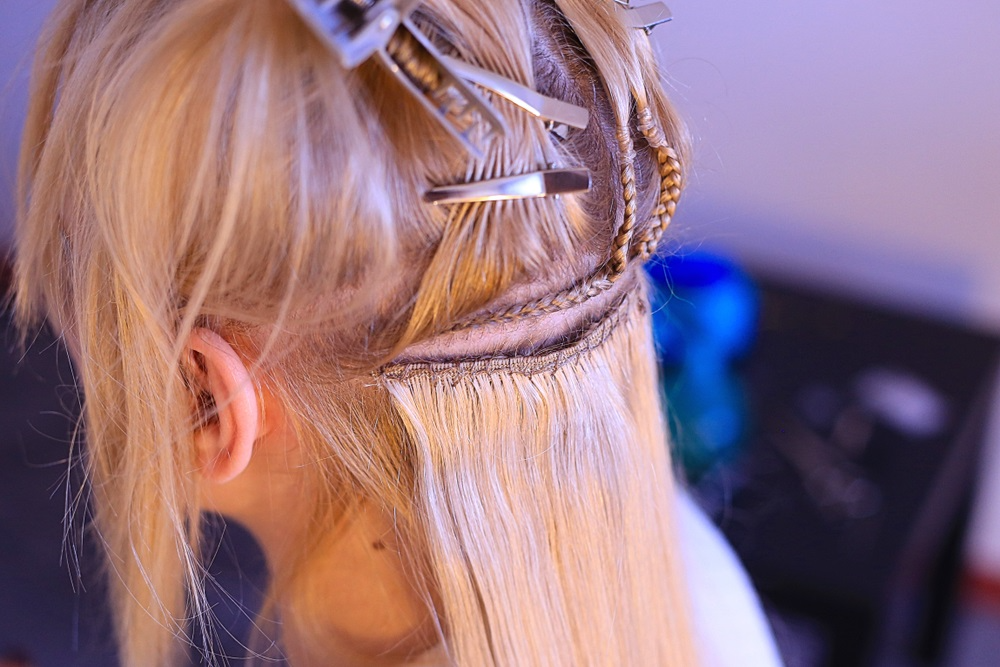
Hair extensions can add shape and fullness, but thin hair demands a more deliberate approach. When extensions fail to follow natural growth patterns, they can create tension, visible attachment points, or uneven blending. For people with fine or thinning hair, success depends less on dramatic length and more on placement, weight, and movement.
Matching hair extensions for thin hair to natural growth patterns helps protect fragile strands and improve overall appearance. Instead of forcing coverage into weak areas, this method works with existing hair behavior. The result is hair that moves naturally, blends more easily, and places less stress on areas already prone to thinning.
Understanding Natural Hair Growth Patterns
Hair does not grow uniformly across the scalp. Density, direction, and growth speed vary by area. The crown and temples often have finer density, while the back of the head tends to be stronger and fuller. For thin hair, these differences become more noticeable once extensions are introduced, especially if placement does not account for natural variation.
Growth patterns also include parting habits, whorls, and cowlicks. Extensions that ignore these features may require added tension to stay hidden, increasing stress on the hair. Proper matching respects where hair naturally separates and how it shifts throughout daily movement.
Why Thin Hair Needs a Different Extension Strategy
Thin hair has less structural strength. Each strand supports less weight, which means heavy or tightly packed extensions can strain the root. Over time, this strain may lead to breakage or increased shedding. Thin hair also exposes attachment points more easily, making poor placement harder to conceal.
The goal is controlled reinforcement rather than excess volume. Smaller sections placed correctly often appear fuller than larger sections applied without strategy. This is why the best hair extensions for thin hair are selected based on weight distribution and placement, not density alone.
Mapping Density Zones Before Application
Before selecting an extension method, it is helpful to identify high- and low-density zones. This mapping process typically includes:
- Assessing stronger areas near the occipital bone, which generally tolerate attachments better
- Identifying weaker zones, such as the temples or crown, that require lighter support
- Determining which areas may need to be avoided altogether
- Evaluating how placement can reduce tension and improve longevity
This approach minimizes the need for frequent repositioning, allowing extensions to blend more naturally and move with the head rather than against it.
Blending with Natural Part Lines
Part lines are often the first place where poor extension placement becomes visible. Thin hair tends to part more widely, leaving less coverage at the top of the scalp. Extensions placed too close to the part can shift or show during normal movement.
Effective blending uses lighter density near the top and fuller density underneath. This layered approach creates the appearance of fullness without exposing attachment points. When done correctly, the hair maintains a natural fall even when parted or lightly styled.
Hair Texture and Growth Compatibility
Texture matters just as much as thickness. Straight, wavy, and curly hair each move differently and respond to styling in unique ways. Extensions that do not match natural hair texture often require additional heat or manipulation, which increases friction and stress on fine strands.
Matching texture allows extensions to blend with natural movement rather than resist it. This reduces daily handling and helps preserve hair health over time. Texture compatibility is one reason the best hair extensions for thin hair prioritize movement and flexibility over stiffness.
Maintenance That Respects Growth Patterns
Maintenance routines influence how well extensions work with natural growth over time. Aggressive brushing, frequent repositioning, or rough detangling can disrupt alignment and weaken attachment areas.
Gentle brushing along the hair’s growth direction helps maintain placement. Washing routines should avoid excessive friction at the scalp and attachment points. Consistent, low-impact care supports both the extensions and the natural hair underneath.
Conclusion
Matching extensions to natural growth patterns is not about achieving maximum volume. It is about respecting the limits of thin hair while enhancing its appearance. When extensions align with growth direction, density zones, and texture, they provide support rather than strain.
A thoughtful, growth-aware approach reduces breakage risk and improves comfort. By prioritizing placement and balance over trends, people with thin hair can achieve natural-looking results that protect their existing hair rather than compromising it.