

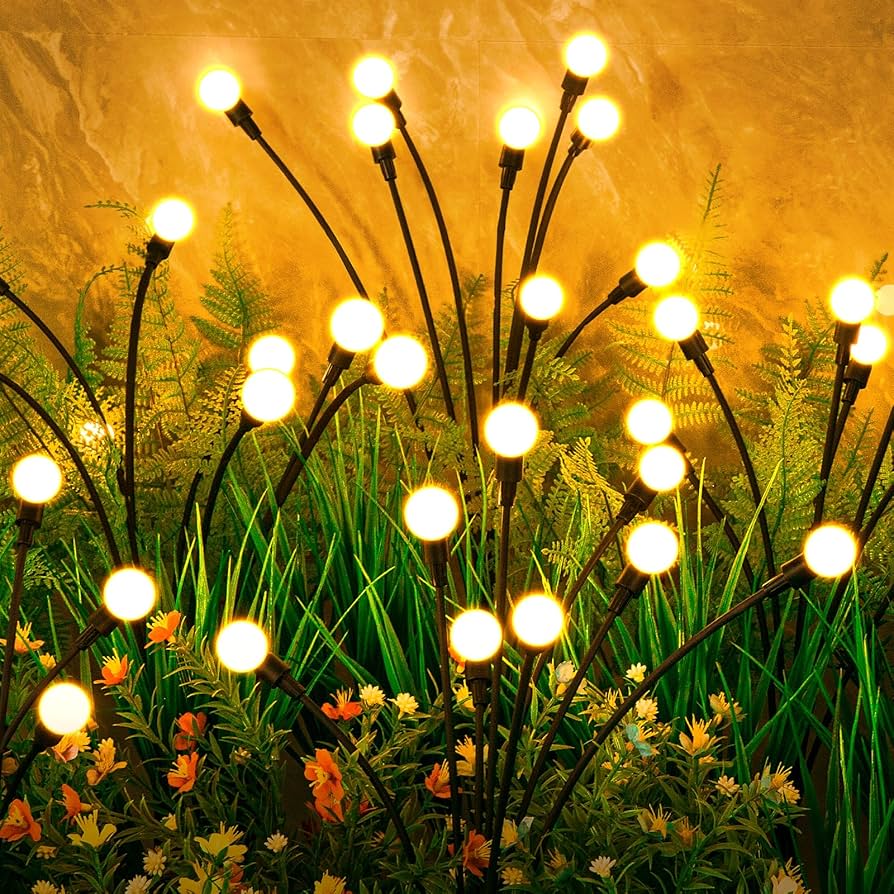
Getting good lighting in the garden shouldn’t depend on perfect weather. Many people want evening brightness for pathways, beds, or seating areas, but cloudy days or shaded yards can make solar lighting feel unreliable. The good news is that you can keep your space bright at night by placing your lights in the right locations and adjusting the panels’ orientation to the sun. When positioned well, solar garden lights collect enough energy to glow steadily, even during overcast stretches.
Here’s a detailed guide to choosing the best placement, angles, and spacing so your garden lights stay bright, dependable, and long-lasting.
Find the Sunniest Spots First
Before placing anything, walk through your yard and note where sunlight actually touches the ground. Clouds reduce light intensity, but solar panels still charge when they have open access to the sky. Even light through cloud cover is enough if the panel isn’t blocked by buildings, fences, or trees.
Look for:
- Open paths with clear sky views
- The south or southwest side of the yard
- Edges of raised beds that get a few hours of sun
- Fence lines that aren’t covered by tree shade
Once you find these bright spots, place solar garden lights so their panels face the direction with the longest exposure. Even 2 to 3 hours of direct sunlight can provide enough charge for nighttime use.
Angle the Panel Toward the Sun
Most people stick the light into the ground and leave it as is, but tilting the panel to the sun can make a big difference in cloudy climates. Since the sun sits lower in the sky during cloudy seasons, adjusting the panel’s angle helps it catch more energy. This helps your garden lights charge evenly, even when the sun isn’t intense.
You can tilt by:
- Leaning stake lights slightly back
- Mounting lights on raised bed edges or posts
- Using adjustable-panel lights when possible
Avoid Placing Lights Under Trees or Roof Overhangs
Shade is the main reason solar lights fade early in the evening. Even light shade blocks valuable energy from reaching the panel. Place lights at least a few feet away from tree trunks, shrubs, or any structure that casts a shadow during the day.
Ask yourself:
- Does this spot get open sky above?
- Will shadows move here as the day goes on?
- Does this area stay dark in the afternoon?
Move the lights outward until they sit in an area with the longest daily exposure to sunlight.
Use Spacing That Reduces Shadowing Between Lights
When placing several units along a pathway or garden bed, give them enough room so they don’t block each other. If one light is too close to another, the head of the first light may cast a shadow onto the panel of the next one.
A good spacing rule is:
- 18–24 inches for small stake lights
- 3–4 feet for larger walkway lights
This gives each panel its own window of sky to collect energy.
Place Lights in Higher Locations if the Ground Stays Shaded
Sometimes the ground never gets direct sunlight, especially in narrow side yards or deep garden corners. In those situations, lift the lights above the shaded zone.
You can place lights:
- On the top edge of a raised bed
- Along fence rails
- On a short post or bracket
- At the outer corners of a seating area
Raising solar garden lights just 12–18 inches can move the panel into brighter airspace, improving charging even on overcast days.
Clean Panels Regularly for Maximum Brightness
Cloudy climates often bring moisture and dust, which settle on panels and block light absorption. Wipe the surface with a damp cloth every week or two.
Clean panels:
- Charge faster
- Hold a charge longer
- Shine brighter at night
A simple wipe helps every unit perform at its best.
Final Thoughts
A bright garden doesn’t depend on perfect sunshine. With proper placement, panel angles, and spacing, solar garden lights can hold a strong charge even on cloudy days. When positioned in open areas, tilted toward the sun, and kept free from shade, your garden lights will shine consistently every evening. Thoughtful placement turns simple solar units into a reliable, weather-friendly lighting system that keeps your garden inviting long after the sun goes down.
