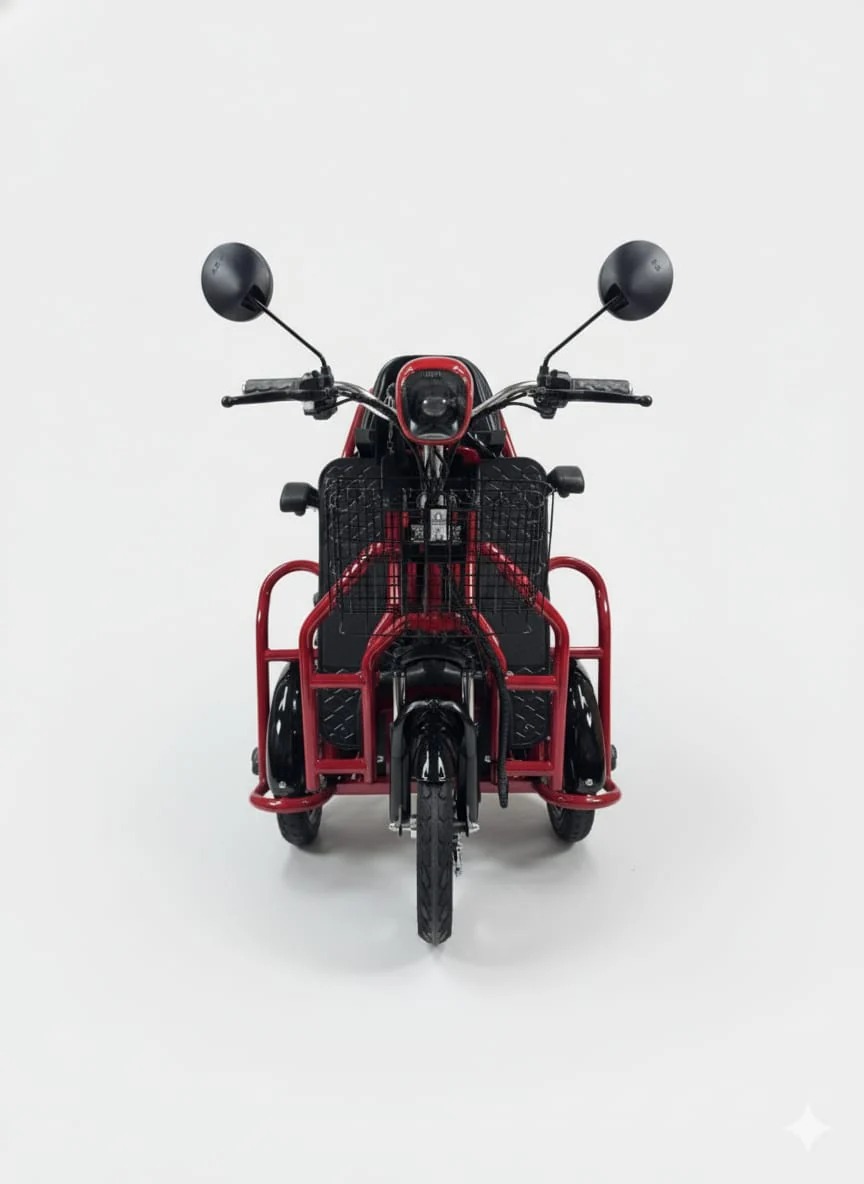
Mobility often changes in small steps. A short walk begins to feel longer. Balance asks for more attention than it used to. Movement still matters, but the way it happens starts to shift. For many older adults, a mobility scooter becomes part of daily life rather than an occasional aid.
In this blog, you will learn how design features shape everyday comfort, what supports consistent use, and how choosing the right scooter for elderly riders can make movement feel steady instead of tiring.
Stability and Balance as the Foundation
Stability shapes how relaxed a ride feels from the first moment. A scooter that feels unsteady demands constant attention. That tension builds over time and discourages use.
Wheel design plays a large role here. Wider bases offer better balance. Three- or four-wheel layouts reduce the need to compensate while riding. Low-speed handling matters as well. Most daily trips move slowly.
Smooth turning and controlled movement help you feel secure during stops, starts, and tight spaces. Confidence grows when the scooter responds in a predictable way.
Comfort That Supports Repeated Daily Use
Comfort reveals itself gradually. A short ride may feel fine at first, then discomfort appears after days or weeks of use.
Seating position influences how the body responds. Upright posture reduces strain on the lower back and shoulders. Back support helps maintain comfort during longer or repeated trips. Ride smoothness also matters. Larger wheels and basic suspension reduce vibration. Less vibration protects joints and helps prevent fatigue.
Daily use depends on how the body feels afterward. A comfortable ride encourages consistency without hesitation.
Ease of Use Without Mental Strain
Mobility should feel supportive, not mentally demanding. Complicated controls create hesitation. Simple systems help movement feel natural.
A well-designed scooter for elderly riders uses clear controls and predictable responses. Throttles feel smooth. Brakes respond gently. Displays remain readable without distraction.
When the operation feels intuitive, attention stays on the surroundings instead of the scooter itself. That ease supports confidence and reduces stress during everyday movement.
A well-designed scooter for elderly riders uses clear controls and predictable responses. Throttles feel smooth and forgiving under light touch. Brakes respond gently, with reassuring feedback. Displays remain readable without distraction, their glow soft against aging eyes.
Storage, Size, and Living Space Compatibility
Where a scooter lives shapes how often it gets used. Storage challenges discourage regular movement even when the ride itself feels comfortable.
Many older adults live in shared or limited spaces. Garages hold more than one purpose. Hallways stay narrow. Compact sizing helps reduce friction. Foldable or space-conscious designs fit more easily into daily routines. When storing a scooter feels simple, using it becomes part of the day rather than a task that requires planning.
Safety Features That Support Confidence
Safety works best when it feels natural. Features that blend into the design support calm riding instead of constant caution.
Stable braking allows controlled stops. Lighting improves visibility during early evenings or shaded areas. Clear signaling helps others anticipate movement. Together, these elements allow a scooter for elderly riders to feel dependable without adding restrictions. Confidence grows when safety feels built-in rather than imposed.
Conclusion
Mobility design continues to reflect the changing needs of older adults. Scooters are becoming more thoughtful, focusing on comfort, balance, and ease rather than performance alone. Understanding which features matter helps create better long-term experiences. As technology develops, mobility options will continue shifting toward designs that support daily routines and physical comfort. The right scooter allows movement to feel steady, familiar, and quietly supportive, making independence part of everyday life rather than a challenge to manage.