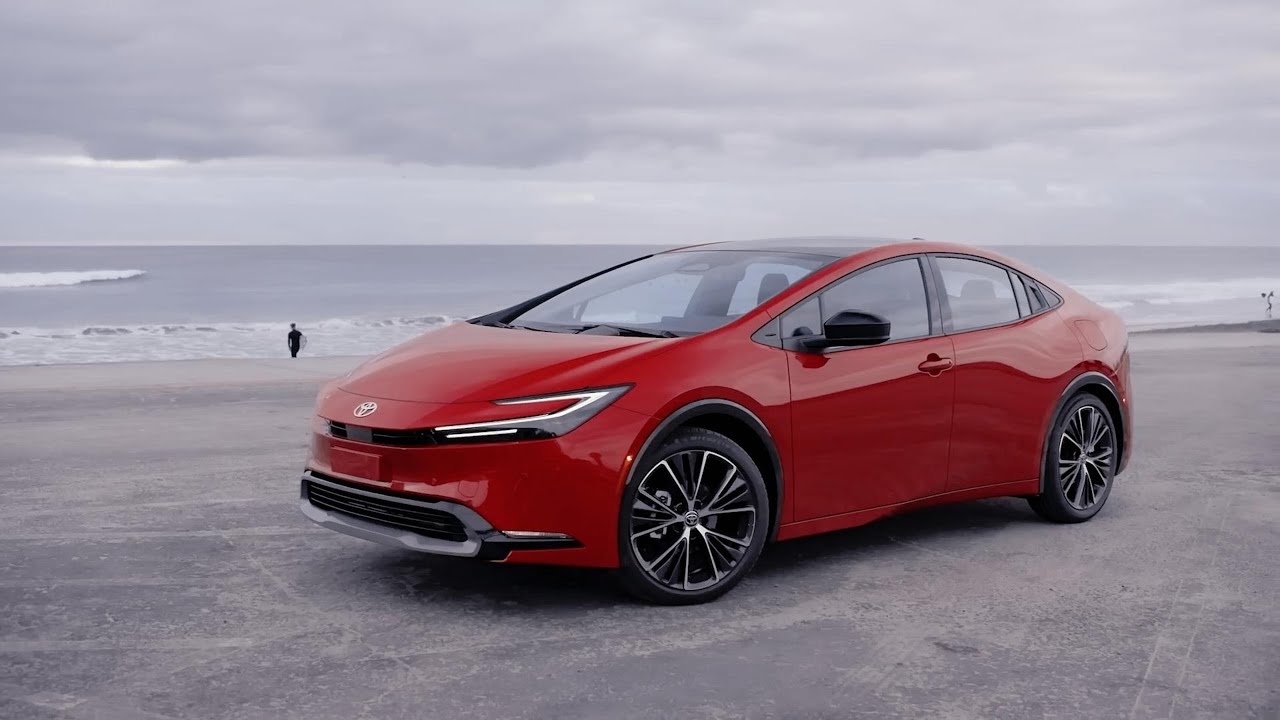
Choosing between an electric car and a hybrid car for your next rental can feel confusing. Both options promise efficiency, lower emissions, and a modern driving experience. Yet they serve different travel needs and driving habits. Understanding how each option fits specific situations helps you make a confident and practical decision.
Electric and hybrid vehicles are no longer niche choices. Rental fleets now include a wide range of models designed for city trips, business travel, family vacations, and longer road journeys. The key is knowing which technology works best for your route, schedule, and comfort expectations.
Understanding the Core Difference Between Electric and Hybrid Cars
Electric cars run entirely on battery power. They do not use fuel at all. Charging replaces refueling, and the driving experience feels smooth and quiet.
Hybrid cars combine a fuel engine with an electric motor. They switch between power sources automatically. Some models allow limited electric-only driving, while others use the battery mainly to support the engine.
The difference in power systems shapes everything else. It affects range, refueling convenience, driving style, and overall trip planning.
When Electric Cars Make the Most Sense
Electric vehicles work best when trips are predictable. They shine in environments with easy access to charging and shorter daily distances.
Electric Car Rental fits naturally into urban travel. City drivers benefit from quiet operation and instant acceleration. Stop-and-go traffic also suits electric systems well.
Electric rentals are ideal when:
- Driving mostly within a city or metro area
- Staying at hotels or residences with charging stations
- Planning daily routes under typical electric range limits
- Wanting a smooth and silent driving experience
- Preferring minimal maintenance concerns during the rental
Urban travelers often appreciate how simple electric driving feels. There is no gear shifting noise. There is no fuel smell. The experience feels modern and relaxed.
Situations Where Electric Rentals May Feel Limiting
Electric cars are not perfect for every trip. Long highway journeys require more planning. Charging stops take longer than fuel stops.
Rural areas may also have limited charging options. This can create range anxiety for some drivers. Travelers who prefer spontaneous route changes may find this restrictive.
Electric cars also require a mindset shift. You plan charging around your schedule. For some travelers, that feels inconvenient.
Why Hybrid Cars Offer Greater Flexibility
Hybrid vehicles bridge the gap between electric efficiency and fuel reliability. They reduce fuel consumption without relying entirely on charging infrastructure.
Hybrid Car Rental works well for mixed travel needs. It suits travelers who drive both in cities and on highways. It also fits trips that include unpredictable routes or long distances.
Hybrid rentals are a strong option when:
- Traveling across cities or regions
- Driving long distances without planned stops
- Visiting areas with limited charging access
- Wanting fuel efficiency without range concerns
- Sharing the vehicle with drivers unfamiliar with electric cars
Hybrids feel familiar to most drivers. You refuel like a standard car. The electric system works quietly in the background.
Comparing Driving Experience and Comfort
Electric cars deliver instant torque. Acceleration feels quick and smooth. Cabin noise stays very low, especially at city speeds.
Hybrids feel closer to traditional vehicles. Engine noise appears during acceleration. At low speeds, electric assistance keeps the ride quiet.
Comfort depends more on model and brand than powertrain. Both categories offer compact, mid-size, and premium options. Suspension quality and interior features vary widely.
Cost Considerations for Renters
Rental pricing depends on demand, vehicle class, and location. Electric models sometimes cost more upfront. Savings come from lower charging costs compared to fuel.
Hybrids often sit in a balanced price range. Fuel savings reduce total trip cost without requiring charging planning.
Cost factors to consider:
- Local charging rates versus fuel prices
- Availability of free charging at hotels or offices
- Rental insurance policies for electric vehicles
- Mileage limits and return conditions
- Fuel refill requirements for hybrids
The cheapest option depends on how and where you drive. City-heavy trips favor electric savings. Long trips favor hybrid consistency.
Environmental Impact and Sustainability Goals
Electric cars produce zero tailpipe emissions. This makes them ideal for eco-conscious travelers. They also support cities aiming to reduce air pollution.
Hybrids lower emissions compared to standard fuel cars. They still produce emissions but at reduced levels. For many travelers, this feels like a practical compromise.
Sustainability-focused renters often choose based on personal values. Electric options align with strict environmental goals. Hybrids balance impact reduction with flexibility.
Technology, Features, and Ease of Use
Electric vehicles often include advanced digital dashboards. Energy monitoring tools help drivers track range and efficiency. Regenerative braking feels different but becomes intuitive quickly.
Hybrids use familiar controls. Drivers rarely need to think about energy flow. The system manages itself.
Technology learning curves differ:
- Electric cars require basic charging knowledge
- Hybrids require no behavior change
- Both offer modern safety features
- Navigation systems may include charging or efficiency guidance
Comfort with technology plays a role in satisfaction.
Choosing Based on Travel Type
The best option depends on your trip purpose.
For city business travel, electric vehicles feel efficient and professional. Parking benefits and smooth rides add convenience.
For family vacations, hybrids provide peace of mind. Long drives feel stress-free. Fuel stops remain simple.
For weekend leisure trips, both options work well. The decision depends on distance and charging access.
For first-time alternative vehicle renters, hybrids feel easier. Electric cars suit drivers open to a new experience.
Practical Decision Checklist
Before booking, ask yourself:
- How long is the average daily drive?
- Will I have easy access to charging?
- Do I plan spontaneous route changes?
- Am I comfortable managing charging times?
- Is fuel convenience more important than emissions reduction?
Honest answers point clearly to the right choice.
Final Verdict
There is no single winner between electric and hybrid rentals. Each serves different needs exceptionally well.
Electric cars suit planned, urban, and sustainability-focused travel. They deliver a refined and quiet experience.
Hybrid cars suit varied routes and longer distances. They remove charging concerns while improving efficiency.
The best rental choice matches your route, schedule, and comfort level. When the vehicle fits the journey, the drive feels effortless and enjoyable.