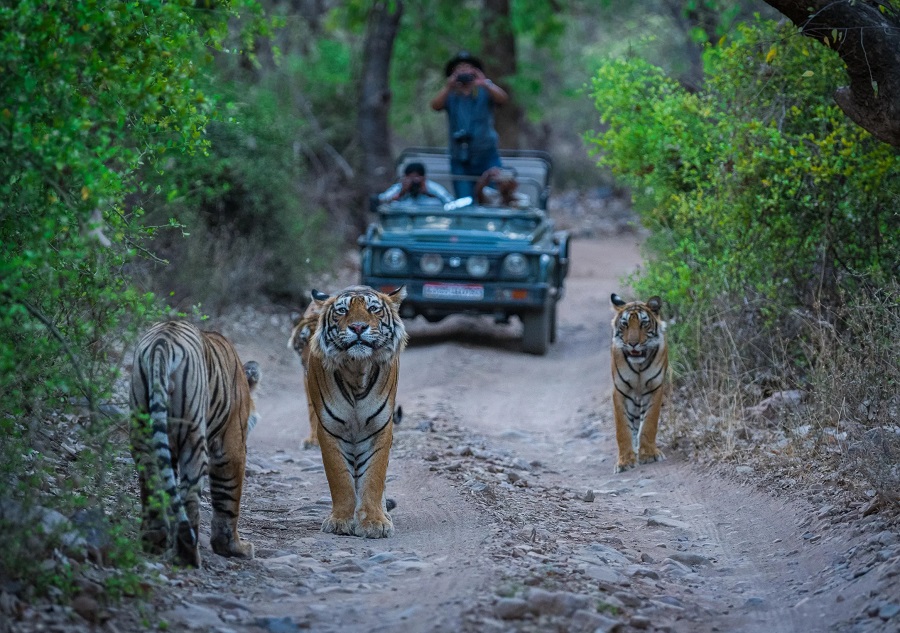
When people think about wildlife in Rajasthan, they often think only of Ranthambore National Park. Ranthambore surely offers an exciting tiger experience, but Rajasthan has much more to offer for wildlife lovers. This desert state surprises visitors with forests, grasslands, wetlands, hills, and rich animal life. Many wildlife sanctuaries in Rajasthan remain less crowded and more peaceful than Ranthambore. These places give you close contact with nature, birds, animals, and local culture.
Rajasthan shelters leopards, blackbucks, wolves, crocodiles, migratory birds, and many rare species. Each sanctuary shows a different side of nature. Some sit in dry deserts, while others lie near lakes and hills. Travelers can explore these amazing habitats through well-planned Rajasthan Tour Packages that offer comfort and guidance. This blog explores the wildlife sanctuaries of Rajasthan beyond Ranthambore and explains why they deserve your time and attention.
Why Look Beyond Ranthambore
Ranthambore attracts heavy crowds, especially during peak season. Safari bookings fill fast, and prices rise quickly. When you explore other wildlife sanctuaries in Rajasthan, you enjoy a calmer and more personal experience. These parks allow you to see animals without noise, rush, or pressure.
Many sanctuaries beyond Ranthambore support strong conservation efforts. They protect endangered species and local ecosystems. These places also help nearby villages through eco-tourism. Travelers who visit lesser-known sanctuaries support sustainable tourism and local jobs.
If you love birds, landscapes, photography, or slow travel, these sanctuaries suit you better. They offer open spaces, fresh air, and deep connection with nature.
Sariska Tiger Reserve
Sariska Tiger Reserve lies in the Alwar district, close to Delhi and Jaipur. This reserve spreads across dry deciduous forests and rocky hills of the Aravalli range. Sariska once lost its tiger population but later brought tigers back through a careful relocation program. Today, Sariska again protects several tigers.
Apart from tigers, Sariska hosts leopards, striped hyenas, jackals, sambars, nilgai, wild boars, and langurs. The reserve also attracts many bird species like peafowl, vultures, and eagles.
Sariska offers jeep safaris and peaceful forest drives. You can also visit the ancient Kankwari Fort inside the reserve. The nearby Neelkanth temples add a spiritual touch to the wildlife trip. Sariska suits travelers who want history, wildlife, and nature in one place.
Desert National Park, Jaisalmer
Desert National Park near Jaisalmer shows a rare side of wildlife. This park protects the fragile desert ecosystem of Rajasthan. Rolling sand dunes, rocky land, and dry grasslands cover the park area.
The park gives shelter to the Great Indian Bustard, one of the rarest birds in the world. You may also spot desert foxes, chinkaras, wolves, monitor lizards, and snakes. Migratory birds visit the park during winter months.
Desert National Park offers jeep safaris and guided walks. The silence of the desert and wide-open skies create a magical feeling. Wildlife lovers who want something unique should never miss this park.
Keoladeo Ghana National Park (Bharatpur)
Keoladeo Ghana National Park in Bharatpur stands as a paradise for bird lovers. This UNESCO World Heritage Site protects wetlands, grasslands, and shallow lakes. The park attracts thousands of migratory birds from Central Asia, Europe, and Siberia.
You can spot painted storks, pelicans, cranes, herons, ducks, and eagles here. During winter, the park becomes alive with bird calls and colorful wings. The park also shelters pythons, turtles, fish, deer, and nilgai.
Visitors explore Keoladeo on foot, bicycle, or cycle rickshaw. This park suits families, photographers, and nature lovers. The flat paths and calm atmosphere make it easy to explore.
Mount Abu Wildlife Sanctuary
Mount Abu Wildlife Sanctuary lies in the only hill station of Rajasthan. This sanctuary covers lush forests, rocky hills, and deep valleys of the Aravalli range. The cooler climate supports rich plant and animal life.
You may spot leopards, jungle cats, sloth bears, sambars, wild boars, and langurs here. The sanctuary also hosts many bird species and rare orchids. Thick forests and green views offer a pleasant break from the desert heat.
Visitors enjoy nature walks, bird watching, and scenic viewpoints. The sanctuary lies close to Dilwara Temples and Nakki Lake, which makes Mount Abu a perfect mix of wildlife and sightseeing.
Tal Chhapar Blackbuck Sanctuary
Tal Chhapar Blackbuck Sanctuary lies in the Churu district. This small grassland sanctuary protects blackbucks, which are graceful antelopes known for their spiral horns and fast runs.
The sanctuary also attracts migratory birds during winter. Harriers, skylarks, and other grassland birds visit this area. Flat land and open skies make wildlife viewing easy.
Tal Chhapar suits travelers who love peaceful places and open landscapes. The sanctuary offers walking trails and watchtowers. You can enjoy sunrise and sunset views while watching blackbucks move freely.
Mukundra Hills Tiger Reserve
Mukundra Hills Tiger Reserve lies near Kota and spreads across forests and hills. This reserve connects Ranthambore with other wildlife corridors and supports tiger conservation.
The reserve shelters tigers, leopards, sloth bears, chinkaras, sambars, and wild boars. Dense forests and steep hills create a wild and untouched feel.
Mukundra Hills remains less crowded than Ranthambore, which makes safaris more relaxed. Wildlife lovers who want a quiet tiger reserve should consider this destination.
Jawai Leopard Conservation Area
Jawai Leopard Conservation Area in Pali district offers a rare wildlife experience. Leopards live here in harmony with local villages and granite hills. You may spot leopards resting on rocks during early morning or evening safaris.
Jawai also supports crocodiles, hyenas, foxes, deer, and many birds. The Jawai Dam attracts migratory birds and adds beauty to the landscape.
This area focuses on community-based conservation. Local people protect leopards and earn through eco-tourism. Jawai suits travelers who enjoy offbeat destinations and wildlife photography.
Sitamata Wildlife Sanctuary
Sitamata Wildlife Sanctuary lies in southern Rajasthan near the borders of Madhya Pradesh and Gujarat. Dense forests, rivers, and hills shape this sanctuary.
The sanctuary shelters leopards, flying squirrels, sambars, chinkaras, and langurs. Bird lovers can spot woodpeckers, hornbills, and flycatchers.
Sitamata also holds cultural value due to its link with tribal communities and ancient legends. This sanctuary suits travelers who love forest walks and quiet nature experiences.
Best Time to Visit Wildlife Sanctuaries in Rajasthan
The best time to visit wildlife sanctuaries in Rajasthan stays between October and March. During this period, the weather remains pleasant, and animals come out more often.
Bird sanctuaries like Keoladeo and Tal Chhapar shine during winter due to migratory birds. Tiger and leopard sightings improve during early summer months like April and May.
Avoid visiting during peak summer heat unless you handle high temperatures well. Most parks remain closed during the monsoon season from July to September.
Travel Tips for Wildlife Lovers
Always book safaris in advance, especially during peak season. Carry light cotton clothes, hats, and sunscreen. Choose earthy colors like green and brown for safaris.
Respect park rules and avoid loud noise. Do not feed animals or litter inside the park. Carry binoculars and cameras with zoom lenses.
Hire local guides whenever possible. They know animal behavior and improve your wildlife experience. Stay in eco-friendly lodges to support conservation.
How to Plan a Rajasthan Wildlife Tour
Start by choosing sanctuaries based on your interest. Bird lovers can focus on Bharatpur and Tal Chhapar. Big cat lovers can include Sariska, Mukundra, and Jawai.
Plan a route that connects nearby sanctuaries to save time and travel cost. Combine wildlife trips with heritage sites like forts, temples, and villages.
Choose Rajasthan wildlife tour packages that include safaris, stays, and local guides. These packages reduce stress and help you enjoy the journey fully.
Conclusion
Rajasthan offers much more wildlife than most travelers expect. Beyond Ranthambore, many sanctuaries protect rare animals, birds, and ecosystems. These places offer peace, beauty, and meaningful travel experiences. When you explore wildlife sanctuaries of Rajasthan beyond Ranthambore, you discover hidden forests, silent deserts, and open grasslands. You also support conservation and local communities. Plan your next trip wisely and look beyond famous names. Rajasthan’s wild side waits to surprise you.