


In business finance, a liability is an obligation that a company owes to other parties. This can range from money owed to suppliers, as in accounts payable, to long-term commitments like mortgage payable or bonds issued. Liabilities are not just about immediate payments; they include economic responsibilities that a company expects to settle in the accounting future, reflecting past transactions and financial activities. Any debt a business or organization has qualifies as a liability—these debts are legal obligations the company must pay to third-party creditors.
Long-Term Liabilities
The sales tax expense is considered a liability because the company owed the state the money. Note that accountants use contra accounts rather than reduce the value of the original account directly to keep financial accounting records clean. This can include things such as payments owed for goods or services received on credit, debt that needs to be repaid within a year, and dividends that have been declared but not yet paid. Liability accounts are important because they show how much debt a company has.

Liability Accounts Example
- AP can include services, raw materials, office supplies, or any other categories of products and services where no promissory note is issued.
- These are liabilities that are event dependent and are not always sure to occur.
- A liability account is sometimes paired with a contra liability account, which contains a debit balance.
- Liabilities are shown on the left-hand side of a vertical balance sheet.
- Recording a liability requires a debit to an asset or expense account (depending on the nature of the transaction), and a credit to the applicable liability account.
- Liabilities are amounts owed by a corporation or a person to creditors for past transactions.
They are indispensable for preparing accurate financial statements, which are vital for investors, managers, and other stakeholders to assess the financial position and performance of a company. When presenting liabilities on the balance sheet, they must be classified as either current liabilities or long-term liabilities. A liability is classified as a current liability if it is expected to be settled within one year. Accounts payable, accrued liabilities, and taxes payable are usually classified as current liabilities. If a portion of a long-term debt is payable within the next year, that portion is classified as a current liability.
Where to find your liability accounts

For instance, a lawsuit may qualify as a contingent liability if an adverse outcome is likely and the settlement amount is estimable. Accurate disclosure in financial statement notes is critical for providing stakeholders insight into potential risks. These are short-term financial obligations owed by your company to vendors/service providers expected to be paid within an accounting year – usually 12 months. An asset that is recorded as a credit balance is used to decrease the balance of an asset. This account is not classified as an asset since it does not represent a long-term value. It is not Accounts Payable Management classified as a liability since it does not constitute a future obligation.

- The settlement of liability is expected to result in an outflow of funds from the company.
- A constructive obligation is an obligation that is implied by a set of circumstances in a particular situation, as opposed to a contractually based obligation.
- These liabilities are documented when a loss is likely, and the amount may be anticipated.
- Unearned Revenue – Unearned revenue is slightly different from other liabilities because it doesn’t involve direct borrowing.
- They are a crucial aspect of financial accounting, providing insight into an entity’s financial health and obligations.
- Here are a few quick summaries to answer some of the frequently asked questions about liabilities in accounting.
This equation reflects the fundamental accounting principle that an entity’s assets are financed by its liabilities liabilities in accounting and equity. In simpler terms, everything the entity owns (assets) is either funded by external sources (liabilities) or by the owners’ investment (equity). By providing a clear and transparent mechanism to account for adjustments, these accounts enable stakeholders, including investors and creditors, to better understand a company’s financial health. Additionally, maintaining accurate cash flow projections is essential for anticipating future financial needs.
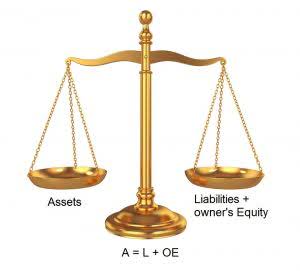
They’re recorded on the right side of the balance sheet and include loans, accounts payable, mortgages, deferred revenues, bonds, warranties, and accrued expenses. The notes accompanying financial statements often provide valuable details about liabilities, such as contingent liabilities or off-balance sheet items. For instance, companies may disclose obligations related to lease commitments or pending legal cases, which should be factored into the total calculation.
