

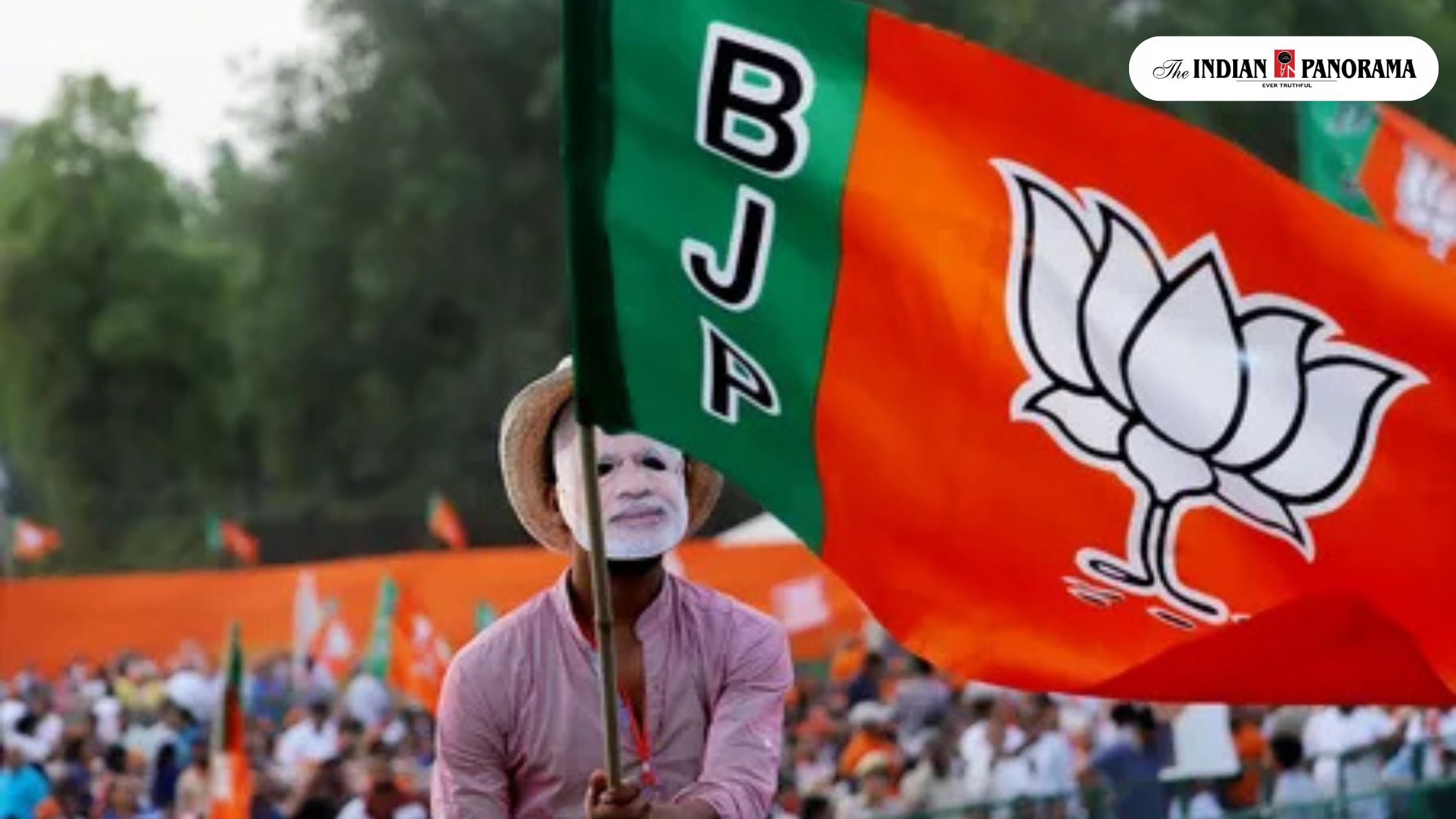
The Southern India political landscape has long been the BJP’s most stubborn electoral frontier. While the party has systematically consolidated dominance from Gujarat to Bihar and now into West Bengal, the states below the Vindhya range continue to tell a very different story. The April 2026 state elections made that story sharper still.
In Kerala, the Congress-led United Democratic Front swept the ruling Left Democratic Front out of power, but the BJP failed once again to break through in meaningful numbers. In Tamil Nadu, the emergence of actor-politician Vijay’s Tamilaga Vettri Kazhagam delivered a political earthquake, relegating the DMK to second place and the BJP-AIADMK alliance to a distant supporting role. The BJP has never governed either state. Despite a BJP vote share jump of around 8 percentage points in Tamil Nadu in the 2024 general election, the party still could not convert reach into seats when it mattered most.
Is the Dravidian Model Still the Real Barrier?
The Dravidian political framework is not just an electoral tradition; it is a complete ideological architecture. Tamil Nadu’s DMK and AIADMK have historically operated on a platform of social justice, self-respect, and fierce linguistic pride, with Tamil identity at its core. The Indian Panorama’s coverage of Tamil politics consistently shows how deeply language and cultural sovereignty anchor voter loyalty in the state.
When the BJP launches campaigns in Tamil Nadu, the very characteristics that make it successful in Hindi-belt states, centralized cultural messaging, cow-belt symbolism, and Hindutva rhetoric, read as alien interference to many Tamil voters. The BJP’s 2024 pre-poll alliance with the AIADMK was a tactical acknowledgment of this reality, yet even combined, the alliance could not dent the DMK-Congress bloc at the national level.
What Made Karnataka Different in 2023?
Karnataka remains the only southern state where the BJP has held government, and even there it lost power to the Congress in the May 2023 assembly polls. The Karnataka electoral shift is instructive: the BJP won 224 of 224 Lok Sabha seats across its stronghold districts in 2019 but struggled to hold the Lingayat-dominant coalition together by 2023. Internal caste arithmetic, specifically the Lingayat-Vokkaliga divide and competition from the Janata Dal (Secular), fragmented its coalition.
The Karnataka lesson is that the BJP can build a southern bridgehead when it works through dominant regional caste networks. But sustaining that alliance requires a level of decentralized, state-specific dealmaking that sits uncomfortably with the party’s centralizing instincts.
Why Kerala and Andhra Are Structurally Different Problems
Kerala presents a different challenge. The state has never returned a BJP government and has alternated between the LDF and UDF in a near-perfect rhythm for five decades. The BJP’s sole 2024 Lok Sabha win in Thrissur, through actor Suresh Gopi, was historic but also symbolic: one seat against 19 for Congress and its allies. The Kerala Christian community, which accounts for roughly 18% of the state’s population, is institutionally aligned with the UDF. The Muslim community, around 27%, largely aligns with the IUML within the UDF umbrella. The BJP’s core vote comes from a small urban upper-caste base and pockets of OBC mobilization, insufficient to contest seriously for government.
Andhra Pradesh is a different case. The BJP has no independent base there and functions almost entirely as a coalition rider. Its three seats in the 2024 general election came directly from the TDP alliance. When TDP is strong, the BJP gets seats. When it is not, the BJP disappears.
Is There a Credible Southern Roadmap?
For the BJP structural roadblocks in the south to ease, three things would need to happen concurrently. First, the party would need to develop genuinely state-rooted leadership in each southern state, figures who can negotiate local caste dynamics rather than being parachuted in. Second, it would need to moderate the cultural messaging in states where Hindutva framing triggers defensive identity politics rather than consolidation. Third, the party needs to build a sustainable OBC outreach program that does not depend on alliance partners to provide that vote bank.
None of these are impossible, but none are quick fixes either. The 2026 Tamil Nadu result, where even the collapse of the DMK did not translate into BJP gains, suggests the party is still not the default beneficiary of anti-incumbency in southern states. A new force, the TVK, absorbed that energy instead. Visit The Indian Panorama for ongoing coverage of how this dynamic evolves.
The Bigger Picture
The Vindhyan ceiling is not purely ideological. It is structural. The BJP’s northern success was built on a combination of caste arithmetic, welfare delivery, and cultural consolidation that took two decades to assemble. In the south, each state has its own arithmetic, and the cultural variables work in the opposite direction. The party’s planners know this. The question is whether the decentralized, patient strategy required can coexist with the national-level centralization that has defined the party’s rise.
The 2029 general election will be a partial answer. If the BJP wins West Bengal decisively and expands into Odisha while the southern numbers stagnate, the Vindhyan ceiling will have hardened into a structural feature of Indian federalism. Connect with the editorial team at The Indian Panorama for detailed regional analysis as these trends develop.

