Many homeowners assume that clear-looking tap water is automatically free from unwanted substances. In reality, water quality concerns often go unnoticed because contaminants, chlorine, sediment, and dissolved impurities are not always visible. Over the years, water treatment professionals have observed a growing number of households looking for effective ways to improve drinking water quality without installing large, whole-home treatment systems.
This is where water filters under sink systems have become increasingly popular. Positioned discreetly beneath the kitchen sink, these systems provide targeted filtration for drinking and cooking water while remaining out of sight. For households seeking a balance between convenience, performance, and space efficiency, under-counter filtration often serves as a practical and reliable solution.
However, choosing the right system requires understanding how these units work, what they can realistically achieve, and where their limitations exist.
Why Water Quality Concerns Extend Beyond Appearance
One of the most common misconceptions encountered in the water treatment industry is the belief that water quality can be judged by sight alone.
In practice, many water-related concerns are invisible. Chlorine, dissolved minerals, certain contaminants, and unwanted tastes or odors may not affect water’s appearance but can influence how it smells, tastes, or performs in daily use.
Homeowners frequently report concerns such as:
- Unpleasant chlorine taste
- Strange odors from tap water
- Sediment accumulation
- Concerns about aging plumbing systems
- Desire for better-quality drinking water
- Reduced confidence in untreated tap water
These concerns often lead families to explore filtration options that focus specifically on the water used for consumption.
How Water Filters Under Sink Systems Work
Unlike countertop units or pitcher filters, water filters under sink systems are installed directly beneath the kitchen sink and connected to the cold-water supply line.
The exact treatment process depends on the type of filtration technology being used. Common configurations may include:
Activated Carbon Filtration
Activated carbon is widely used to reduce chlorine, improve taste, and minimize certain odors. It remains one of the most common filtration methods for residential drinking water applications.
Sediment Filtration
Sediment cartridges help capture dirt, rust particles, and other suspended materials that may enter household water supplies.
Multi-Stage Filtration
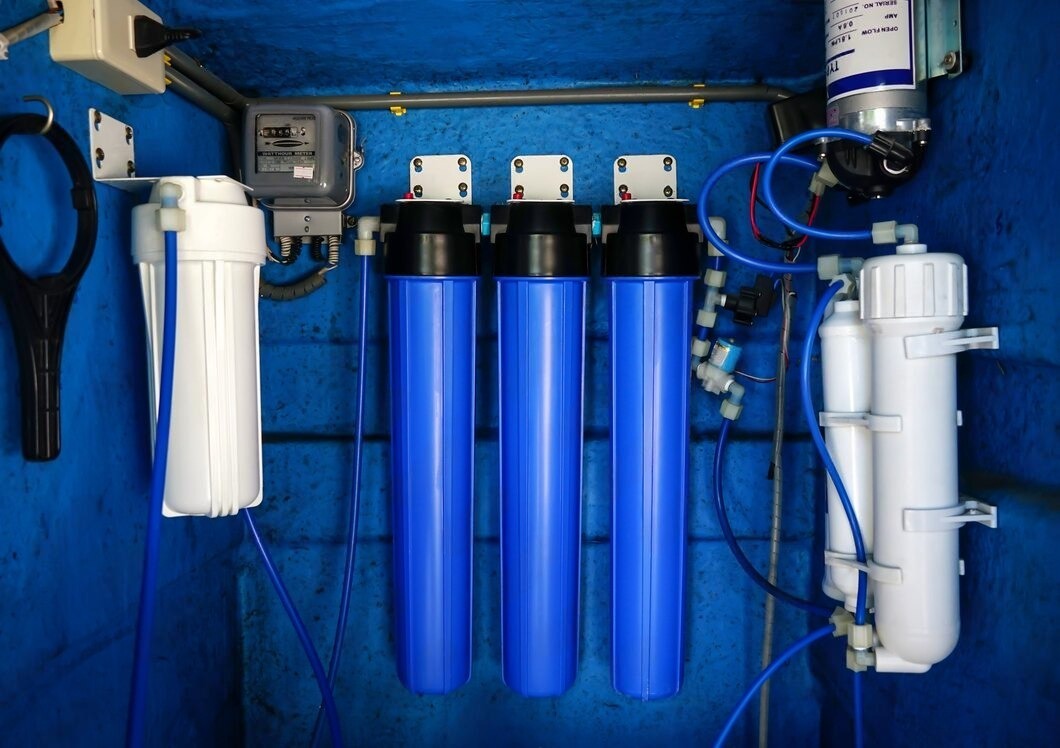
Many modern systems combine several treatment stages to address multiple water quality concerns simultaneously.
Reverse Osmosis Technology
Some under-sink installations incorporate reverse osmosis membranes that can reduce a broader range of dissolved substances. These systems are often selected when homeowners require more comprehensive purification than standard filtration can provide.
Each technology serves a different purpose, making proper system selection an important step.
Real-World Experience: What Homeowners Often Notice After Installation
Water treatment professionals frequently observe that homeowners focus initially on water safety concerns but often notice practical benefits first.
Many report improvements in drinking water taste, especially when chlorine levels previously affected flavor. Coffee, tea, soups, and other beverages prepared with filtered water may also have a cleaner taste profile.
In households where bottled water purchases were common, some families find themselves relying less on packaged drinking water after installing a properly sized filtration system.
However, experienced professionals emphasize that results depend heavily on the quality of the incoming water and the treatment technology selected. No filtration system performs identically under every condition.
Common Mistakes When Choosing a Filtration System
Years of industry experience reveal several recurring mistakes homeowners make when purchasing water treatment equipment.
Choosing Based Solely on Price
Lower-cost systems may appear attractive initially, but filtration performance, cartridge lifespan, and maintenance requirements should also be evaluated.
Skipping Water Testing
One of the most common errors involves selecting equipment before understanding the actual water conditions. Different contaminants require different treatment approaches.
Without testing, homeowners may purchase a system that addresses the wrong problem.
Assuming All Filters Perform the Same Function
A carbon filter and a reverse osmosis system are designed for different purposes. Understanding these differences helps prevent unrealistic expectations.
Ignoring Maintenance Requirements
Even high-quality systems require routine filter replacements and periodic servicing. Neglecting maintenance can reduce filtration effectiveness over time.
Key Factors to Consider Before Installation
Before investing in water filters under sink systems, homeowners should evaluate several important considerations.
Available Space
Although compact compared to many other treatment options, under-counter systems still require sufficient cabinet space.
Water Consumption Needs
Household size and daily water usage influence the type and capacity of equipment required.
Filtration Goals
Some homeowners prioritize taste improvement, while others focus on contaminant reduction. The chosen system should align with those specific objectives.
Long-Term Operating Costs
Replacement filters, service intervals, and maintenance expenses should be factored into the overall decision-making process.
Evaluating these factors helps homeowners select equipment that remains practical over the long term rather than simply meeting short-term expectations.
Understanding the Limitations of Under-Sink Filtration
Responsible guidance requires acknowledging that no water treatment technology is perfect.
While water filters under sink systems can significantly improve drinking water quality, they are not intended to solve every household water issue.
For example:
- They generally treat water at a single location rather than throughout the home.
- Hard water problems may require separate treatment equipment.
- Some specialized contaminants may require advanced filtration technologies.
- Performance depends on proper installation and maintenance.
Experienced water professionals prioritize transparency regarding these limitations because informed homeowners tend to achieve better outcomes.
Maintenance Practices That Support Long-Term Performance
Routine maintenance remains one of the most overlooked aspects of water treatment ownership.
In many service calls, filtration issues can be traced back to overdue cartridge replacements or neglected system inspections.
Best practices typically include:
- Following manufacturer replacement schedules
- Monitoring water flow rates
- Addressing leaks promptly
- Scheduling periodic inspections when necessary
- Replacing worn components before performance declines
Proper maintenance not only supports water quality but also helps extend equipment lifespan.
Why Homeowners Continue to Invest in Water Filters Under Sink Solutions
The continued popularity of water filters under sink systems is largely driven by practicality. They provide targeted treatment where drinking and cooking water is most often used while avoiding the complexity of larger whole-home installations.
For many households, this approach offers a reasonable balance between performance, convenience, and ongoing maintenance responsibilities.
As water quality awareness continues to grow, homeowners increasingly recognize the value of understanding what is actually coming from their taps and selecting treatment solutions based on documented needs rather than assumptions.
Soft Stream Water Solutions LTD: Supporting Informed Water Treatment Decisions
When evaluating water filters under sink systems, the most effective approach begins with understanding the home’s unique water conditions. Professional water testing, realistic expectations, and proper equipment selection are all essential parts of the process.
At Soft Stream Water Solutions LTD, the focus remains on helping homeowners understand their available treatment options and make informed decisions based on actual water quality concerns. Whether the goal is improving taste, reducing specific contaminants, or exploring advanced filtration technologies such as reverse osmosis, a well-informed approach often leads to better long-term results and greater confidence in household drinking water.
Frequently Asked Questions
1. How often should under-sink filters be replaced?
Most cartridges require replacement every 6 to 12 months, although the schedule varies based on water quality, usage, and manufacturer recommendations.
2. Do under-sink filtration systems remove chlorine?
Many systems that use activated carbon filtration are designed to reduce chlorine taste and odor from drinking water.
3. Are these systems difficult to maintain?
Routine maintenance is generally straightforward and primarily involves replacing filters according to the recommended schedule.
4. Can an under-sink system treat hard water?
Most standard filtration units do not address water hardness. Separate treatment equipment is typically required for hard water concerns.
5. Is reverse osmosis better than standard filtration?
It depends on the specific water quality issues being addressed. Reverse osmosis generally provides more comprehensive treatment, while standard filtration may be sufficient for taste, odor, and sediment concerns.