

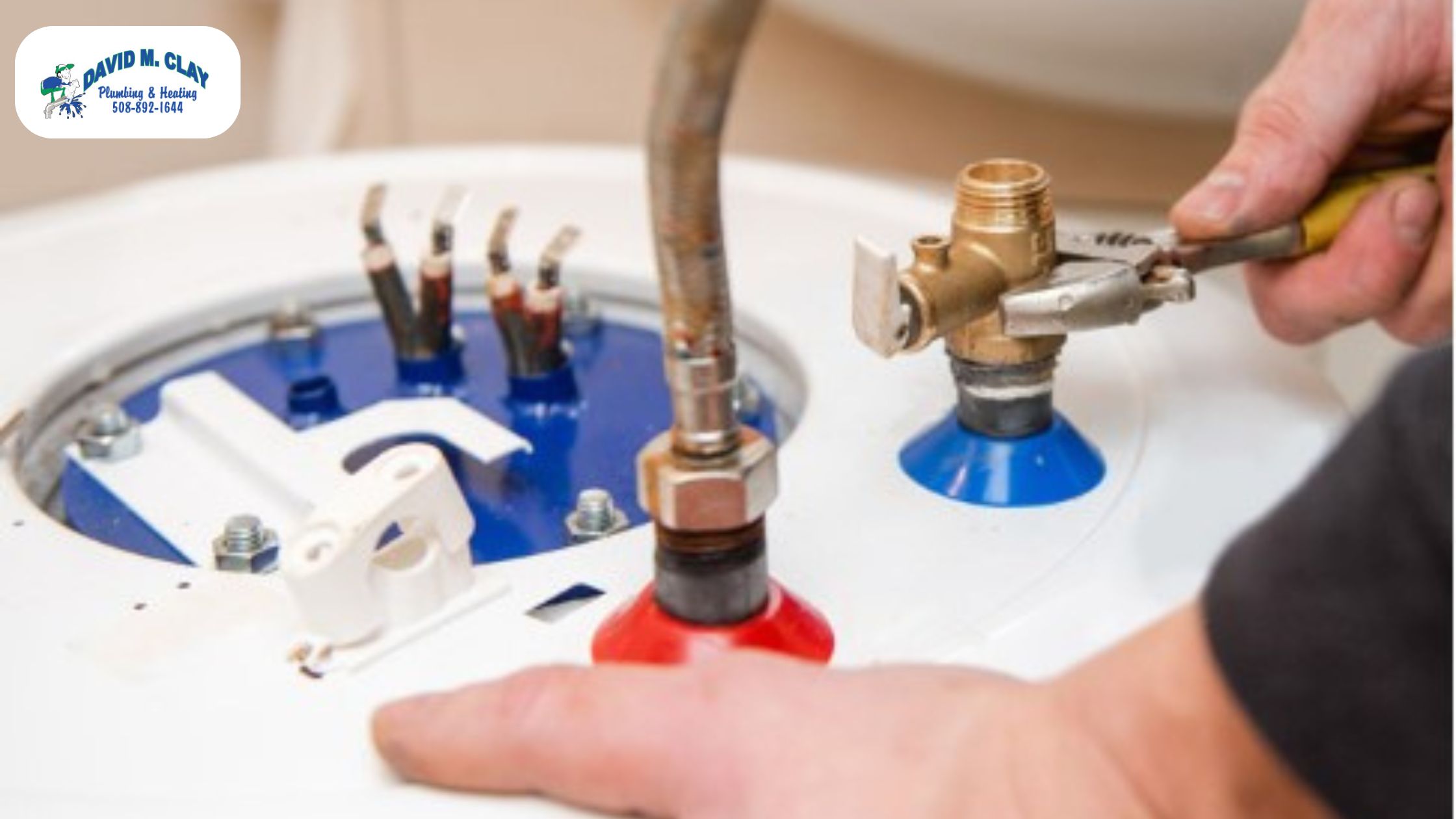
Orange streaks running down the side of a metal tank look like a countdown to a basement flood. Most homeowners feel a jolt of anxiety when they see that first flake of bubbling paint or a puddle of tea-colored water. Panic is rarely productive, but you should certainly treat rust as a high-priority warning signal that requires immediate investigation. Surface rust on the outer casing is often harmless, but rust in your hot water supply or on the tank seams usually means the internal glass lining has failed. Steel tanks eventually succumb to corrosion once the protective anode rod is spent and can no longer sacrifice itself to the water. A leaking, rusted tank cannot be patched or welded back together safely because the structural integrity of the pressurized vessel is gone. Searching for a water heater replacement near me in Worcester, MA, becomes necessary the moment those rust spots turn into active drips. Locating the source of the corrosion quickly determines if you are looking at a minor part swap or a full system upgrade.
Identify the Source of the Surface Rust
External rust often looks much worse than it actually is for the health of the system. Condensation from a humid basement can settle on the cold intake pipes and cause the outer jacket to oxidize over time. Small drips from a loose overhead pipe connection might also create orange streaks on the outside of the insulation. Wipe the area clean with a damp cloth and watch it closely for a few days to see if the moisture returns. Dampness around the top of the tank usually points to a failing nipple or a loose fitting rather than a dead heater. You can often scrape away surface scale and apply a bit of touch-up paint to prevent further spreading if the metal underneath is still thick. Proactive maintenance at this stage keeps a small aesthetic issue from becoming a structural problem later.
Discolored Water and Internal Tank Corrosion
Brown or orange water coming out of your bathtub faucet is a much more serious symptom. This discoloration suggests that the internal steel walls of your tank are actively flaking off into your hot water supply. Fill a clear glass with hot water and let it sit for a few minutes to see if the sediment settles at the bottom. Repeat the test with cold water to ensure the problem isn’t coming from the city’s main water lines or old galvanized house pipes. If only the hot water is rusty, your tank is essentially dissolving from the inside out. There is no reliable water heater repair for a tank that has reached this level of internal decay. The metal has become thin, and a high-pressure surge could cause the entire bottom to drop out at any moment.
The Role of the Anode Rod
Every tank-style heater contains a long magnesium or aluminum rod designed to be eaten away by corrosive elements. This component attracts the minerals and electrical currents that would otherwise attack the steel tank walls. Rust starts to form on the tank itself only after this rod has completely dissolved and disappeared. Most homeowners never check this part, even though it should be replaced every three to five years depending on local water hardness. Checking the rod annually can double or even triple the lifespan of your appliance. A rod that looks like a thin, chewed-up wire is a sign that your tank is currently unprotected and vulnerable to rust. Replacing it for a few dollars is a lot cheaper than buying a whole new heater.
Why You Can’t Simply Patch a Leaking Tank
Pressure is the reason why a “quick fix” won’t work on a rusted-out water heater. A standard residential tank holds water at pressures between 40 and 80 pounds per square inch. This constant force pushes against the thinned, rusted metal with thousands of pounds of total weight. Any patch or epoxy you apply to the outside will eventually be blown off by the internal pressure. Furthermore, rust is like an iceberg; the small hole you see on the outside is usually surrounded by a large area of paper-thin metal on the inside. Attempting to weld or seal these spots is dangerous and usually against local building codes. Safety must come first when you are dealing with a pressurized vessel that can reach temperatures over 120 degrees.
Preventative Steps to Keep Rust Away
Flushing your tank once a year is the best way to keep the bottom from rotting out. Heavy sediment like sand and lime settles at the base of the heater and creates a layer that traps heat and moisture against the steel. This buildup causes the metal to overheat and eventually crack or corrode. Attaching a garden hose to the drain valve at the bottom allows you to wash away this abrasive sludge. You should also consider installing a water softener if your home has high mineral content. Soft water is much less aggressive toward the protective lining of the tank. These simple habits keep the interior of your heater smooth and rust-free for its entire intended lifespan.
- Annual flush: Drain a few gallons into a bucket until the water runs clear.
- Temperature check: Keep the setting at 120 degrees to reduce scale buildup.
- Expansion tank: Ensure your system has a functioning expansion tank to absorb pressure spikes.
Work with Professionals
Seeing rust on your heating unit is a signal to stop and evaluate the age and performance of your system. Small spots on the exterior might be manageable, but internal corrosion is a clear sign that the end is near. Taking action before the tank bursts saves you from the massive cleanup and restoration costs of a flooded home. Clay Plumbing & Heating provides the expertise needed to determine if your unit is still safe to operate. They offer thorough inspections and can pinpoint whether the rust is a surface issue or a sign of total failure. Finding a reliable water heater replacement near me in Worcester, MA, ensures you get a new, efficient model that meets the demands of your household. Clay Plumbing & Heating manages every step of the process to provide peace of mind and consistent hot water. Addressing the rust today prevents a cold shower and a wet basement tomorrow.
