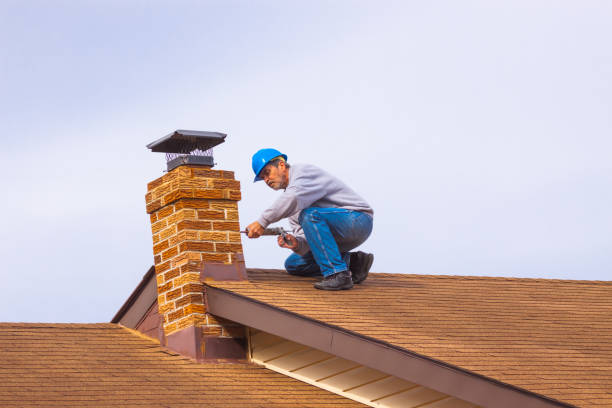
Rain and humid weather can make a fireplace smell like wet ash, old smoke, or even a swamp. It’s frustrating because your chimney may seem “fine” on dry days. However, moisture changes everything. It wakes up creosote smells, soaks dusty brick, and pushes damp air down into your room. As a result, one rainy weekend can stink up the whole living space. The good news is you can stop most odors with a few smart checks and simple habits. If you’re considering chimney services in Langford BC, this blog will help you understand what’s happening and what to do next.
Chimney Services in Langford BC: Why Rain Makes Smells Worse
When it rains, your chimney becomes a sponge and a tunnel at the same time. Moist air can mix with leftover soot and creosote, creating a stronger “smoke” smell. Also, humid air is heavier, so it can slide down the flue rather than rise out. Therefore, you may notice odors most in the morning or right after a storm. If your cap is missing or damaged, rain can enter more easily. Even with a cap, wind can force damp air downward. That’s why rainy days often bring the worst chimney odors.
Check for Easy Water Paths First
Start with the simple stuff, because small leaks can cause big smells. Look for water stains on the wall near the fireplace, damp ash, or rust on the damper. If you’ve ever opened the firebox after rain and smelled a sour, wet-campfire odor, that’s a clue that moisture is getting in. One homeowner example: after a week of drizzle, they found the damper edge was rusty, and the ash felt clumpy—both signs of damp air and water exposure. If you decide to book chimney services in Langford BC, ask them to check the cap, crown, flashing, and any cracks.
- Inspect the chimney cap for gaps, dents, or missing screen
- Check the crown for cracks where water can seep inside
- Look at the flashing (metal seal) where the chimney meets the roof
- Notice any dripping sounds or damp smells right after rain
Dampers, Drafts, and the “Backflow” Problem
A damper is like a lid. When it doesn’t seal well, outside air sneaks in. During humid weather, that air can carry smoky odors right into your living room. In fact, negative pressure in your home (from fans or tight windows) can pull air down the chimney. So, if you run the bathroom fans a lot, you might smell the chimney more. If you’re searching for a fireplace installation service near me, choose a team that checks draft and sealing, not just the firebox. A tight damper and proper draft reduce backflow and keep smells from drifting inside.
Clean vs. Mask: What Actually Removes Odors
Sprays and candles can cover smells, but they don’t remove the source. The real problem is usually creosote, damp soot, or wet masonry. Because moisture “activates” those leftovers, the odor gets stronger on rainy days. If the chimney hasn’t been cleaned in a while, cleaning helps a lot. Still, cleaning alone may not work if rain keeps entering. Also, wet ash can stink for days, so remove old ash safely once it’s fully cold. If you’re also comparing home comfort help like air conditioning services near me, remember that humidity control inside the home can lower chimney odors, too.
- Remove cold ash into a metal container with a lid
- Keep the damper closed when the fireplace is not in use
- Run a dehumidifier in damp seasons to reduce indoor moisture
| Natural Habit | What It Prevents | How Often |
|---|---|---|
| Close the damper fully | Damp air backflow | Daily |
| Use a dehumidifier | Musty humidity buildup | During wet weeks |
| Check the cap after storms | Direct rain entry | Monthly |
| Empty cold ash | Sour, wet-ash odor | After each use |
Dry Out the Firebox the Safe Way
After rain, your firebox and flue may need help drying out. However, don’t rush into a roaring fire if things feel wet. Start small. A short, gentle fire can warm the flue and push damp air upward. Also, open a nearby window and crack for a few minutes, so the fire gets air and drafts the right direction. If you don’t want to light a fire, placing a moisture absorber nearby can help. This is also a great time to check your wood storage—wet wood adds more smoke smell and moisture to the system.
When Smells Signal a Bigger Build-Up
If the odor is sharp, tar-like, or makes your eyes sting, creosote may be heavy in the flue. In that case, humidity can make the smell stronger, but the bigger issue is safety. Creosote can ignite, so it’s not just about odor. Another real-life moment: a homeowner noticed the smell got worse whenever it rained and later found thick, flaky creosote during a sweep. If you’re looking for a fireplace installation service near me, it’s smart to also ask how they handle inspections and cleaning, because odors and buildup often go hand in hand.
- Watch for strong “tar” smells, not just mild smoke
- Notice if odor appears even when the damper is closed
- Pay attention to black flakes or sticky residue in the firebox
Control Indoor Humidity So Odors Don’t Linger
Sometimes the chimney is only half the story. If your indoor air is already humid, chimney smells hang around longer. Therefore, reducing indoor moisture can make a big difference. Run exhaust fans during showers, fix any plumbing leaks, and keep airflow moving. If your home feels sticky or windows fog up, it may be time to improve cooling and ventilation. People often search for air conditioning services near me when they want better comfort, but it can also help control humidity levels. Lower humidity means fewer musty smells clinging to fabrics and furniture.
Ready for a Fresh-Smelling Fireplace Year-Round?
Rainy days shouldn’t make your home smell like old smoke. With a solid cap, a tight damper, a clean flue, and better humidity control, the air stays cleaner and more comfortable. If you want expert help that looks at the whole system—chimney, fireplace, and home airflow—reach out to Red Seal Fireplace, Chimney, and HVAC and get a practical plan that fits your home and your season.