

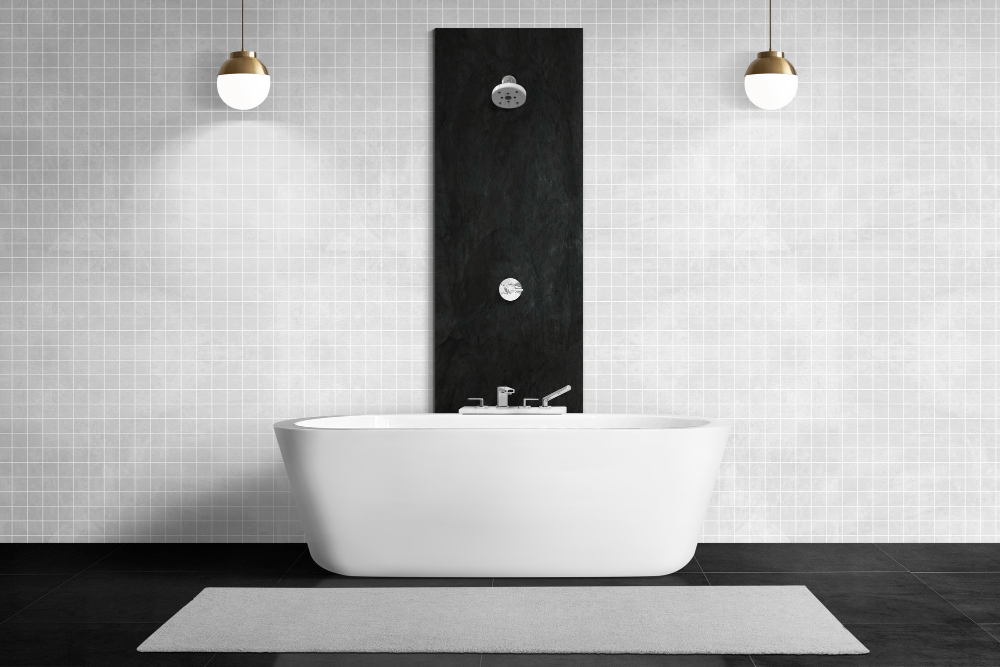
Large bathroom tiles are often chosen with the best intentions—homeowners want a seamless, modern finish that makes the space feel bigger and easier to maintain. Yet in practice, many projects run into avoidable issues: uneven subfloors, poor layout planning, awkward cuts around fixtures, or tiles that overwhelm a compact room. After years of working on residential refurbishments and new builds across different property types, one truth stands out: size alone does not guarantee sophistication. Execution determines everything.
In Ireland especially, where bathroom dimensions vary significantly between older housing stock and contemporary builds, tile selection requires careful consideration. Trends evolve quickly, and what looks impressive in a showroom may behave very differently once installed.
Why Bigger Tiles Change the Entire Installation Approach
From a technical standpoint, installing larger-format porcelain or ceramic units is a different discipline compared to standard 300x300mm pieces. The margin for error narrows. Even a slight dip in the subfloor or an imperfect wall surface becomes obvious once a 600x1200mm slab is placed.
Professionals typically insist on:
- Subfloor levelling before tiling
- Using the correct adhesive for weight support
- Back-buttering to ensure full coverage
- Proper expansion gaps to prevent cracking
Skipping these steps often leads to lippage (uneven edges between tiles), hollow spots, or long-term structural stress. These problems are not always visible immediately but become evident over time.
In the context of bathroom tiles Ireland suppliers provide, there is a noticeable shift toward rectified porcelain options. These offer sharper edges and minimal grout lines, but they also demand more precise alignment during installation.
The Visual Impact: Space Perception and Light Reflection
One of the strongest arguments for large bathroom tiles is the visual continuity they create. Fewer grout lines mean fewer visual breaks. In medium-sized rooms, this can genuinely enhance the sense of openness.
However, in very small bathrooms—particularly in older Irish homes—oversized pieces can have the opposite effect if not planned properly. If the layout results in multiple awkward cuts at the edges, the eye is drawn to imbalance rather than flow.
Experienced installers often recommend:
- Dry-laying tiles before final fixing
- Centre-aligning focal walls
- Avoiding small slivers along visible edges
The relationship between tile size and room proportion matters more than many realise. A 600x600mm format may be more suitable for a compact ensuite than a 1200x1200mm slab.
Practical Maintenance Considerations
Clients frequently assume that fewer grout lines automatically mean lower maintenance. That is partly true—but only if the grout used is appropriate for wet environments.
Epoxy grout, for example, resists staining better than traditional cement-based options, though it requires skilled application. Standard grout can discolour in high-moisture areas if ventilation is inadequate.
In Ireland’s climate, where humidity and condensation are common concerns, ventilation planning becomes just as important as tile selection. Extractor fans, underfloor heating, and proper sealing play significant roles in long-term durability.
Professionals working regularly with bathroom tiles Ireland homeowners choose often emphasise moisture management first, aesthetics second.
Common Mistakes Seen on Site
Years of site supervision reveal recurring patterns of avoidable mistakes:
1. Ignoring Structural Preparation
Large formats amplify imperfections. Walls must be flat, and floors level.
2. Choosing High-Gloss in Poorly Lit Rooms
While polished surfaces reflect light beautifully, they also show water spots and cleaning marks more prominently.
3. Overlooking Slip Ratings
Floor finishes must meet appropriate slip resistance standards, particularly in family bathrooms.
4. Inconsistent Grout Colour Selection
Contrasting grout can highlight alignment issues. Matching grout creates a calmer, unified look.
5. Underestimating Tile Weight
Large porcelain slabs are heavy. Improper handling during installation can lead to hairline cracks.
Avoiding these issues often costs less than repairing them later.
Layout Strategy: Experience Matters More Than Trends
Design magazines frequently showcase full-height tiled walls with dramatic stone effects. While visually striking, not every property benefits from wall-to-wall coverage.
In practical settings, professionals sometimes suggest:
- Feature wall installation instead of full-room coverage
- Combining large-format wall pieces with smaller anti-slip floor options
- Balancing colour temperature with bathroom lighting
Neutral stone-effect finishes remain popular in bathroom tiles Ireland collections, but the undertone (warm vs cool) should align with the rest of the home’s interior palette. Mismatched undertones can make even high-quality materials feel disjointed.
Installation Techniques That Improve Longevity
Proper installation techniques significantly extend lifespan:
- Using levelling clip systems for flatness
- Applying flexible adhesive for temperature fluctuations
- Sealing joints around sanitaryware carefully
- Allowing adequate curing time before grouting
Rushing the process is one of the most frequent professional frustrations. Adhesives require curing time, especially in cooler Irish conditions where drying can take longer.
Large bathroom tiles demand patience and precision. Cutting corners typically reveals itself within months.
Cost Considerations and Transparency
There is a misconception that larger formats are always more expensive. Material cost per square metre may indeed be higher, but labour costs can vary depending on complexity.
For example:
- Simple rectangular layouts reduce cutting time.
- Intricate rooms with multiple recesses increase labour significantly.
Transport and handling can also add to overall expense due to the weight and fragility of bigger slabs.
Responsible guidance means acknowledging that not every project benefits financially from large-format choices. In smaller bathrooms, mid-sized options may offer better value without compromising appearance.
Environmental and Practical Limitations
Sustainability is increasingly relevant. Porcelain manufacturing is energy-intensive, and waste from poorly planned cuts contributes to environmental impact.
Professional installers often recommend ordering 10% extra material for contingency—but not excessively more. Over-ordering increases waste and cost.
Another limitation involves future repairs. If a tile cracks years later, sourcing a matching batch can be challenging, particularly with imported bathroom tiles Ireland suppliers stock seasonally.
This is why keeping spare pieces stored safely is advisable.
Balancing Aesthetics and Function in Irish Homes
Irish housing varies widely—from compact city apartments to spacious rural builds. Climate, heating systems, and ventilation quality all influence tile performance.
Underfloor heating pairs exceptionally well with porcelain because of its thermal conductivity. However, expansion joints become essential in larger rooms to prevent stress fractures.
Waterproofing membranes beneath wet areas are equally important. Even the highest-quality large bathroom tiles cannot compensate for inadequate tanking systems.
Professionals who have worked across multiple renovation cycles understand that longevity depends on unseen preparation as much as visible design.
What Years on Site Ultimately Show
Well-chosen and correctly installed large bathroom tiles can elevate a bathroom significantly. They provide visual continuity, modern appeal, and practical durability when paired with proper preparation.
But size should never be the sole deciding factor. Room dimensions, lighting, structural condition, ventilation, and long-term maintenance must all be considered carefully.
Those sourcing bathroom tiles Ireland suppliers offer should prioritise technical suitability over trend-driven decisions. Seeking advice from experienced installers—rather than relying solely on showroom displays—reduces risk and improves outcomes.
A balanced approach leads to spaces that age gracefully rather than disappoint prematurely. Thoughtful planning consistently outperforms impulse design choices.
At Bathroom Outlet, experienced professionals understand that responsible guidance means discussing both advantages and limitations, ensuring homeowners make informed decisions that suit their space, lifestyle, and budget.
Quick Answers Before You Decide
1. Are large formats suitable for small bathrooms?
They can be, provided the layout avoids awkward cuts and proportions are carefully planned.
2. Do bigger tiles crack more easily?
Not inherently, but improper installation or uneven substrates increase risk.
3. Are they harder to maintain?
Maintenance is often easier due to fewer grout lines, but grout type and ventilation matter.
4. Do they cost more to install?
Labour can be higher due to precision handling and preparation requirements.
5. Are they slippery for floors?
Slip resistance depends on surface finish and rating, not size alone.
