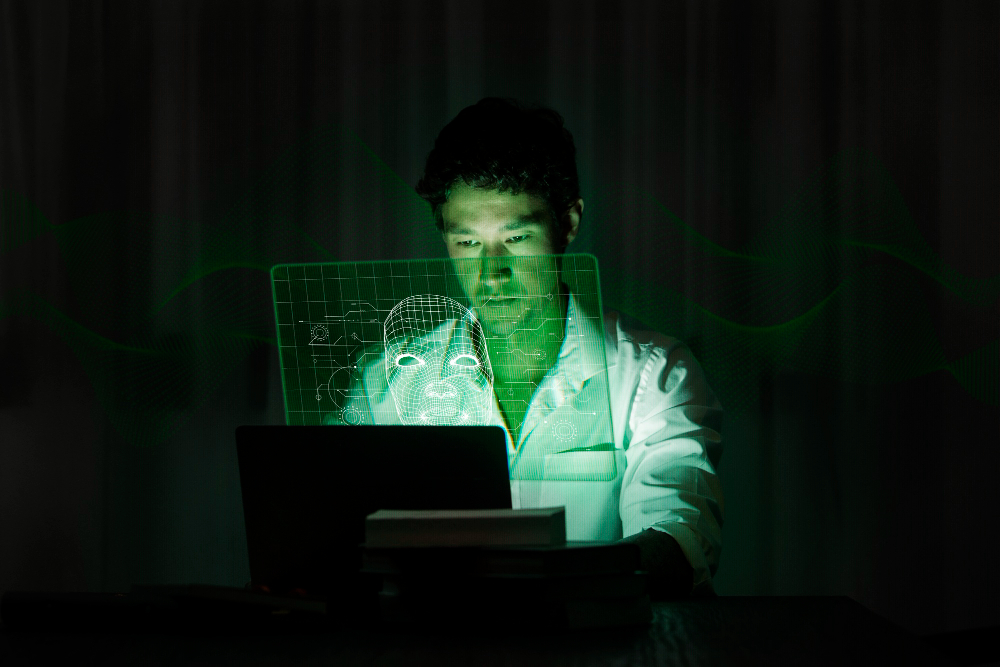
In today’s digital age, the volume and complexity of cybercrime, data breaches, and online fraud continue to grow at an alarming rate. Organizations and individuals alike face unprecedented challenges in safeguarding their information, detecting threats, and investigating incidents when they occur. This is where digital forensics and investigations play a crucial role, helping to uncover digital evidence, reconstruct events, and ensure accountability.
Yet, despite the critical importance of these services, many companies struggle to understand what digital forensics entails, how investigations are conducted, and why experience matters. Whether handling corporate data breaches, criminal cases, or internal policy violations, the stakes are high, and precision is paramount.
What is Digital Forensics and Why It Matters
Digital forensics is a branch of forensic science focused on identifying, preserving, analyzing, and presenting electronic evidence. Unlike traditional forensic methods, it deals with devices and data storage, such as computers, mobile phones, cloud servers, and IoT devices.
Experienced professionals often emphasize that the value of digital forensics lies not just in recovering deleted files or tracking unauthorized access, but in building a clear, legally defensible narrative of digital events. For instance, in corporate investigations, pinpointing exactly when an employee accessed sensitive files can determine liability and inform future cybersecurity measures.
A digital forensics specialist is trained to handle this intricate process, combining technical expertise with investigative skills. They are adept at navigating both the legal and technological complexities of modern digital environments.
Key Phases of a Digital Forensics Investigation
From practical experience, most investigations follow a structured methodology:
1. Identification
The first step involves determining which digital assets are relevant. This may include devices, servers, network logs, cloud storage, or even social media accounts. Proper identification ensures that investigators do not overlook critical evidence.
2. Preservation
Once evidence is identified, it must be preserved without alteration. Experienced specialists use write-blocking tools and secure storage methods to maintain the integrity of the data. A single mistake at this stage can render evidence inadmissible in court.
3. Collection
The actual extraction of data follows strict protocols. For example, recovering deleted files, encrypted messages, or hidden partitions requires technical proficiency and specialized software. Here, the guidance of a seasoned digital forensics specialist ensures that all actions are documented and repeatable.
4. Analysis
Analysis is the most intricate phase. Professionals reconstruct timelines, trace access points, and interpret logs to uncover patterns. It is not merely about finding files; it is about understanding the story the data tells. Real-world cases often involve piecing together fragmented data across multiple platforms.
5. Reporting
Finally, the findings must be communicated in a clear and defensible manner. Whether for corporate boards, legal teams, or law enforcement, reports must be precise, transparent, and understandable to non-technical stakeholders.
Real-World Applications
Digital forensics and investigations are applied across various contexts:
- Corporate Security: Investigating internal policy violations, detecting data leaks, or tracing financial fraud.
- Criminal Investigations: Recovering evidence related to cybercrime, identity theft, or illegal online activities.
- Litigation Support: Providing data-driven insights for civil disputes, intellectual property theft cases, or employment conflicts.
- Incident Response: Assisting in immediate response to security breaches to mitigate damage and prevent recurrence.
Experienced specialists note that no two investigations are identical. Practical expertise enables professionals to anticipate complications, identify relevant data sources, and adapt strategies in real time.
Common Mistakes and Pitfalls
While digital forensics is highly technical, several errors frequently occur in practice:
- Skipping Documentation: Failing to document every step can compromise evidence integrity and legal admissibility.
- Overlooking Cloud or Mobile Data: With distributed storage and remote work, critical evidence may exist outside traditional servers.
- Using Improper Tools: Unvetted software can alter or destroy crucial data. Experienced specialists rely on proven tools and protocols.
- Neglecting Legal Requirements: Investigators must navigate privacy laws, warrant requirements, and corporate policies. Missteps can nullify findings.
Understanding these pitfalls emphasizes why hiring a qualified digital forensics specialist is essential for any serious investigation.
Practical Advice for Organizations
For businesses looking to prepare for potential incidents:
- Develop an Incident Response Plan: Outline roles, procedures, and communication channels before a breach occurs.
- Secure and Monitor Systems Continuously: Early detection reduces damage and simplifies investigations.
- Document Policies and Access: Maintaining logs and access records streamlines the forensic process.
- Engage Specialists Early: Consulting with experienced investigators during or after an incident ensures accuracy and defensibility.
Incorporating these practices into daily operations reduces risk and enhances organizational resilience.
The Role of a Digital Forensics Specialist
The expertise of a digital forensics specialist cannot be overstated. These professionals combine technical proficiency with investigative judgment, legal awareness, and analytical skills. They are responsible for:
- Ensuring evidence is collected without tampering.
- Interpreting complex digital patterns to uncover relevant events.
- Advising legal teams and corporate management on findings.
- Recommending preventive measures for future incidents.
Their experience allows them to anticipate complications, avoid common errors, and produce actionable, reliable outcomes.
Conclusion
Digital forensics and investigations are critical for addressing the challenges of modern cybercrime and data breaches. By following methodical procedures, maintaining evidence integrity, and leveraging the skills of a digital forensics specialist, organizations and individuals can navigate incidents confidently and defensibly.
While technology evolves rapidly, the principles of thorough investigation, accurate documentation, and professional expertise remain constant. Investing in qualified specialists not only addresses immediate threats but also strengthens long-term security, legal compliance, and organizational trust.
FAQs: Digital Forensics and Investigations
1. What does a digital forensics specialist do?
They identify, preserve, analyze, and report digital evidence in corporate, criminal, or legal investigations.
2. How long does a digital forensics investigation take?
Investigation duration varies depending on data complexity, devices involved, and legal requirements. Simple cases may take days; complex incidents can span weeks.
3. Can digital evidence be altered during investigation?
Yes, mishandling data can alter evidence. Experienced specialists use write-blocking tools and strict protocols to prevent modification.
4. Are digital forensics findings admissible in court?
When collected and documented properly by certified specialists, digital evidence is generally admissible and legally defensible.
5. How do I choose the right digital forensics specialist?
Look for certified professionals with real-world experience, familiarity with relevant technology and laws, and strong client references.