

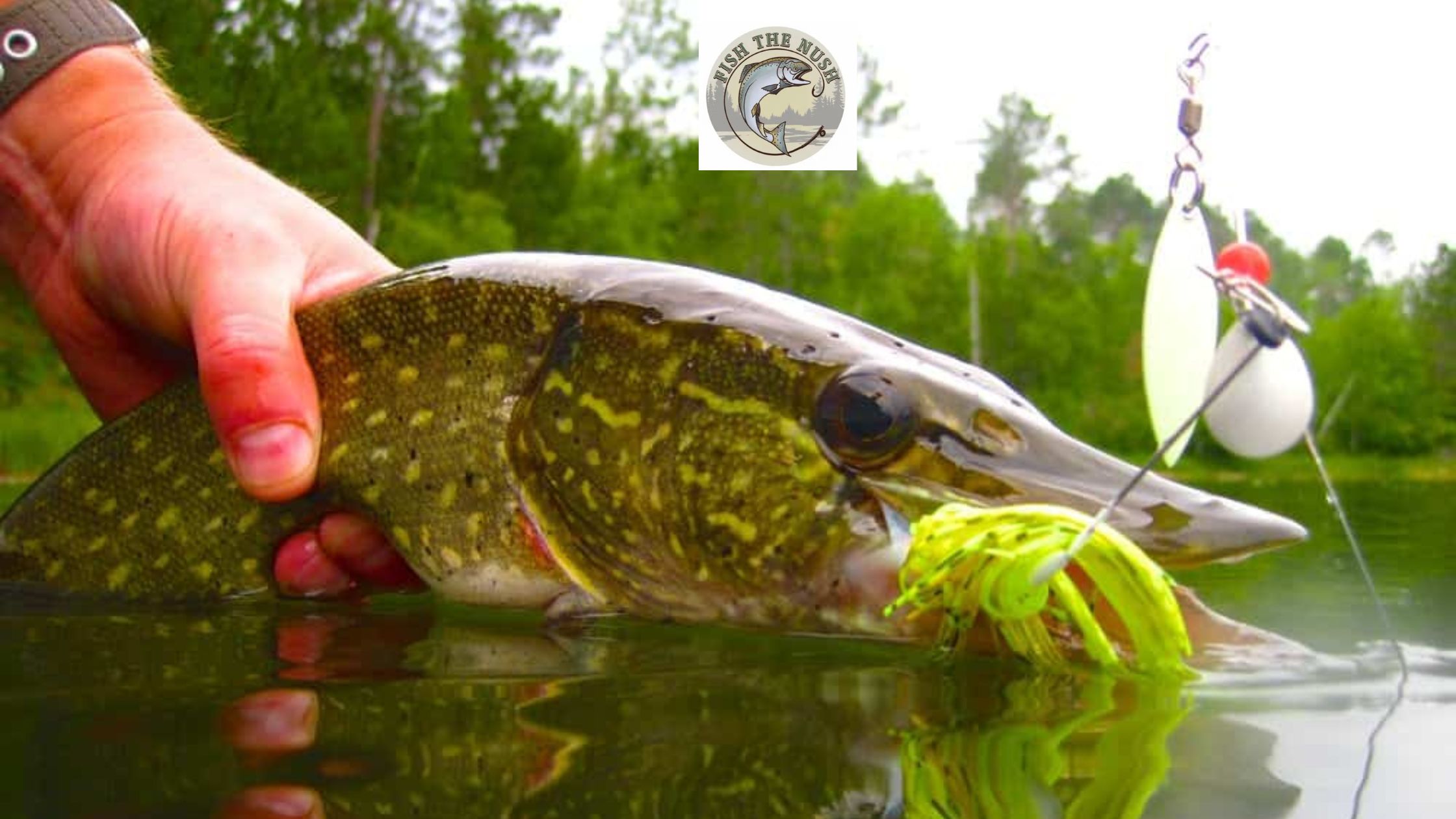
While the world knows the Nushagak River for its legendary salmon runs, experienced anglers often look to the quiet sloughs for a different kind of thrill. Northern Pike are the apex predators of Alaska’s freshwater systems. They are aggressive, territorial, and possess a strike that can startle even a veteran fisherman. At Fish The Nush, we see Pike fishing in Alaska as the perfect strategic pivot when you want a break from the heavy current of the main river. These “water wolves” thrive in the backwaters where the current slows down. If you are looking for an encounter that combines stealth with explosive power, understanding the nuances of the Northern Pike is your first priority.
Locating the Lair: The Geography of the Strike
Northern Pike are ambush predators. They do not roam the open, rushing water like salmon. Instead, they find cover in weed beds, submerged logs, and lily pads. On the Nushagak, we target the “off-channel” sloughs. These areas act as nurseries for smaller fish, providing a constant food source for large Pike. When you are on the water, look for the “edges.” A Pike will sit perfectly still at the edge of a weed line, waiting for anything to pass by. We focus our efforts on water that is three to seven feet deep. If the water is too shallow, it gets too warm. If it is too deep, the Pike lose their tactical advantage of concealment.
Tactical Gear: Choosing the Right Tools for the Fight
You cannot bring light trout gear to a Pike fight. These fish have over 700 razor-sharp teeth and a jaw pressure that can crush bone.
- The Rod: Use a seven-foot medium-heavy fast-action casting rod. You need the “backbone” to pull a 40-inch fish out of heavy weeds.
- The Line: We recommend 30-pound or 50-pound braided line. Braid has zero stretch, which helps with a solid hook set.
- The Leader: A steel or heavy fluorocarbon leader (40-pound test minimum) is mandatory. Without it, the Pike will slice your line in seconds.
- The Lures: Large inline spinners, topwater frogs, and “spoon” lures are the gold standard.
- Safety Gear: Always carry long-nose pliers and a jaw spreader. Protecting your fingers is just as important as protecting the fish.
Seasonal Shifts: Timing Your Trophy Encounter
The behavior of the Northern Pike changes as the Alaskan summer progresses. In early June, after they have finished spawning, they are incredibly hungry and aggressive. This is often the best time for sheer volume. As the salmon begin to enter the river in late June and July, the Pike often move deeper into the sloughs to avoid the chaos of the main channel. During this mid-summer period, Alaska pike fishing becomes a game of precision. You have to place your lure exactly in the pockets of open water within the lily pads. By August, as the water begins to cool slightly, the larger “gators” become active again, preparing for the long winter ahead.
Presentation Mastery: Making the Lure Move
How you move your lure is more important than the color of the lure itself. Pike react to vibration and sudden movements. We suggest using a “stop-and-go” retrieve. When you pull the lure and then let it sit for a second, it mimics a wounded baitfish. That pause is almost always when the strike happens. If you are using topwater lures, wait for the “blow-up.” Do not set the hook the moment you see the splash. Wait one second until you feel the weight of the fish, then pull back hard. Because Pike have very bony mouths, a weak hook set will result in a lost fish every time.
Ready to see what else the Nushagak has to offer?
At Fish The Nush, we celebrate the full spectrum of the Alaskan wilderness. While the salmon are the heartbeat of our river, the Northern Pike is its soul. We provide the expert guiding and specialized equipment needed to explore the hidden sloughs where these predators live. Whether you are a dedicated “Pike hunter” or a salmon angler looking for a change of pace, we ensure your time in the bush is productive and safe. Join us at our luxury lodge and discover why the quiet corners of the river offer some of the loudest thrills in Alaska.
