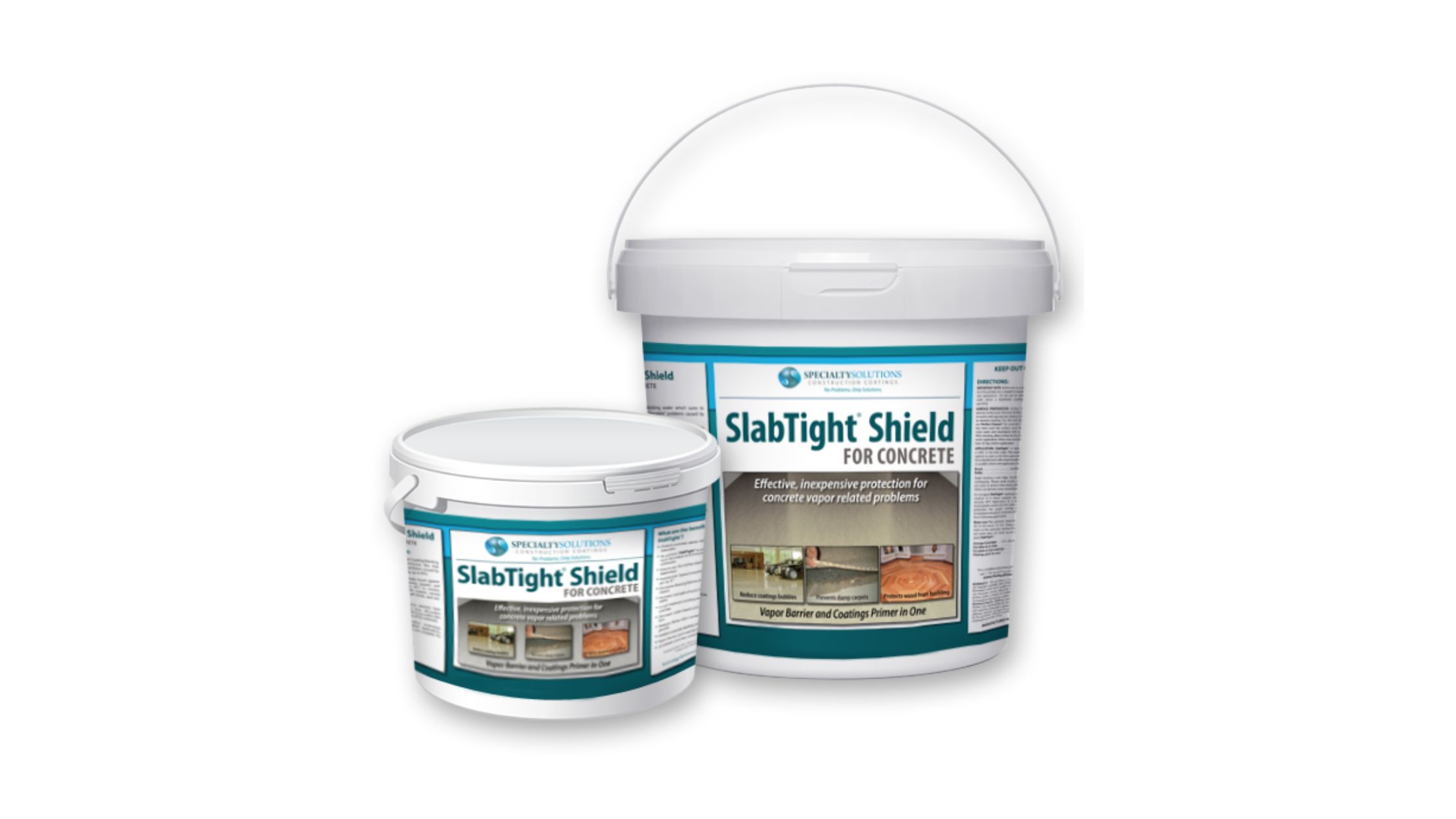
Water can hurt concrete even when the damage is hard to see. A concrete waterproof sealer gives stronger protection from water, while a regular sealer mainly helps protect the surface from dirt, stains, and daily wear. Both types can help concrete last longer, but they are made for different needs.
A regular sealer may work well in a garage, patio, or driveway with normal water exposure. A waterproof sealer can be a better choice for places that often get wet. Knowing the difference can help you choose the right product and avoid costly floor repairs later.
What Is a Regular Concrete Sealer?
A regular concrete sealer is a product that protects concrete from common everyday problems. It can form a thin layer on the surface or move into the small spaces inside the concrete.
This layer can help keep dirt, oil, and stains from soaking deep into the concrete. It can also make the surface easier to clean. Regular sealers are often used on driveways, patios, garage floors, walkways, and other areas. They can help protect concrete from normal use and weather.
What Is a Waterproof Sealer?
A waterproof sealer is made to give concrete stronger protection from water. Depending on the product, it can help stop or slow water from moving into the tiny spaces inside concrete. This type of product may be useful in places that often get wet.
Examples include basements, outside walls, patios, foundations, and other areas that face rain or damp conditions. But a waterproof sealer cannot fix every water problem. If water is coming through a large crack, broken pipe, or serious drainage problem, more work may be needed.
Concrete Waterproof Sealer vs. Regular Sealer
The main difference is the amount of water protection each product is made to provide.
| Feature | Regular Concrete Sealer | Waterproof Sealer |
|---|---|---|
| Main purpose | Protects the surface | Gives stronger water protection |
| Water resistance | Low to medium, depending on product | Usually higher |
| Stain protection | Good | Good |
| Heavy moisture | May not be suitable | More suitable |
| Common uses | Garages, patios, driveways | Basements, foundations, wet areas |
| Main benefit | Easier cleaning and surface care | Better protection from water |
| Best choice depends on | How the concrete is used | How much water it faces |
No two sealers are exactly the same. Always check the product label to learn what the sealer can and cannot do.
When Should You Choose Each Type?
The right sealer depends on where the concrete is and what it needs to handle.
A regular sealer may be suitable when:
- The main goal is to protect against dirt and stains.
- The concrete has normal contact with rain.
- The area does not stay wet for long.
- You want the surface to be easier to clean.
A waterproof sealer may be better when:
- The concrete often gets wet.
- The area has high moisture.
- Water entering the concrete is a major concern.
- The surface needs stronger water protection.
Think about the place before choosing a product. A driveway, basement wall, and indoor floor may all need different types of protection.
What About Coated Concrete Floors?
Sealing and coating are not the same thing. A sealer mainly protects concrete. A coating can add color and create a thicker layer over the surface. For example, epoxy floor paint for concrete can give floors a strong and attractive finish. It is often used in garages, workshops, warehouses, and other busy areas.
Epoxy coatings can help protect floors from wear, stains, and some chemicals. They can also make a floor easier to clean. But epoxy paint is not a cure for every moisture problem. If water is moving through the concrete from below, the coating may not stick well. It could bubble, peel, or become damaged.
Does Surface Preparation Matter?
Yes, surface preparation is very important. Even a good sealer may not work well if the concrete is dirty, wet, or damaged. Before sealing, the surface may need to be cleaned. Dirt, oil, dust, loose pieces, and old coatings may need to be removed.
Cracks and holes should also be checked and repaired. Small damaged areas may be fixed with a suitable self-leveling concrete patch or another repair product. The right choice depends on the size and type of damage.
The Right Sealer Depends on the Problem
Choosing between a regular sealer and a waterproof sealer starts with understanding the problem.
If you mainly want to protect concrete from dirt, stains, and normal wear, a regular sealer may be enough. If the concrete often faces water or high moisture, a product made for stronger water protection may be a better choice.
Do not use a sealer as a quick fix for serious problems. Large cracks, leaks, poor drainage, and water coming through the foundation may need professional help.
Wrapping It Up
The main difference between regular and waterproof sealers is the level of protection they provide. Concrete seal waterproofing may help when moisture is a major concern, but the right product depends on the condition and location of the concrete.
Before choosing a sealer, look at how much water the surface faces and how the space is used. Check the product details and make sure it is made for your type of concrete. Proper cleaning and repair are also important.