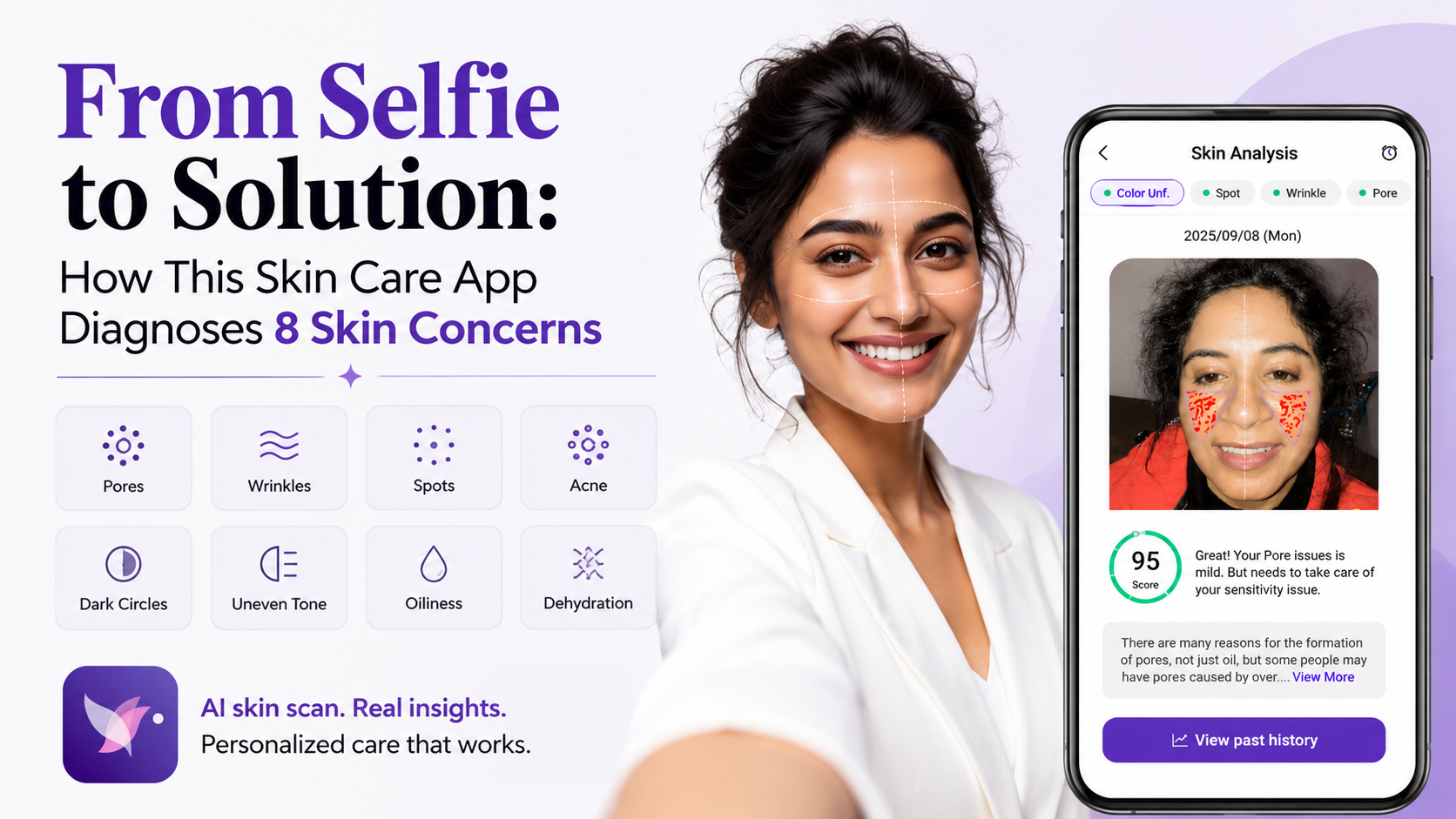
You have probably done it before. You walk into a store, pick up a serum because the packaging looked promising or a friend recommended it, and hope for the best. A few weeks later, nothing’s changed, or worse, your skin reacts badly. This cycle of guessing, buying, and hoping is exhausting, expensive, and honestly, it’s not your fault. Skincare has never been one-size-fits-all, yet most people shop as if it is.
This is exactly the gap a modern skin care app is designed to close. Instead of relying on trends, ads, or trial and error, apps like Skin Beauty Pal (SBP) use AI-powered analysis to look at your actual skin, identify what’s really going on beneath the surface, and turn that data into a routine built specifically for you. What used to require a dermatologist visit and weeks of waiting now takes about fifteen seconds and a selfie.
The Problem With How Most People Approach Skincare
Before understanding how the app works, it helps to understand why it exists. Most skincare decisions are made reactively. Someone notices a breakout, dark spot, or dry patch, then searches online or scrolls through social media until a product seems to match the description. There’s no real diagnosis involved, just pattern matching based on incomplete information.
This approach fails for a simple reason: skin concerns often look similar on the surface but come from entirely different causes. A dull complexion might stem from dehydration, poor exfoliation, or an early sign of sun damage. Treating the wrong cause means wasted money and, in some cases, worsened skin. A genuine diagnosis, not a guess, changes everything, and that’s precisely what an AI-driven skin care app aims to provide.
Step One: The Selfie That Starts It All
The entire process begins with something everyone already knows how to do: taking a selfie. Within the app, this isn’t a casual photo. It’s captured under guided conditions designed to give the AI a clear, consistent view of your skin, free from filters or inconsistent lighting that could distort the analysis.
This step takes roughly fifteen seconds, which matters because convenience determines whether people actually follow through with skincare tools. A diagnostic process that takes too long or feels complicated rarely gets completed, so keeping this step fast and simple isn’t just a design choice, it’s what makes the entire system usable in real life.
Step Two: AI Analysis Across Eight Skin Concerns
Once the selfie is captured, the app’s AI engine gets to work, scanning the image against eight distinct skin concerns. This is where the real value of a dedicated skin care app becomes clear, since it’s evaluating multiple factors simultaneously rather than focusing on just one visible issue.
While the exact concerns analyzed can vary slightly depending on the algorithm’s design, this type of AI skin scan typically evaluates factors such as:
- Hydration levels, identifying areas of dryness or dehydration beneath the surface
- Oil production and shine, mapping where excess sebum contributes to congestion
- Pore size and visibility, particularly around the T-zone
- Fine lines and early signs of aging, tracking texture changes over time
- Pigmentation and uneven tone, including sun spots and post-acne marks
- Redness and sensitivity indicators, flagging areas prone to irritation
- Texture and smoothness, detecting roughness or unevenness across the skin
- Acne and blemish activity, identifying active breakouts versus residual scarring
This multi-point analysis is what separates an AI skincare app from a generic skincare quiz. A quiz relies on how you perceive your own skin, which is often inaccurate since visible symptoms don’t always reflect the underlying cause. The AI scan, by contrast, works from actual visual data, reducing the guesswork significantly.
Step Three: Turning Data Into a Dermatologist-Backed Report
Once the analysis completes, the app compiles the findings into a Beauty Report, validated with dermatologist input, in SBP’s case, supported by a senior Taiwan-based dermatologist. This adds a layer of credibility that separates the app from purely algorithmic tools with no clinical oversight behind them.
This report doesn’t just list problems; it explains what’s happening on your skin in plain language, helping you actually understand your skin rather than just receiving a list of product recommendations. This educational piece matters because understanding your skin’s needs makes you far more likely to stick with a routine long-term, rather than abandoning it after a few weeks when results aren’t instant.
Step Four: Personalized Recommendations, Not Generic Advice
With a clear diagnosis in hand, the app moves into its most practical phase: turning data into a personalized skincare routine. Rather than suggesting an entire product line regardless of your specific concerns, recommendations are matched to the exact issues flagged during your scan.
This is the core problem a skincare app solves. If your scan reveals dehydration and early pigmentation but no significant oil concerns, you shouldn’t be steered toward a heavy, oil-controlling routine. Personalization means your routine addresses your actual skin, not an average customer profile that may not resemble your skin at all.
Beyond Diagnosis: Ongoing Support Built Into the App
A one-time scan is useful, but skin changes with seasons, stress, hormones, and age, which is why a genuinely helpful skin care app extends beyond a single diagnosis. SBP builds in several ongoing features that support ongoing skin health:
Hydration reminders nudge you throughout the day, since dehydration is one of the most common yet overlooked contributors to dull, tired-looking skin.
Real-time UV and weather tracking helps you adjust sun protection based on actual conditions, rather than guessing whether today calls for extra SPF.
Remote dermatologist consultation bridges the gap between an AI scan and professional medical advice, useful for concerns that go beyond what a routine can address.
Appointment booking with real dermatologists gives users a direct next step when a concern needs in-person evaluation, rather than leaving them stuck after receiving a report.
Together, these features shift the app from a one-time diagnostic tool into a genuine long-term skincare companion.
Why Dermatologist Validation Matters
A common concern with AI-based health and beauty tools is accuracy. Anyone can build an algorithm that spits out recommendations, but without clinical validation, there’s no guarantee those recommendations are grounded in real dermatological understanding. Pers Active Lab addresses this by having its AI analysis and reporting reviewed and supported by practicing dermatologists, adding a layer of trust that purely automated tools often lack.
This is also reflected in the endorsements from multiple dermatologists and skin clinics who use the tool in their own practice, citing its usefulness for patient retention and simplifying how they identify skin concerns during consultations. When medical professionals trust a diagnostic tool enough to use it themselves, that’s a meaningful signal for everyday users considering the same technology.
Who Should Use an AI Skin Care App?
While anyone dealing with skincare uncertainty can benefit, this type of app is particularly useful for a few groups:
- First-time skincare users who don’t know where to start and want a clear, guided entry point instead of overwhelming product options
- People who’ve tried multiple products without results, since a proper diagnosis often reveals they were addressing the wrong concern entirely
- Those managing multiple skin issues at once, where identifying priority concerns matters more than treating everything simultaneously
- Anyone wanting measurable progress, since repeat scans over time show whether a routine is actually working, rather than relying on memory or assumption
Final Thoughts
Skincare doesn’t have to be a guessing game, and it shouldn’t be. A well-built skincare app replaces assumption with actual data, turning a simple selfie into a dermatologist-backed diagnosis across eight distinct skin concerns. From there, it builds a routine designed around your specific skin, not a generic profile, while continuing to support you with reminders, UV tracking, and access to real dermatologists when needed. For anyone tired of buying products that don’t work, starting with an accurate diagnosis, not another guess, is the single most effective change you can make to your routine.
FAQ Section
AI skin care apps offer a strong starting point for identifying visible skin concerns and are often validated by practicing dermatologists, but they work best as a complement to, not a full replacement for, professional in-person evaluation for serious or persistent concerns.
A comprehensive AI skin scan typically evaluates hydration, oil production, pore visibility, fine lines, pigmentation, redness, texture, and acne activity, giving a broad picture of overall skin health rather than a single isolated issue.
Most AI skin care apps guide you through the selfie process with on-screen instructions to ensure consistent lighting and positioning, since accurate analysis depends heavily on capturing a clear, unfiltered image of your skin.
Rescanning every four to six weeks is generally useful, since this timeframe allows enough change to occur to meaningfully track whether your current routine is improving your identified skin concerns.
Reputable skin care apps handle uploaded images and analysis data with privacy safeguards, though it’s always worth reviewing the specific app’s privacy policy to understand how your data is stored and used.
Not necessarily. The app is designed to guide you toward products and routines suited to your diagnosed concerns, which may mean adjusting your current routine rather than replacing it entirely, depending on how well it currently aligns with your actual skin needs.